There is a particular stillness that settles over the finest wine estates—a quiet assurance that needs no grand gesture, no spectacle. Premium wineries do not simply make wine; they orchestrate time, terroir, and tradition into experiences that feel almost private, even when shared. For the devoted enthusiast, understanding what truly sets these estates apart turns a pleasant visit into a deeply resonant encounter.
Below, we explore five exclusive, often-unspoken insights that define the upper tier of the wine world—and how to recognize them when you step onto an estate’s gravel drive.
The Signature of Restraint: When Luxury Is Whispered, Not Announced
At authentic premium wineries, luxury is rarely displayed; it is implied.
The architecture tends to be refined rather than ostentatious, with clean lines, natural materials, and a sense of proportion that privileges light, view, and silence. You’ll notice a considered absence of clutter—no oversized logos, no aggressive merchandising at every turn. The tasting rooms favor tactile details: linen rather than polyester, polished wood instead of plastic, stemware that feels impossibly balanced in the hand.
This restraint is intentional. It telegraphs confidence in the wine itself. Premium estates understand that their guests are not seeking spectacle but substance, and that the most memorable aspect of a visit should be the way a particular vintage lingers in the mind days later—not the selfie backdrop in the courtyard. Watch for that quiet design language; it is one of the most reliable early signals that you are in the presence of a truly serious winery.
Time as a Luxury Ingredient: Cellars, Patience, and Release Philosophy
In the premium sphere, time is treated as both an ingredient and a responsibility.
Top estates are rarely in a rush to release their wines. Instead, they pursue a philosophy of “bottle readiness,” holding vintages back until structure, aromatics, and texture have begun to harmonize. This is especially evident in regions like Bordeaux, Barolo, and high-end Napa, where cellaring decisions can dramatically influence how a wine presents on release and decades later.
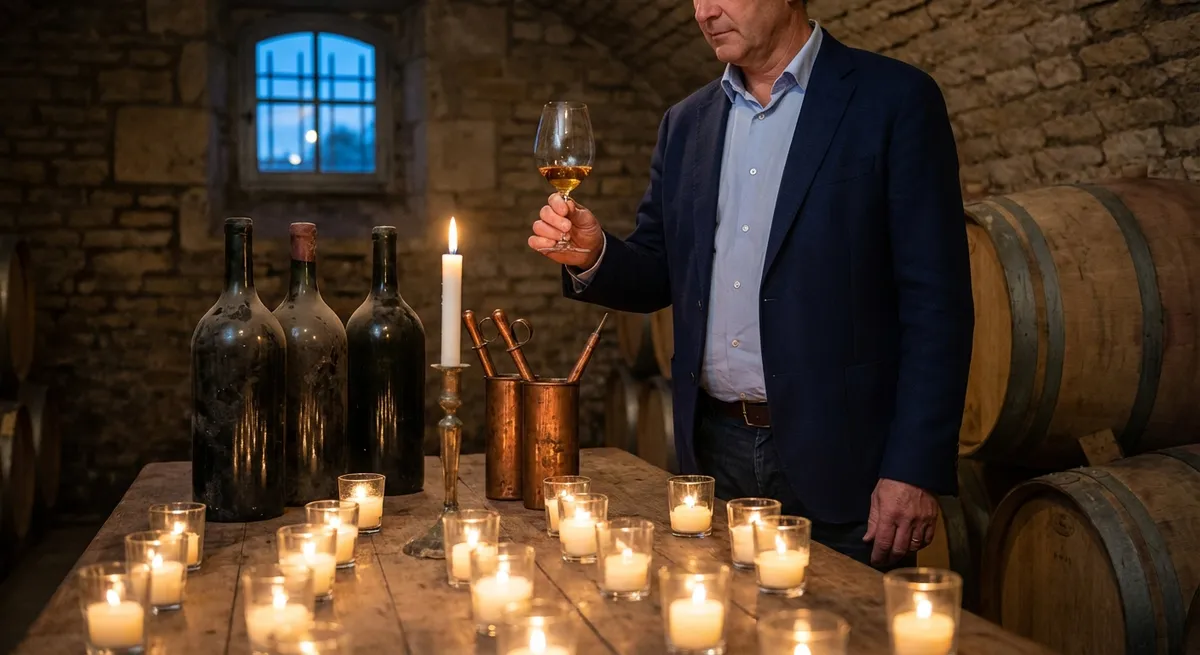
During a visit, pay attention to how the winery speaks about aging. Do they discuss their barrel and bottle maturation with specificity—barrel types, coopers, toast levels, lees contact, racking schedules—or only in vague marketing phrases? Are older vintages available for tasting, even in limited form, to illustrate their long-term vision? Premium wineries often use library pours as a narrative device, allowing you to trace the arc of their winemaking over time.
The most telling detail: premium producers frequently prioritize consistency across decades rather than chasing every trend. Their patience shows not only in cellars lined with resting vintages, but in a calm, long-range perspective on style that resists sudden, fashion-driven shifts.
Precision in the Vineyard: The Quiet Power of Micro-Decision Making
If the cellar is a winery’s soul, the vineyard is its nervous system—quietly sending signals, season after season.
Premium estates often divide their plots into remarkably precise blocks, sometimes down to sub-parcels defined by subtle changes in soil, slope, and exposure. These micro-terroirs may be harvested separately, vinified individually, and then evaluated in blind tastings before blending. It is the antithesis of industrial winemaking, which tends to smooth out differences. Here, nuance is protected, not erased.
Look for signs of this precision when you walk the vines. You may see differences in canopy management from one row to the next, evidence of targeted pruning, or careful ground cover between rows to manage water and erosion. Staff may speak about certain blocks almost as characters—“the cooler, more linear parcel on the north-facing slope,” or “the old vines by the creek that bring depth to the blend.”
True premium wineries rarely boast about “perfection.” Instead, they talk about observation, adjustment, and humility in the face of nature. Their expertise resides in thousands of small decisions—from picking dates to sorting methods—that converge quietly in the glass.
Beyond the Glass: Curated Experiences that Reveal a Philosophy
At this level, a wine tour is not a sequence of pours; it is a narrative.
Premium wineries design experiences that reveal their philosophy in stages. A visit might begin with a walk through key vineyard plots, continue through the fermentation and barrel rooms, and culminate in a seated tasting that traces terroir, vintage, or stylistic evolution. The progression is deliberate, often mirroring the way the estate understands its own identity.
Seated, guided tastings are common, and they tend to favor depth over breadth. Rather than racing through extensive lineups, you might explore verticals (multiple vintages of the same wine) or compare parcels side by side. The host is usually well-versed not only in the wines but in the estate’s history, long-term experiments, and challenges—offering a finer-grained view than you’d encounter at a crowded walk-up bar.
The most refined experiences often feel private, even if they are not strictly exclusive: tastings by appointment, thoughtfully limited group sizes, and the sense that the estate has reserved mental and physical space just for your visit. It is not about access for access’s sake; it is about creating the right context in which the wines can be understood.
The Invisible Ethic: Sustainability, Transparency, and Long-Term Stewardship
The new language of premium is as much about responsibility as it is about rarity.
Many leading estates now quietly regard environmental stewardship as inseparable from quality. Organic or biodynamic certification may be present, but the ethos often goes beyond labels: water management, biodiversity corridors, minimal soil compaction, and careful energy use within the cellar. At the elevated tier, sustainability ceases to be a marketing angle and becomes a structural principle.
Listen for how the winery answers questions about farming. Do they speak clearly about treatments, cover crops, soil health, and wildlife? Are they transparent about yields and how they adapt to climate change—through canopy shading, earlier picking, replanting with different rootstocks or varieties? The depth and candor of these conversations are increasingly strong indicators of an estate’s seriousness.
Premium wineries understand that they are temporary caretakers of a long story. The same long-view thinking that informs their cellaring philosophy also shapes their approach to land and community. When a winery talks about its decisions in terms of “what will matter in 20 or 50 years,” you are hearing the true accent of the premium tier.
Conclusion
Visiting a premium winery is less about crossing a threshold into luxury and more about slipping into a slower, more attentive way of seeing and tasting. The differences are rarely loud: a considered silence in the architecture, an almost obsessive attention to vineyard detail, a release philosophy measured in years, not quarters, and a quiet but resolute commitment to the land.
For the discerning enthusiast, recognizing these subtle markers transforms a pleasant tour into an encounter with craftsmanship at its highest level. In that space, every glass is not only a beverage, but a distilled expression of place, patience, and principle—meant to be savored with the same care with which it was made.
Sources
- [Napa Valley Vintners – What Makes Napa Valley Unique](https://napavintners.com/napa_valley/unique.asp) - Overview of factors that contribute to premium wine quality, including climate, soils, and philosophy
- [Bordeaux.com – The Art of Blending and Terroir](https://www.bordeaux.com/us/Our-know-how/Terroir-and-grape-varieties) - Insight into parcel selection, terroir expression, and blending decisions at top estates
- [Institute of Masters of Wine – The Evolving Identity of Fine Wine](https://www.mastersofwine.org/fine-wine) - Discussion of what defines “fine” or “premium” wine in a global context
- [Cornell College of Agriculture and Life Sciences – Terroir and Vineyard Practices](https://grapesandwine.cals.cornell.edu/news-and-updates/bulletin/terroir-complex-interaction) - Research-backed explanation of vineyard decisions and their impact on wine style
- [U.S. Department of Agriculture (USDA) – Sustainable Agriculture Practices](https://www.usda.gov/topics/sustainable-agriculture) - Context on sustainable practices relevant to premium wineries’ long-term stewardship
Key Takeaway
The most important thing to remember from this article is that this information can change how you think about Premium Wineries.