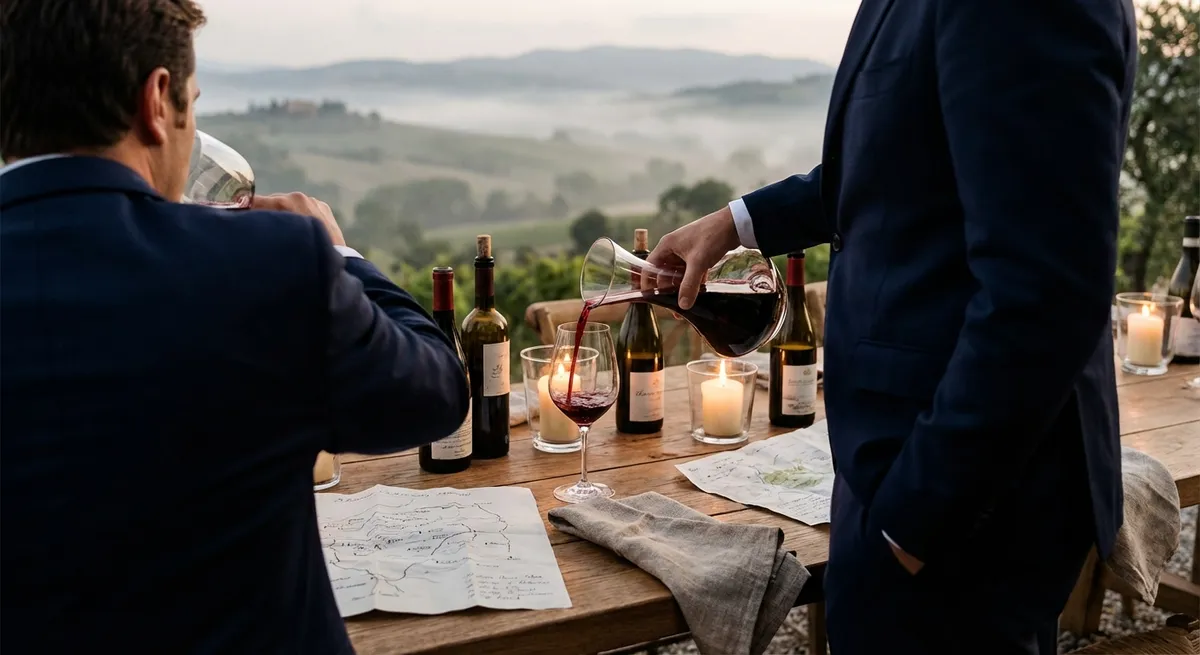
There is a moment, just before your first sip on a vineyard terrace, when the landscape, the glass, and the quiet choreography of hospitality come into perfect alignment. This is where a wine tour transcends tourism and becomes a finely tuned experience—one that rewards curiosity, attentiveness, and a taste for subtle luxuries. For the devoted wine enthusiast, the goal is no longer “seeing vineyards,” but entering the inner rhythm of a working estate and tasting its most authentic expression.
Below, we explore five exclusive insights that transform a pleasant winery visit into an unforgettable, deeply informed journey.
Reading the Landscape: Terroir as a Living Conversation
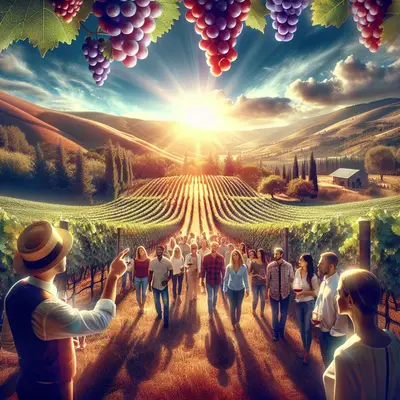
The most memorable wine tours begin not in the cellar, but in the vineyard itself. Standing among the rows, you are no longer a spectator; you are inside the wine’s origin story. The angle of the slope, the orientation to the sun, the drainage channels underfoot, even the way the breeze moves through the canopy—all of it is part of a quiet, ongoing dialogue between nature and the winemaker.
When arranging a premium tour, request dedicated time in the vineyards with someone directly involved in viticulture: the vineyard manager or winemaker rather than only the tasting-room host. Ask to see contrasting parcels—perhaps a higher, rockier plot next to a lower, richer one—and taste corresponding wines on-site if possible. This allows you to map flavors to physical places: the sharp minerality tied to limestone, the plush texture emerging from clay, the delicate aromatics nurtured by cooler, higher-elevation blocks.
Season also matters. In spring, you may observe pruning decisions that shape the vintage’s eventual concentration; in summer, canopy management reveals how the estate balances ripeness and freshness; in autumn, a walk during harvest offers a rare glimpse into picking strategies and the art of timing. Understanding the land in this way transforms each pour from a simple tasting note into a vivid memory of light, soil, and space.
Beyond the Tasting Room: Requesting Access to the Working Cellar
Behind every polished tasting room lies the true engine of the estate: the cellar. For enthusiasts seeking more than a curated flight, access to this space feels like stepping backstage at a grand performance. Here, protocol and precision meet intuition; stainless-steel tanks stand beside worn oak uprights, and the air carries a blend of cool stone, fermenting fruit, and quiet anticipation.
When booking, inquire whether the tour can include an extended cellar visit guided by the winemaker or cellar master. You are not seeking a hurried walk-through, but a deliberate exploration of choices: Why these fermentation vessels? How is temperature moderated during peak ferment? What role do native yeasts play? Ask to compare a barrel sample to the finished wine in bottle—this vertical glimpse into a single vintage’s evolution will sharpen your palate and deepen your respect for timing and patience.
In some regions, you may also observe concrete eggs, amphorae, or foudres alongside traditional barriques. Each vessel leaves its imprint on the texture and aromatics of the wine, and hearing the reasoning behind those decisions—a fresher expression, more purity of fruit, gentler micro-oxygenation—elevates your appreciation from “oak or no oak” to a nuanced understanding of structure. A cellar visit, handled well, is not merely educational; it is an immersion in the estate’s philosophy.
The Private Library: Unlocking Back Vintages and Site-Specific Flights
For the seasoned wine traveler, the true luxury is not necessarily a rare label, but context. Tasting a wine in isolation offers pleasure; tasting it across multiple vintages or vineyard designations offers insight. This is where the vineyard’s “library”—the collection of older bottles and limited cuvées—becomes invaluable.
When arranging your visit, discreetly ask whether the estate offers a library tasting or a comparative flight of single-vineyard or single-parcel wines. A vertical tasting (the same wine across different years) reveals how climate variation, age, and winemaking decisions shape the evolution of aroma, tannin, and acidity. A horizontal tasting (different cuvées from the same vintage) highlights the subtleties of site: the perfume of one hillside compared with the structure of another, all under identical seasonal conditions.
Enthusiasts often find that their understanding of a region pivots on a single, carefully composed tasting of this kind. You begin to see not simply “a good year” or “a favorite bottle,” but a pattern—a signature that persists across time. If the estate permits it, purchasing a curated trio or six-bottle set drawn from the wines you’ve just compared will allow you to revisit that pattern at home, extending the tour’s impact far beyond its afternoon window.
Pairing with Place: Elevating Wine Tours through Site-Specific Gastronomy
Food and wine pairing is a familiar pleasure; pairing wine with its place of origin is a more nuanced art. Increasingly, premium estates are moving beyond simple cheese plates to design gastronomic experiences that echo the region’s culinary heritage, seasonal produce, and even the microclimate of the vineyards themselves.
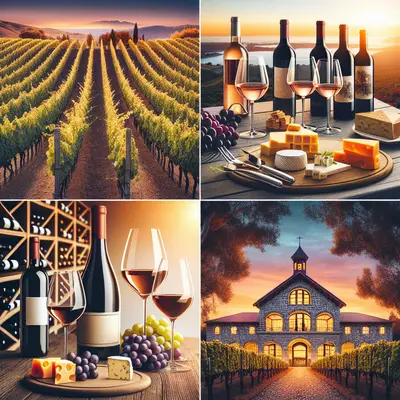
Seek out wineries that collaborate with resident chefs or local artisans to create bespoke tasting menus or elevated small bites. Look for details: estate-grown olive oil, herbs from the vineyard’s edge, local cheeses that mirror the wine’s acidity or fat content, cured meats influenced by regional spice traditions. When these elements are thoughtfully aligned, the tasting becomes not just harmonious but layered—each bite reframes the wine, and each sip refines the food.
For the enthusiast, this is also an opportunity to ask deeper questions: Which dishes do the winemakers themselves serve at home with these wines? How do they adjust pairings for younger versus mature vintages? You may discover that a structured, tannic red finds its softest expression beside slow-braised local lamb, or that a mineral-driven white sings most clearly with simply grilled seafood rather than complex sauces. These insights travel with you, turning your future dinner parties into an extension of your time in the vineyard.
Designing a Collector’s Journey: Curating Tours Around Your Cellar
The most rewarding wine tour is one that fits seamlessly into your personal wine narrative. Rather than visiting regions at random, consider building travel around the wines that already hold pride of place in your cellar—or those you hope to welcome there. This transforms a pleasant holiday into a tailored, long-term investment in your own collection.
Begin by mapping your cellar: Which regions or producers are most represented? Where are the gaps? Then, identify estates that both reflect your current preferences and gently expand them. For instance, if your collection skews heavily toward structured reds from classic appellations, you might seek out high-elevation producers or cooler-climate estates within those same regions, exploring fresher, more aromatic interpretations to complement your existing bottles.
During visits, communicate that you are curating with intention. Ask which wines in their portfolio are built for aging and request guidance on optimal drinking windows. Discuss storage conditions and, when possible, taste both current and older vintages side by side. Some estates may even assist in assembling a mixed case designed specifically around your palate—wines to open now, wines to revisit at five years, wines that will reveal their fullest character in a decade.
In this way, the tour becomes a living archive. Each bottle in your cellar is no longer a label discovered in a shop, but a chapter in a journey: a hillside you walked, a barrel you sampled, a conversation you remember as clearly as the wine itself.
Conclusion
An elevated wine tour is not defined merely by luxury vehicles or exclusive appointments, but by the depth of engagement it invites. When you read the landscape as carefully as you read a label, step into the working heart of the cellar, explore library wines, immerse yourself in place-driven gastronomy, and curate your visits around a thoughtful collection, each journey becomes an indispensable part of your ongoing education as a wine lover.
What endures long after the trip is not only the memory of remarkable bottles, but the sense that you have been momentarily woven into the fabric of the estate itself—its seasons, its decisions, its quiet pursuit of excellence. That is the true privilege of a refined wine tour: to taste not just what a winery makes, but who it is.
Sources
- Wine Institute – Winegrowing Basics – Overview of viticulture and factors like climate, soil, and topography that shape terroir.
- University of California, Davis – Viticulture and Enology – Educational resource on winemaking practices, fermentation vessels, and cellar decisions.
- Decanter – Understanding Terroir in Wine – In-depth discussion of how site and environment influence wine style and quality.
- Harvard T.H. Chan School of Public Health – The Nutrition Source: Wine – Evidence-based context on wine consumption and its place at the table.
- James Beard Foundation – Wine and Food Pairing Guides – Articles exploring refined approaches to pairing wine with regional and seasonal cuisine.
Key Takeaway
The most important thing to remember from this article is that this information can change how you think about Wine Tours.