Some wineries invite you to taste; premium wineries invite you to inhabit a philosophy. Beyond impressive architecture and rare bottles, the world’s most exceptional estates are defined by a level of intent that quietly permeates every decision— from how a vine is trained to how a glass is set before you. For travelers who seek more than a pleasant afternoon in the countryside, these are places where time slows, details sharpen, and wine becomes a lens for understanding land, culture, and craftsmanship at their most refined.
Below, we explore how truly premium wineries distinguish themselves—plus five exclusive insights that discerning wine enthusiasts will recognize and appreciate, and that can transform your next wine journey into something quietly unforgettable.
Precision Begins in the Silence of the Vineyard
At premium estates, the vineyard is not a backdrop; it is the central narrative. The difference is audible in the near-silence of a well‑tended parcel at dawn, where work is measured not in acres covered but in individual vines understood.
Here, canopy management is treated less as a task and more as a dialogue with the vintage. Leaves are removed vine by vine, creating shade or light exposure tailored to each cluster’s needs. In regions vulnerable to extreme heat, you may notice slightly denser canopies to protect berries; in cooler climates, a more open canopy optimizes ripening. The intention is always the same: balance, not abundance.
Soil management, too, becomes almost architectural. Instead of blanket fertilization, premium wineries analyze micro‑plots, adjusting cover crops, compost, and drainage with surgical precision. A few meters can separate vines destined for a grand vin from those reserved for a second label—not out of hierarchy for its own sake, but to preserve the integrity of each expression.
Viticultural decisions are increasingly guided by both heritage and data. Satellite imaging, drone surveys, and soil conductivity mapping help identify subtle variances in vigor, water stress, and nutrient levels. Yet technology never replaces the vigneron’s intuition; it refines it. The goal is not to dominate nature, but to translate it with greater clarity.
For the wine traveler, noticing these details—how the rows are oriented, the diversity of cover crops, where the soil suddenly shifts from clay to limestone—turns a vineyard walk into a privileged reading of the land’s inner script.
Where Architecture Frames the Wine, Not the Ego
Premium winery architecture is often photographed, but its most important role is felt rather than seen. The most thoughtful estates use design not merely to impress but to choreograph a sensory journey from arrival to final sip.
The approach is deliberate. A subtly curving driveway might be aligned to reveal the vineyard amphitheater one frame at a time. The tasting room’s windows are positioned to look not at generic views, but directly onto the parcels that shaped the wine in your glass. Stone, wood, and earth tones are selected to echo the local geology, quietly reinforcing the connection between place and palate.
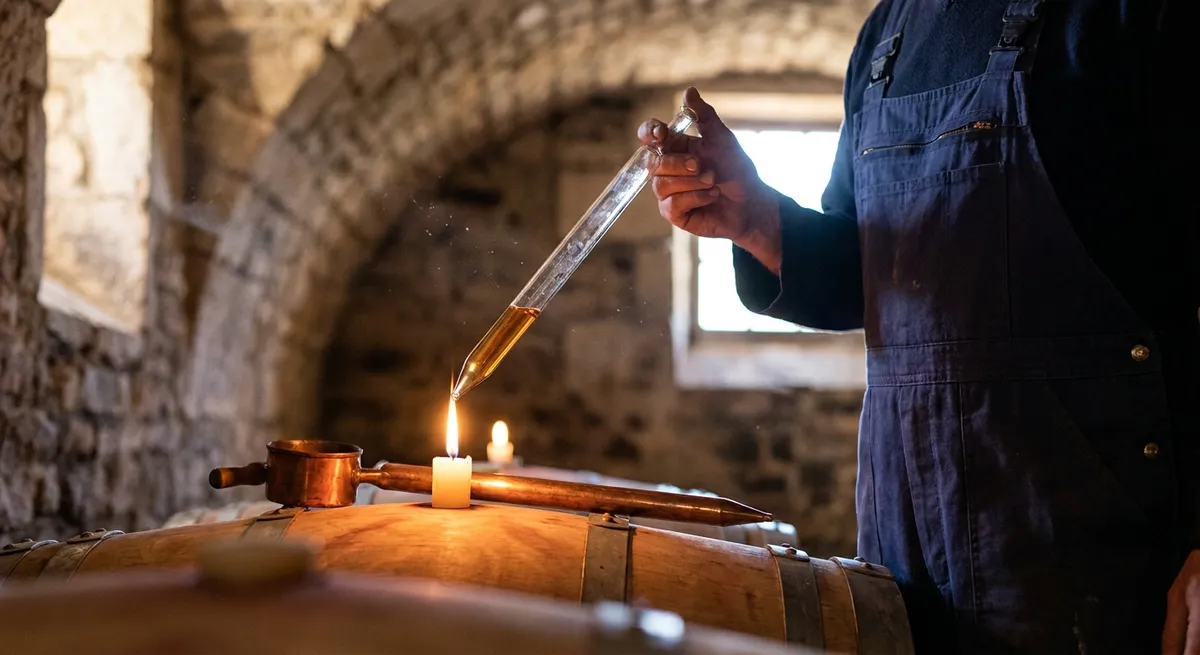
Inside the cellar, design becomes deeply functional. Gravity‑flow systems replace aggressive pumping, allowing juice to move gently from tank to barrel. Temperature and humidity are controlled not just by machinery but by naturally insulating earth berms and underground tunnels—choices that reduce vibration, maintain consistency, and preserve nuance over lengthy élevage.
Acoustic decisions are equally intentional: high ceilings, curved walls, and carefully chosen materials prevent echo and clatter, so that the cellar remains a place of focus. In the tasting area, sound is softened, lighting is warm but not dim, and seating encourages conversation rather than crowding. Your concentration is gently guided back to the wine.
For travelers seeking more than a photo opportunity, these spaces invite slower observation. Ask yourself: what does this building reveal about the estate’s priorities—showmanship, or serenity; spectacle, or precision? At the finest addresses, architecture quietly steps back to let the wine speak first.
Five Subtle Markers of a Truly Premium Winery
Behind the polished hospitality and rare bottles, premium wineries share a set of quiet signatures that are often overlooked on a casual visit. These five insights can help you read between the lines and appreciate the depth of what you’re experiencing.
1. The Pace of Service Is Deliberately Unhurried
In elevated tasting rooms, time becomes a carefully shaped luxury. Flights are not rushed; your host returns at intervals calibrated to the wine’s evolution in the glass. A pour is given a moment to breathe before discussion begins. Silence is allowed to exist—and is treated as a sign of engagement, not awkwardness.
You may notice that wines are served slightly cool rather than generously warm, with the expectation that they will expand as you sit. There is confidence in this pacing: the winery is inviting you to witness the arc of each wine, not just its first impression.
2. Glassware Is Matched to Intention, Not Branding
Premium estates rarely default to a single, generic tasting glass. Instead, you might see different bowl shapes for aromatic whites versus structured reds, or a distinct glass reserved for the estate’s flagship cuvée. The stemware is often thin, but not fragile for its own sake—its form follows function.
Take note of how the rim feels on your lip, how the bowl encourages or restrains aromatics, and whether each wine seems in harmony with its vessel. At top wineries, these choices are the result of extensive experimentation; sometimes the estate has collaborated directly with glassmakers to craft a bespoke design that best reflects their style.
3. Vintage Variation Is Celebrated, Not Apologized For
When discussing difficult years—cool summers, heat spikes, unexpected rain—premium wineries do not smooth over the story. Instead, they lean into it. Your host might compare tannin structure across vintages, explain how harvesting dates shifted, or pour side‑by‑side tastings that highlight differences in texture and aromatic profile.
Rather than chasing sameness, these wineries accept that each year writes its own chapter. A more restrained vintage might be prized for its longevity and focus; a solar year, for its generosity and breadth. This honesty around vintage variation is a hallmark of serious, terroir‑driven estates.
4. The Second (or Third) Wine Is Treated With the Same Respect
A subtle but telling sign: how the estate presents its secondary labels. At premium properties, these wines are not treated as afterthoughts. They are often crafted from younger vines, different parcels, or lots chosen for earlier‑drinking pleasure—but the same rigor in farming, sorting, and cellar work applies.
During tastings, you may find that these wines offer remarkable value and insight into the house style. They reveal how the estate thinks about balance, oak integration, and texture, without the grandeur (or price) of the flagship. Enthusiasts who pay attention here often discover the sweet spot where authenticity meets accessibility.
5. Conversation Extends Beyond the Bottle
In the most compelling encounters, your guide speaks as fluently about soils, native flora, and food pairings as about tannins and scores. Sustainability is explained in tangible terms: cover‑crop choice, water management, biodiversity corridors, and energy use—not just “organic” as a label, but as a lived practice.
You may hear about collaborations with neighboring producers, local artisans, or chefs—an ecosystem rather than an isolated brand. The estate’s commitment to its community and landscape subtly amplifies the meaning of each glass: you are not tasting a product, but the output of a living, interconnected place.
Curating a Premium Winery Visit That Feels Truly Personal
For travelers seeking depth rather than breadth, the art lies in creating space for a genuine encounter with a winery’s personality. This often means choosing fewer visits per day and giving yourself permission to linger.
Begin by researching the estate’s philosophy before you arrive: is it known for single‑parcel bottlings, long aging, avant‑garde blends, or meticulous expressions of classic varieties? Understanding this framework allows you to ask better questions and more fully appreciate what’s in your glass.
When booking, inquire about more focused formats: comparative tastings of different vineyards, verticals across vintages, or cellar visits that include barrel samples. Some estates offer food pairings designed to mirror local cuisine, revealing how their wines are meant to be lived with, not just tasted.
During the visit, engage with the wine in layers. First, simply observe: color, aroma, texture. Then, connect what you taste with what you’ve learned: does this parcel’s limestone edge translate into a finer, more linear structure? Does the clay plot produce a broader, more enveloping mouthfeel? The most rewarding moments often come when the abstract language of terroir resolves into something you can actually perceive.
Finally, consider leaving with more than bottles. Take detailed notes, capture photos of specific parcels, and jot down anecdotes from your host. These become part of the wine’s memory when you open it years later—reminders not just of a place you visited, but of a way of paying attention that you briefly shared.
Conclusion
The world of premium wineries is not defined by price tags, waiting lists, or dramatic façades, but by an almost obsessive level of care. In the vineyard, in architecture, in glassware, in pacing, and in conversation, the finest estates build experiences where nothing feels accidental and everything quietly serves the wine.
For those willing to slow down and notice, these details become a form of luxury that lasts long after the final pour—a deepened understanding of how landscape, time, and human judgment can converge to create something both fragile and enduring. Your next visit to a premium winery can be more than a tasting; it can be an immersion into the discipline of beauty itself.
Sources
- [Napa Valley Vintners – Winegrowing Practices](https://napavintners.com/napa_valley/winegrowing.asp) - Overview of high‑end viticultural techniques and vineyard management in a leading premium region
- [Institute of Masters of Wine – The Role of Terroir](https://www.mastersofwine.org/knowledge-and-resources/the-role-of-terroir) - In‑depth discussion of terroir and how site expression shapes fine wine
- [Wine Spectator – Inside Gravity-Flow Wineries](https://www.winespectator.com/articles/gravity-flow-wineries-take-winemaking-to-new-heights-52967) - Explains how gravity‑flow architecture supports gentle, quality‑focused winemaking
- [UC Davis Department of Viticulture and Enology](https://wineserver.ucdavis.edu/industry-info/enology) - Technical resources on enological practices used by top wineries worldwide
- [Champagne Bureau, USA – Vintage Variation Explained](https://www.champagne.fr/en/discover/vintages) - Clear explanation of how vintages differ and why variation matters in premium wine production
Key Takeaway
The most important thing to remember from this article is that this information can change how you think about Premium Wineries.