Paris is having a moment—and not just on screen. With a new wave of nostalgia around Pixar’s Ratatouille surging again in pop culture (yes, that 2007 classic about food and wine in Paris is back in the spotlight with fans dissecting hidden details online), the city’s culinary identity is enjoying renewed global attention. This time, it isn’t only about Michelin-starred tables; it’s about the glass in your hand when the Eiffel Tower begins to glitter.
As film lovers share Easter eggs and screenshots from Ratatouille across social media, a surprising side effect is playing out offline: heightened demand for immersive, food-first, wine-smart experiences in and around Paris. Discerning travelers are no longer satisfied with a generic “Paris wine tour.” They want evenings that feel cinematic yet deeply authentic—visiting the very types of cellars, bistros, and riverbanks that could belong in Remy’s world, updated for a 2025 palate.
Below, we explore five exclusive, insider-level shifts transforming Paris wine touring right now—subtle evolutions that true wine enthusiasts will recognize, and that savvy travelers can still catch before they become fully mainstream.
The Quiet Return of Parisian Urban Cellars
As Ratatouille resurfaces in the cultural conversation, so too does fascination with the “hidden Paris” it romanticized—those vaulted stone spaces beneath the city where chefs and sommeliers quietly perfect their craft. In the past two years, Paris has seen a discreet renaissance of urban cellars and micro-négociants, many tucked behind unmarked doors in the 2nd, 9th, and 11th arrondissements. These aren’t tourist traps; they’re working spaces where barrels, concrete eggs, and stainless-steel tanks coexist peacefully below street level.
For wine travelers, the premium experience is no longer just a day-trip to Champagne or Burgundy, but a curated evening that begins in an atelier-style cellar, guided by a winemaker who vinifies grapes sourced from Loire, Beaujolais, or Languedoc, yet ages and blends them right in Paris. Expect barrel samples, experimental cuvées bottled only for mailing-list clients, and frank conversations about low-intervention winemaking, climate pressure on vintages, and new French appellations. The most sought-after hosts cap groups at six to eight guests, ensuring the tasting feels more like an industry visit than a group tour—an ambiance any serious enthusiast will immediately appreciate.
From Bistros to “Cave à Manger”: Where Wine Leads and Food Follows
One of the subtle truths behind Ratatouille’s enduring appeal is that it treats food and wine as emotional storytelling devices rather than decorations. That very philosophy is now showing up in Paris’s new generation of caves à manger—wine shops that become intimate, reservation-only dining rooms at night. With the movie trending again across social feeds, there’s a renewed appetite for experiences where the narrative of the glass is just as important as the plate.
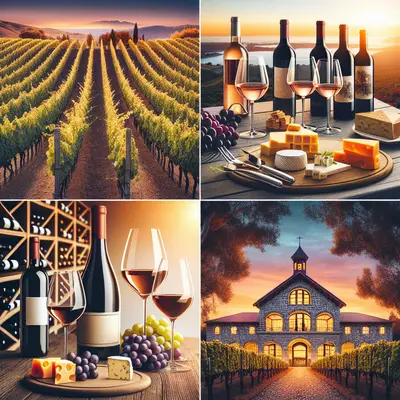
Modern wine tours in Paris are beginning to anchor their itineraries around these hybrid spaces. Instead of a series of anonymous tastings, guests might visit two to three carefully chosen addresses where the sommelier and chef collaborate on evolving, hyper-seasonal menus. A Jura savagnin is paired thoughtfully with a delicate Comté tart; a younger Beaujolais cru poured slightly chilled alongside confit duck with preserved citrus. Wine is not an “add-on”—it’s the starting point of the evening’s architecture. The most refined tours arrange bottle previews in advance, allowing guests to taste off-list allocations or back vintages the house typically reserves for collectors.
The Cinematic Seine: Sunset Cruises Reimagined for Serious Palates
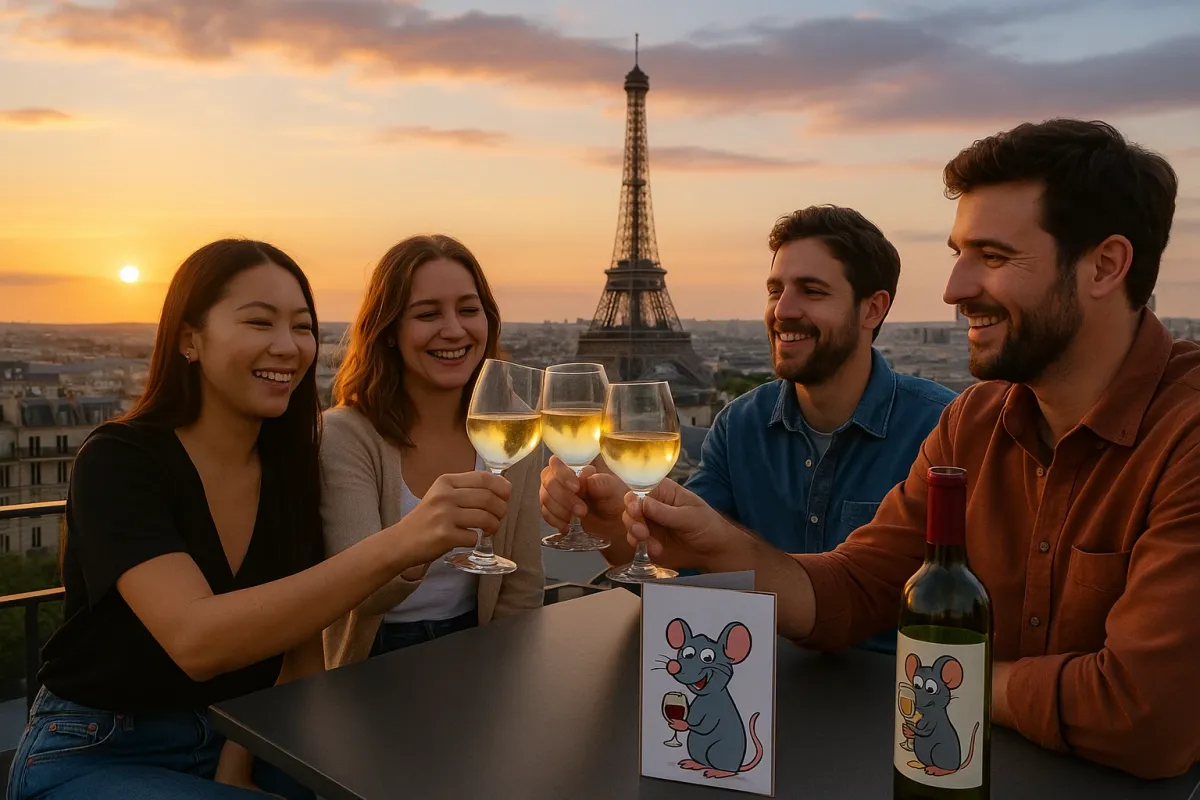
With Ratatouille’s Paris skyline and river views once again all over TikTok and Twitter, sunset over the Seine has never felt more iconic. But while classic sightseeing cruises remain crowded with large groups and generic wine, a quieter alternative is emerging for those who care as much about the label as the landmark. Boutique operators have begun offering limited-capacity, sommelier-hosted cruises where the city becomes a luminous backdrop to a structured flight of wines.
Instead of one forgettable “red” and “white,” these cruises may showcase a themed progression: grower Champagne from the Montagne de Reims as you depart near the Île de la Cité, a mineral Sancerre or Menetou-Salon as you drift past the Louvre, followed by a structured Left Bank Bordeaux paired with aged Comté and charcuterie as the Eiffel Tower illuminates. The talk on board is detailed but never didactic—expect discussion of parcel selection, lees aging, and current releases versus library bottles, without sacrificing the magic of the view. This is where discerning wine lovers are quietly migrating this season: away from mass-market entertainment and into experiences where the river, the wine, and the night sky feel perfectly synchronized.
Vineyard Day Trips with a Chef’s Perspective
One of the most fascinating outcomes of Ratatouille’s renewed buzz is that the public conversation has shifted from “What’s a good bottle?” to “What does this wine belong with?” That question is reshaping premium day trips from Paris into Champagne, Loire, and Burgundy. More operators are designing excursions that pair vineyard visits with chef-led market tours or private cooking sessions, blurring the line between enotourism and culinary masterclass.
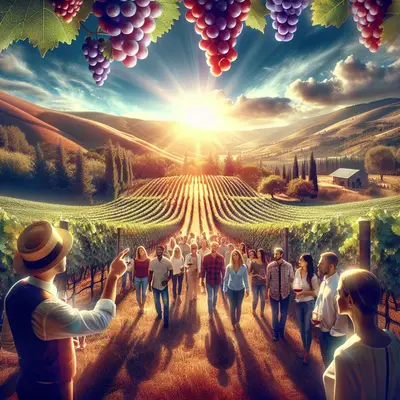
A refined itinerary might begin at a small, family-run Champagne estate in the Vallée de la Marne, where you walk the rows and taste base wines from different parcels. From there, a short transfer brings you to a town market, where a local chef helps you select seasonal produce and cheeses that will later be transformed into a long, late lunch. Throughout the day, the discussion is specific: dosage levels in Champagne and how they affect food pairing, the role of malolactic fermentation in creating texture, the influence of soil types in Loire sauvignon blanc. These aren’t generic tasting notes; they’re nuanced insights that speak to guests who already understand the basics and are looking to deepen their palate with context.
Instagram Loves the Rat, Connoisseurs Love the Lists
As “hidden details in Ratatouille” threads go viral, the same instinct that drives fans to pause and zoom in on background labels or kitchen details is surfacing in wine enthusiasts’ behavior on tour. Guests are arriving in Paris not just with bucket-list châteaux in mind, but with screenshot folders of specific producers, importers, and cuvées they’ve spotted in documentaries, sommelier posts, or even in animated scenes. Leading wine experiences are adapting quickly, turning what could have been a fandom trend into a surprisingly sophisticated form of personalization.
Premium tour designers now subtly pre-profile guests via questionnaires, social handles, and cellar snapshots, then weave those preferences into the itinerary. If you’ve been reposting alpine whites or natural-leaning Beaujolais from top European retailers, don’t be surprised when your Paris tasting includes a side-by-side comparison of two volcanic whites from Auvergne, or a visit to a boutique whose allocation list rarely opens to the public. Meanwhile, sommeliers are increasingly transparent about which producers are genuinely allocated because of quality, and which are simply riding the algorithm. This behind-the-curtain honesty—about the difference between hype and heritage—is exactly the kind of refinement serious wine travelers crave.
Conclusion
As Ratatouille enjoys an unexpected resurgence in the global conversation, Paris finds itself once again cast in the role it plays best: a city where food, wine, and story are inseparable. But away from the memes and movie stills, something more enduring is happening. Urban cellars are welcoming a new generation of curious visitors, river cruises are becoming tasting salons on the water, and vineyard day trips are evolving into deeply personal, chef-informed journeys.
For wine enthusiasts planning their next escape, this is a rare moment when pop culture, high gastronomy, and serious wine converge in one luminous, walkable city. Approach Paris not as a checklist of monuments, but as a living cellar of experiences—and you’ll find that the most memorable pours this season aren’t just the ones in your glass, but the carefully crafted stories surrounding them.
Key Takeaway
The most important thing to remember from this article is that this information can change how you think about Wine Tours.