Miley Cyrus’s much-discussed “new” (or rather, restored) smile has been making headlines as fans praise that she “finally looks like herself again.” Beyond the red-carpet chatter, that single narrative—stripping away what feels artificial to reveal something more authentic—echoes a powerful, very current shift inside the world’s most coveted premium wineries.
As culture obsesses over celebrity reinvention, top estates from Napa to the Médoc are quietly staging their own transformations: less lacquer, more light; fewer flashy gestures, more considered detail. The luxury wine experience is being refined in real time, and today’s most discerning travelers are taking notice.
Below, five exclusive, insider-level shifts we’re seeing right now in the premium winery space—each one mirroring this cultural move back toward an unmistakably authentic glow.
From Polished Facades to “Unfiltered” Elegance
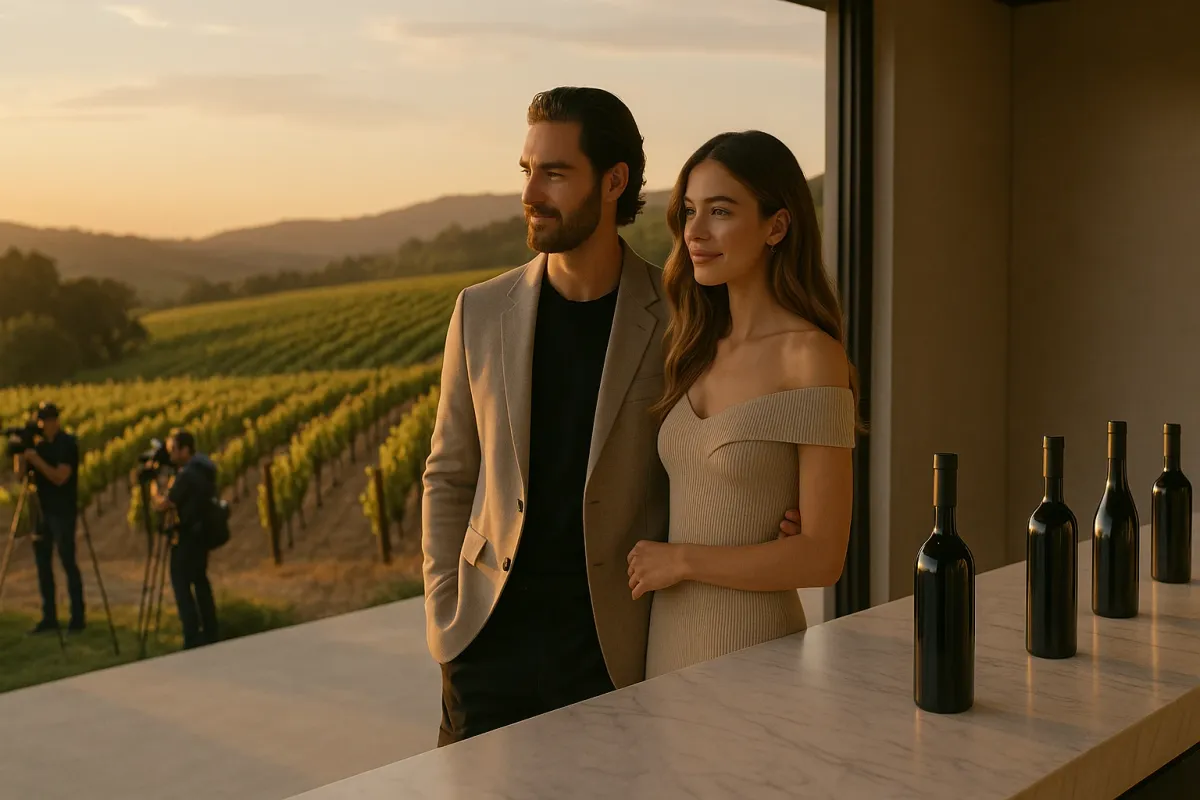
Miley Cyrus’s return to a softer, more natural smile has resonated precisely because it feels like a step away from over-engineering. Premium wineries are undergoing a similar recalibration. The era of hyper-staged tasting rooms—polished marble, cavernous lobbies, and Instagram-first décor—is quietly giving way to a more relaxed, “unfiltered” elegance that still feels deeply luxurious.
In Napa and Sonoma, newly renovated estates are paring back the gloss in favor of natural textures—limewashed walls, hand-hewn oak, linen instead of lacquered leather. On the Left Bank in Bordeaux, several classified growths are redesigning guest salons to feel more like a private home library than a showroom: softer lighting, fewer labels on display, more tactile materials. The intent is to shift the focus back to what is in the glass, not just what is in the frame of a photo. The luxury is no longer about spectacle; it’s about restraint—spaces that feel quietly assured, the way an unforced smile does.
Precision Over Perfection: The New Era of Micro-Cuvées
The conversation around celebrity aesthetics in 2025 has been dominated by an obsession with micro-adjustments—subtle changes that refine rather than radically alter. In the same way, elite wineries are increasingly expressing their terroir through microscopically precise bottlings, not crowd-pleasing uniformity.
Burgundy’s cult domaines have long bottled individual lieux-dits, but now Bordeaux châteaux, high-elevation Napa estates, and even top-tier Argentinian producers in Gualtallary are embracing micro-cuvées based on soil slices, clonal selections, and exposure nuances. For serious collectors, the thrill lies in tasting these tiny, meticulously rendered differences: the shaded parcel picked two days later, the experimental amphora lot, the single old-vine block that never makes it into the flagship blend. It’s the vinous equivalent of a subtle cosmetic refinement—you might not see it from across the room, but once you notice, it feels impossible to ignore.
The Return of the Human Face: Winemakers as Artisans, Not Brands
Miley’s viral “she finally looks like herself again” commentary hints at something deeper: a craving to connect with the human behind the image. Premium wineries are tracking the same energy. Where once the spotlight glared almost exclusively on the château or label, many leading estates are repositioning the winemaker as the visible, approachable artisan at the center of the story.
In Tuscany, Bordeaux, and the Willamette Valley, it’s increasingly common to see the cellar master or estate director hosting intimate library tastings rather than delegating to hospitality staff. Some are offering limited “technical” tours where guests taste components from barrel alongside the winemaker, discussing tannin grain and phenolic ripeness rather than just view lines and architecture. For high-end travelers accustomed to polished but anonymous luxury, the chance to look the creator in the eye—to hear why a pick date was moved because of a late breeze off the river—feels as revelatory as seeing a celebrity reclaim a version of themselves that predates the filters.
Subtle Sustainability: Quiet Luxury in the Vineyard
Just as public discourse around aesthetics is shifting away from extremes toward healthier, more sustainable choices, top-tier estates are reframing sustainability not as a marketing badge, but as an intrinsic part of genuine luxury. The trend is unmistakable in 2025: regenerative viticulture, low-intervention winemaking, and biodiversity corridors are moving from niche talking points to baseline expectations at the very top end.
Bordeaux’s first growths are accelerating organic and biodynamic conversions; benchmark Champagne houses are investing in cover crops and reduced herbicide use, often more than they talk about publicly. High-end Napa properties, still grappling with the long tail of wildfire seasons, are quietly redesigning vineyard blocks with fire breaks and native plantings that also support healthier soils. The most exclusive experiences now invite guests into this process: walking among flowering cover crops, tasting vintages from before and after a conversion to organics, or touring gravity-flow cellars designed to minimize energy use. Sustainability, in this context, feels less like virtue signaling and more like the ultimate refinement—luxury that does not need to shout, because its integrity is built into every vine row.
A New Kind of Glow: Ambient, Not Flashy, Wine Experiences
Commentary on Miley’s current look often centers on her “glow”—a word that surfaces equally in discussions of well-made wines and well-designed tasting experiences. Premium wineries, tuned in to broader luxury trends, are leaning into a gentler, more ambient style of hospitality that allows guests to radiate at their own pace.
Instead of rigid, back-to-back tastings, some estates now offer flexible, almost residential time slots: arrive within a given window, settle into a salon or shaded terrace, and move through a curated sequence guided by a dedicated host who adapts to your rhythm. Pairings are lighter and more precise—small, seasonal bites that accentuate acidity or texture rather than overwhelm the palate. Lighting design has become a serious consideration: fewer cavernous, echoing halls, more golden-hour terraces and candlelit cave corners that flatter both guests and glasses. The sum effect is akin to that “finally herself again” moment—luxury that leaves you feeling more like you, not transformed into someone else for the sake of a social feed.
Conclusion
As culture debates what it means for a public figure to “look like themselves again,” the world’s premier wineries are engaged in a parallel conversation—about wines, spaces, and experiences that feel unapologetically true to their origins. Authenticity is no longer a rustic counterpoint to luxury; it is the new, defining expression of it.
For travelers planning their next high-end wine escape, the most rewarding destinations in 2025 will be those estates that, like Miley’s much-discussed smile, have gently set aside a layer of artifice to reveal something more enduring underneath: precision without rigidity, sustainability without spectacle, and a glow that comes not from surfaces, but from the quiet confidence of knowing exactly who you are—and pouring that identity, unfiltered, into every glass.
Key Takeaway
The most important thing to remember from this article is that this information can change how you think about Premium Wineries.