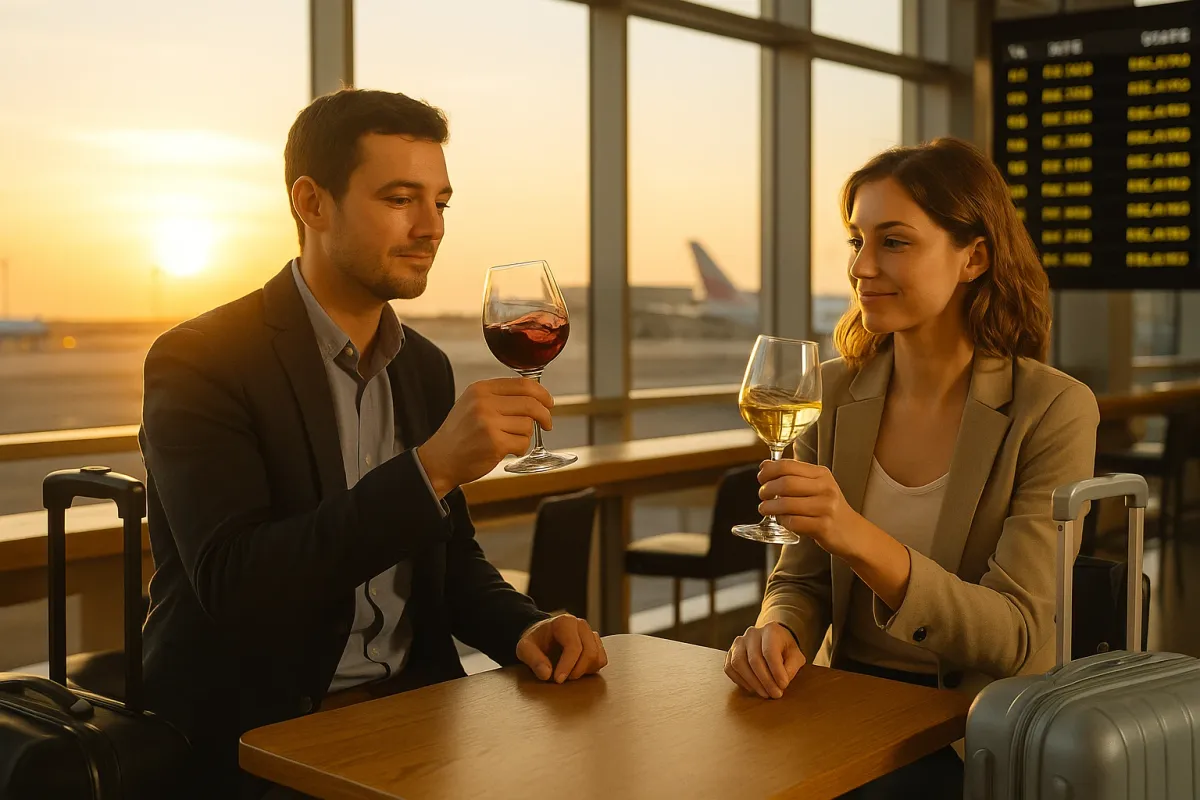
The world is bracing for another season of airport gridlock and overbooked flights. Travel sites are pushing “25 essential gadgets” to survive the holidays, and social media is already filling with videos of endless security lines and weary travelers camped out on the floor. Yet quietly, in the shadow of this annual chaos, a different kind of journey is taking shape: the intentional escape to wine country, where time slows, glasses linger, and the loudest sound is often the soft pop of a cork.
As mainstream travel media focuses on noise-canceling headphones and compression packing cubes, a growing number of discerning travelers are opting out of the frenzy altogether. Instead, they are booking refined, hyper-local wine experiences—often within driving distance—that transform the holiday season from something to “get through” into something to savor. Inspired by the current wave of “holiday travel survival” features, this moment offers a rare opportunity: to reimagine wine tasting not as a side activity on a packed itinerary, but as the centerpiece of a deeply restorative escape.
Below are five exclusive, timely insights for wine enthusiasts who see the current travel climate not as a constraint, but as a chance to elevate how—and where—they taste.
The Rise of the “Two-Hour Radius” Wine Escape
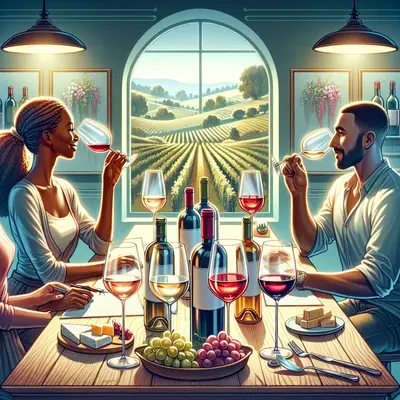
As holiday travel headlines warn of record crowds and airport meltdowns, many travelers are rediscovering the luxury of proximity. Instead of enduring multi-leg flights, they are curating refined wine getaways within a two-hour drive from home. Napa and Sonoma for San Francisco, the Willamette Valley for Portland, Virginia wine country for Washington, D.C., the Finger Lakes for New York—these regions are seeing a surge in short-haul, high-touch experiences that prioritize intimacy over itinerary volume.
The most sophisticated wineries are responding in kind, moving away from crowded bar tastings toward seated, reservation-only experiences with dedicated hosts. Guests arrive not jet-lagged, but composed; not clutching boarding passes, but cradling stemware. For wine lovers, this shift is invaluable: with less transit fatigue, your palate is naturally sharper, better able to perceive nuance in texture, acidity, and aroma. In a season obsessed with “making it home” for the holidays, the quiet luxury may be discovering how close true escape actually is.
From Gadgets to Glassware: Reframing “Travel Essentials”
As gift guides fill with portable chargers and collapsible pillows, a parallel conversation is unfolding among serious wine enthusiasts: what are the true essentials for a refined tasting journey? Frequent flyers may be snapping up smart suitcases, but the discerning wine traveler is upgrading something far more tactile—what touches the wine itself.
Premium tasting rooms are leaning into bespoke glassware programs, sometimes offering side-by-side comparisons of the same wine in different stems to demonstrate how shape influences aroma and structure. Some estates now allow guests to reserve “collector flights” served exclusively in hand-blown crystal, transforming a simple pour into a study in precision. Smart travelers are mirroring this mindset at home: investing in a carefully chosen set of universal stems rather than another gadget that promises to “fix” travel. In a season obsessed with convenience, this return to craftsmanship speaks volumes about where true luxury resides.
Slow Itineraries, Deep Palates: The New Antidote to Holiday Frenzy
The current travel narrative glorifies efficiency: how to move faster through security, how to pack lighter, how to optimize every hour away. Wine country, meanwhile, is increasingly drawing those who are weary of optimization and hungry for immersion. The most coveted itineraries now are not the busiest, but the slowest: a single estate visit extended into an afternoon, or a focused exploration of one varietal across neighboring producers.
Wineries are adapting by offering “vertical immersion” tastings that span multiple vintages of the same wine, or “single parcel” flights that trace subtle shifts in terroir within a single vineyard. These experiences demand presence; you cannot rush an understanding of how a cool vintage shapes tannin, or how extended lees contact alters texture. When the rest of the world is frantically refreshing airline apps, choosing to sit with one wine—really sit with it—becomes a powerful, almost subversive act of luxury.
The Private Salon Returns: Elevated Spaces in Response to Crowds
As social feeds fill with images of overcrowded terminals and jammed departure gates, a different aesthetic is emerging in the most forward-thinking tasting rooms: the return of the private salon. These are not generic “VIP rooms,” but finely curated spaces that feel closer to a member’s club than a tourist venue—often hidden behind unmarked doors or nestled in restored farmhouses and châteaus.
In response to the broader travel climate, many estates are refining their appointment-only salons with firelit lounges, library vintages by the glass, and dedicated sommeliers who structure tastings like intimate conversations rather than presentations. For the guest, the contrast with the outside world is cinematic: no lines, no announcements, no rush. Just quiet, measured pours; thoughtfully paced flights; and the sense that every detail—from the temperature of the cellar to the cadence of service—has been calibrated for calm. In a season defined by public congestion, the privacy of a well-designed tasting salon feels more luxurious than any airport lounge access ever could.
Curating Memory, Not Mileage: How Today’s Travelers Are Redefining “Going Away”
Current travel commentary often measures success in distance: how far you’ve gone, how many countries you’ve checked off, how many hours you’ve survived in transit. Wine enthusiasts, however, are increasingly redefining the value of a trip in terms of memory density rather than mileage. A single, crystalline moment—a winemaker drawing a sample from the barrel; a late-afternoon tasting with the vineyard glowing amber outside; a perfectly decanted bottle shared with just one other person—can outweigh entire itineraries.
Wineries in major regions are leaning into this with experiences designed to be remembered in exquisite detail: blending sessions where guests leave with a custom-labeled bottle bearing the date; limited-production releases available only to those who visit; candlelit cave tastings that feel almost ceremonial. Against the backdrop of a world obsessing over delayed flights and lost luggage, the wine traveler is asking a different question: not “How far did I go?” but “What, precisely, will stay with me?” In that recalibration, wine tasting becomes more than an activity—it becomes the architecture of the journey itself.
Conclusion
While news cycles fixate on the chaos of holiday travel, an understated transformation is occurring in wine country. Proximity is becoming a virtue, slowness a status symbol, and privacy the ultimate luxury. The most sophisticated wine travelers are quietly stepping away from departure boards and leaning into tasting rooms, trade routes of the past becoming sanctuaries of the present.
In this moment, wine tasting is no longer the pleasant interlude between flights or meetings—it is the destination. For those willing to trade airport lounges for barrel rooms, and boarding calls for the soft murmur of a cellar, the season ahead offers something rare: the chance to experience wine not as a distraction from chaos, but as its elegant, deliberate antidote.
Key Takeaway
The most important thing to remember from this article is that this information can change how you think about Wine Tasting.