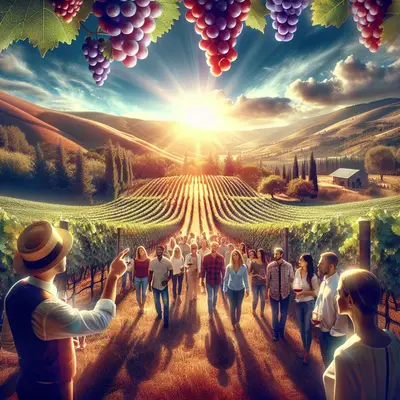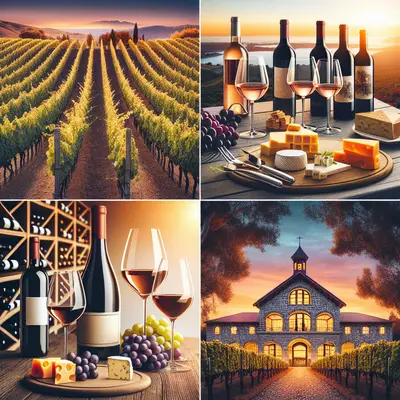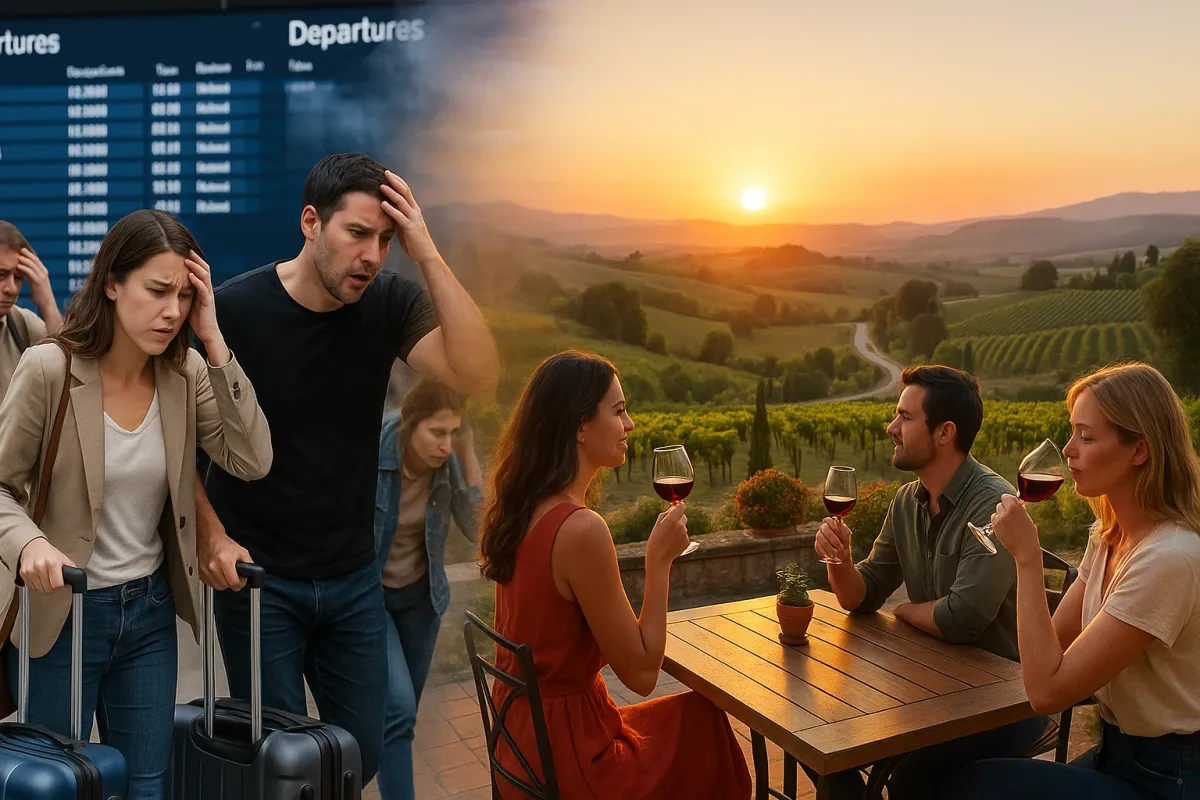
The same forces turning airports into obstacle courses this season are reshaping how discerning travelers experience wine country. As headlines spotlight the chaos of holiday travel—overpacked flights, frayed tempers, and endless security queues—well-heeled wine lovers are quietly rewriting their own rules: fewer frantic city breaks, more slow, curated vineyard immersions. The most coveted luxury right now isn’t another lounge pass; it’s time, space, and a glass of impeccably crafted wine poured far from the departure gate.
Inspired by the surge of “travel hacks” and gadget guides aimed at surviving peak-season transit, a different question is emerging among sophisticated travelers: instead of enduring the chaos, why not redirect that energy toward a meticulously orchestrated wine retreat? From private library tastings timed to sunset to chauffeured transfers that bypass airport stress entirely, the modern wine tour is becoming the elegant antidote to the season’s loudest headlines.
Below, explore five quietly exclusive shifts redefining high-end wine tours for travelers who would rather trade TSA lines for terroir.
The Rise of the “Carry-On Only” Vineyard Weekend
As holiday travel articles obsess over compression cubes and personal-item-only packing, luxury wine travelers are adopting a related—but far more indulgent—philosophy: arrive light, live richly. Instead of hauling luggage through terminals, many guests now opt for seamless, door-to-vineyard transfers arranged directly by wineries or boutique tour operators. Luggage is minimal; the experience is maximal.
This shift has led estates in regions like Napa, the Willamette Valley, Tuscany, and the Douro to curate ultra-efficient yet deeply immersive itineraries that work beautifully over a long weekend. Think: a Friday afternoon arrival directly at your vineyard suite, a private sunset barrel tasting, a late breakfast overlooking the vines, and a sommelier-led exploration of back-vintage bottlings rarely poured in public. By Sunday evening, you’ve experienced the depth of a full wine-country week—without once consulting a gate number. The new standard of luxury is not how much you pack, but how gracefully every moment unfolds once you arrive.
From Security Lines to Cellar Lines: Precision-Timed, Crowd-Free Tastings
Current coverage of holiday transit paints a vivid picture of waiting: lines for check-in, lines for security, lines for boarding. In quiet contrast, top-tier wineries are investing in something far rarer—precision timing that ensures you almost never share a tasting room with strangers. For guests accustomed to airport queues, stepping into a perfectly staged, empty cellar feels like stepping into an alternate universe.
Premium estates in regions like Bordeaux, Rioja, and Stellenbosch are now coordinating tasting appointments with near-military synchronicity. Staggered start times, private hosts, and secondary “holding salons” mean you may move from vineyard walk to barrel room to seated tasting without ever crossing paths with the next party. It’s the polar opposite of holiday-terminal mayhem: a choreography of silence, glassware, and decanted bottles waiting exactly at the right temperature. For enthusiasts, this doesn’t just feel luxurious; it materially changes how you taste. Without noise, distraction, or rush, the wine—and the terroir story behind it—has room to resonate.
The New Travel Essentials: Sommelier, Chef, and Driver
Where gadget guides promise to make cramped flights more bearable, the most elevated wine tours are redefining what “essential” support really means on the ground. In lieu of noise-cancelling headphones and portable chargers, today’s refined traveler prizes an entirely different triad: a sommelier to curate, a chef to interpret, and a driver to orchestrate a day where no one needs to check a map or a clock.
High-end regions from Sonoma to Sicily are seeing a surge in fully hosted days where a dedicated wine expert and private driver stay with you from the first vineyard visit to the final nightcap. In top-tier programs, a chef—either on-site at the winery or attached to your villa—builds menus around your tasting arc: saline coastal whites matched to crudo at lunch, structured reds layered with braised meats at dusk, late-harvest or fortified wines framing a candlelit dessert course. The effect feels less like a tour and more like entering a private, moving household where every professional is quietly aligned around your palate, your pace, and your pleasure. The comparison to even the most upgraded airport experience isn’t just unflattering—it feels irrelevant.
Micro-Seasons Over Peak Seasons: Outsmarting the Crowd Entirely
If holiday travel reports teach us anything, it’s this: everyone is moving at the same time. Sophisticated wine travelers are responding not by upgrading their tolerance for crowds, but by abandoning the concept of “peak season” altogether and embracing micro-seasonal travel.
Rather than jostling for space during harvest festivals or summer weekends, oenophiles are targeting hyper-specific windows: the quiet, mist-laced weeks just after harvest in Burgundy; the luminous, crisp days before budbreak in Oregon; the early-spring almond-blossom period in Mediterranean wine regions. Wineries, in turn, are rewarding this savvy timing with access that rarely appears on public calendars—extended barrel tastings with the winemaker, blending sessions with the cellar team, or intimate lunches in production spaces usually reserved for staff.
These micro-season escapes feel particularly timely this year as many travelers look for alternatives to gift-heavy, mall-heavy Decembers. Instead of buying more “stuff,” a growing segment is investing in memories that align with the natural rhythms of the vineyard—moments where the only schedule that matters is the one set by the vines themselves.
Turning Travel Stress Into a Sensory Reset
Holiday travel commentary frequently reads like a catalogue of triggers: noise, crowds, unpredictability, fatigue. The most thoughtfully curated wine tours are responding by positioning themselves explicitly as sensory resets—experiences that don’t just distract from stress, but actively unwind it.
Estate architects and hospitality teams in leading regions are paying obsessive attention to pacing and sensory sequence. You might begin your day in absolute quiet, walking between rows as a guide explains pruning decisions or soil profiles. Tasting flows from lightest to most structured wines in an arc designed not just for your palate but for your nervous system: gentle acidity first, then textural whites, then contemplative reds enjoyed seated, unhurried, with wide sightlines across the valley. Lighting softens as the day progresses; music, if used at all, is intentionally subtle. By the time you reach your final glass—perhaps a late-harvest Riesling or an elegant vintage port—the outside world feels not just distant, but optional.
For many seasoned travelers, this is the deepest luxury of all in a year defined by headlines about chaos: to remember that travel can still be about restoration, curiosity, and quiet excellence.
Conclusion
As the world debates how to survive another season of airport congestion and holiday frenzy, a more discreet conversation is taking place among those who travel for pleasure, not punishment. Why endure the spectacle when you can reimagine the journey altogether—trading security lines for cellar doors, overhead bins for vaulted barrel rooms, and fluorescent terminals for golden, late-afternoon vineyards?
The most compelling wine tours of right now don’t try to compete with mass travel; they transcend it. They invite you into spaces where time feels elongated, where every glass is poured with intention, and where the only connection you need to worry about is the one between soil, grape, and your own evolving palate. In a season obsessed with coping mechanisms, the true luxury move is to opt out of the chaos—and step into a world where the only rush is the swirl of wine in your glass.
Key Takeaway
The most important thing to remember from this article is that this information can change how you think about Wine Tours.