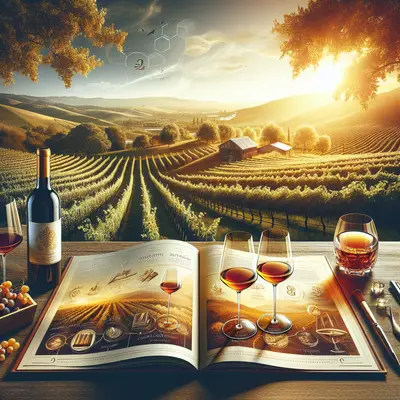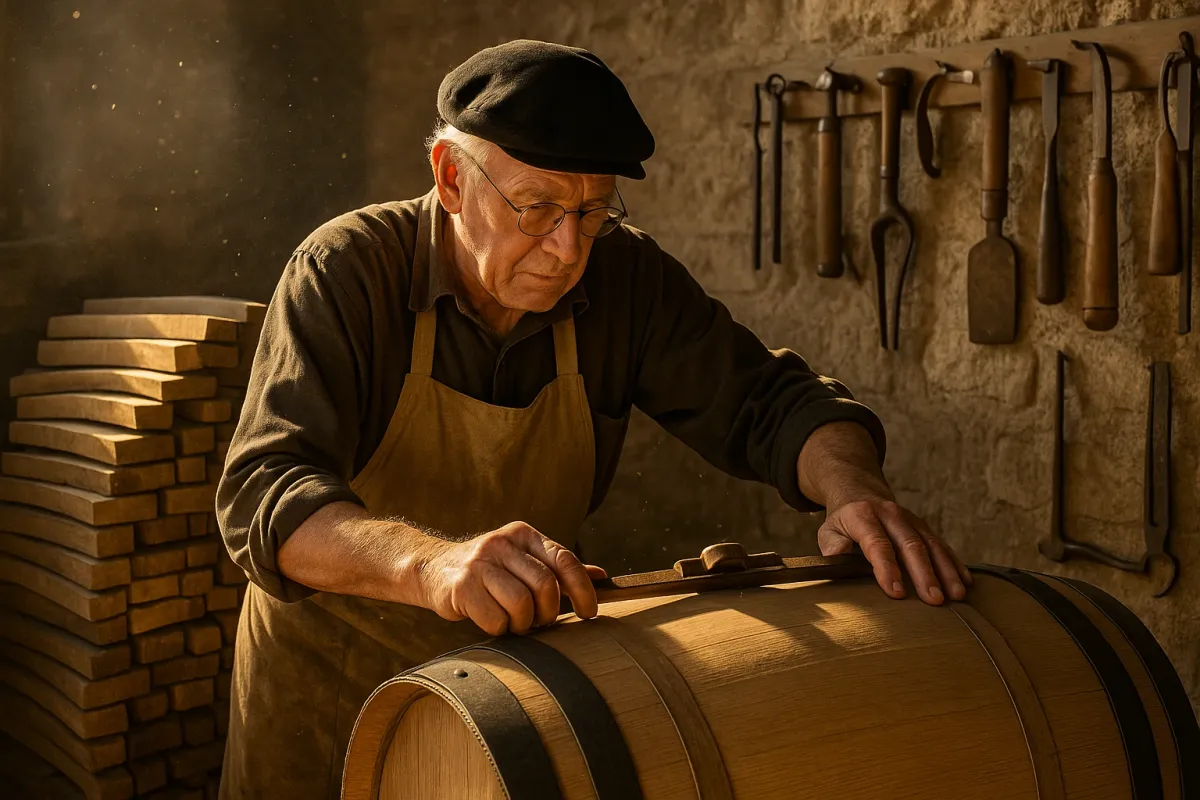
In a week when the internet is marveling at artisans who transform raw timber into sculptural masterpieces, the conversation around craftsmanship has never felt more current. A trending feature, “50 Times People Made Something Amazing Out Of Wood,” has gone viral for celebrating patience, precision, and the quiet beauty of handmade work. For anyone who cherishes premium wineries, this moment feels instantly familiar. The same almost-obsessive dedication that turns a simple block of wood into something transcendent is precisely what defines the world’s most coveted vineyard experiences.
Today’s leading estates—from Napa Valley and Sonoma to Bordeaux, Tuscany, and Margaret River—are leaning into that same “craft-first” mindset that’s captivating design and art enthusiasts online. As social feeds fill with intricately carved tables and gravity-defying wooden sculptures, the top tier of wine country is responding with exquisitely detailed tastings, cellar designs that feel like galleries, and barrel programs that treat oak as sculpture in liquid form. The result is a new era of premium wineries where every element, from cooperage to candlelight, has been considered with the exacting care of a master woodworker.
Below, we explore five exclusive insights into how this global obsession with craftsmanship is quietly reshaping the modern premium winery—and how discerning wine travelers can experience it at its most refined.
1. The New “Barrel Atelier”: When Oak Becomes a Design Language
As the woodcraft article circulates across social media, celebrating the magic of working with grain, texture, and time, top wineries are inviting guests to see their barrel halls in precisely the same way: as ateliers, not storage rooms. Estates in Napa’s Oakville and Rutherford AVAs, as well as in Bordeaux’s Left Bank, are increasingly curating barrel programs with the specificity of a high jewelry house selecting stones.
Instead of simply ordering French oak from a standard list, they’re commissioning barrels by forest, grain tightness, toasting profile, and even individual cooper—Taransaud, François Frères, Darnajou, and a handful of boutique artisans now feature on tasting menus with the same prominence as varietals and vineyard parcels. Some luxury properties have introduced “oak verticals,” where guests taste the same vintage aged in different coopers’ barrels, discovering how one forest amplifies violet and cassis, while another broadens the wine’s mid-palate with cedar and cocoa.
The most forward-thinking wineries are turning this barrel selection into an experience: private “oak tastings” in candlelit chai cellars, guided by winemakers who speak about staves and toasting curves with the reverence of sculptors discussing chisels and grain. For travelers who find themselves pausing over videos of hand-planed walnut tables online, stepping into these barrel halls is the oenological equivalent—a gallery of oak, quietly shaping something enduring.
2. Architectural Cellars That Feel Like High-Design Studios
The viral fascination with contemporary wood design—floating staircases, tension-defying shelves, and monolithic tables—is echoing strongly in winery architecture. Around the world, premium estates are commissioning architects and interior designers known for their work with timber, not just stone and glass, to create spaces that feel like living installations rather than traditional chateaux or rustic barns.
In regions from the Willamette Valley to Spain’s Ribera del Duero, new tasting salons are featuring sculpted oak ceilings that mimic the curve of barrels, screen walls made of vertical slats that evoke vine rows at sunset, and tasting bars hewn from single pieces of reclaimed wood. The effect is immersive: you taste Cabernet beneath a canopy of warm, oiled oak, with the subtle scent of wood complementing dark fruit and spice in the glass.
These wineries understand that their most shareable asset is no longer just the view; it’s the detail. Guests reaching for their phones are just as likely to capture the way light moves across a hand-joined oak bench as they are to photograph the vineyards outside. On social media, close-up shots of joinery, grain, and shadow now sit alongside pours of library vintages and magnums in the cellar—evidence of a travel trend in which design lovers choose wineries with the same scrutiny they apply to boutique hotels and concept galleries.
3. Hyper-Curated Tasting Flights as “Edible Design”
Online, viewers are pausing to appreciate videos showing how a single plank of wood becomes something purposeful, cohesive, and beautiful. At the apex of wine hospitality, tasting flights are being designed with similar intentionality—each pour a step in a narrative arc rather than a simple progression from white to red.
Elite wineries are now assembling “craftsmanship flights,” where every wine on the lineup reveals a different dimension of meticulous work: a single-vineyard Chardonnay that spent 18 months in 500L puncheons; a Cabernet Sauvignon co-fermented with a small portion of whole clusters to preserve aromatic lift; a micro-cuvée aged in amphora before a brief finishing in new French oak. The pour sizes stay elegantly restrained, the glassware precise—often thin-stemmed crystal from brands like Zalto or Riedel’s Sommelier series, chosen to frame specific aromatic families.
Many estates pair these flights not with full meals, but with minimal, architecture-like bites—perhaps a single sliver of aged Comté on a custom-carved cedar board, or an olive oil-brushed crostino served on a minimalist wooden tray whose grain subtly echoes the barrel staves behind you. The message is clear: everything here has been edited. Nothing is accidental. The presentation is as considered as the wine itself, and for guests accustomed to gallery openings and chef’s counters, this orchestration feels deeply of the moment.
4. Limited-Edition Cooperage Collaborations and “Collector’s Oak”
The current surge of interest in artisanal woodwork has also inspired a new kind of high-end collectible in wine: limited-edition cuvées defined as much by their cooperage as by their vineyard of origin. Just as a collectible table might be a collaboration between a designer and a master carpenter, some of the world’s most ambitious wineries are now partnering closely with specific coopers to craft wines that are, in essence, liquid design pieces.
These partnerships might involve custom-length aging experiments, rare forest selections, or even barrels made from unusually old or tightly grained oak destined for a single bottling of Cabernet Franc, Merlot, or Syrah. Release notes highlight not only the vintage and terroir but also the barrel’s journey—from the forest where the tree grew to the cooperage’s traditional toasting methods. For collectors, acquiring such a bottle becomes akin to owning a limited-run chair or table by a renowned maker: a piece of narrative, not merely an object.
Wineries are staging intimate release events in private barrel rooms, where guests can taste components directly from cask, see the barrels up close, and discuss the finer details of stave bending and toast levels with both the winemaker and, increasingly, the cooper themselves. In a social media landscape fascinated by behind-the-scenes making-of stories, these gatherings offer a rare, camera-ready glimpse into the tactile heart of fine wine.
5. The Rise of the “Slow Studio” Vineyard Experience
What the global fascination with woodcraft underscores, above all, is the appeal of slowness—of time invested, not simply spent. The most exclusive wineries are translating this ethos into what might be called the “slow studio” experience: visits that feel less like tours and more like residencies in someone’s creative space.
Instead of rushing guests through tastings, these estates are crafting languid half-day or full-day experiences that move at the pace of a careful hand-sanding or a patient carving session. You might begin with a private walk among the vines to see how old vine trunks twist like sculpted wood; continue with a cellar immersion that lingers on the sensory details of oak, stone, and humidity; then settle into a salon furnished with bespoke wooden pieces, where time stretches and the outside world recedes.
There is a new kind of luxury here: silence, space, and the permission to notice minute details—the way condensation forms on a barrel head, the faint aroma of toasted oak lingering in the air, the texture of a handmade wooden spittoon. For travelers overwhelmed by the velocity of online life, these wineries offer what social feeds cannot: the feeling of being fully present, in a room where every element has been chosen by someone who cares deeply.
Conclusion
As feeds fill with extraordinary wooden staircases and meticulously carved sculptures, it’s no coincidence that premium wineries are embracing the very same language of craft, material, and time. The most coveted estates are no longer defined solely by their appellations or critic scores, but by the depth of intention behind every tangible detail—from the forest provenance of their barrels to the silhouette of a tasting table bathed in late-afternoon light.
For the discerning wine traveler, this convergence is an invitation. The next time a video of astonishing woodwork stops you mid-scroll, consider what its values—patience, precision, and quiet beauty—might look like in a glass. Somewhere in Napa, in Bordeaux, in Tuscany, a winemaker is shaping oak and fruit with that same devotion. The only way to truly understand it is to step into their world, glass in hand, and let the craftsmanship reveal itself, one considered detail at a time.
Key Takeaway
The most important thing to remember from this article is that this information can change how you think about Premium Wineries.