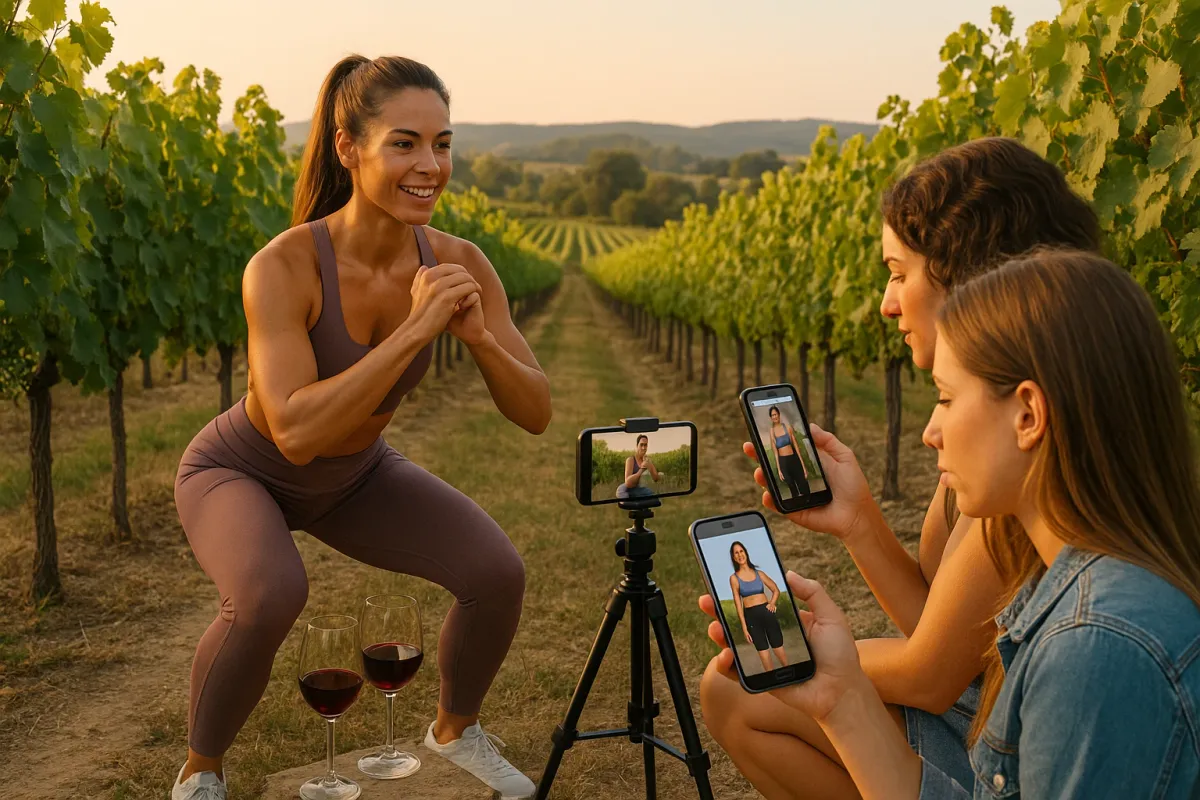
Digital culture is having an unexpected moment among the vines. As social media celebrates dramatic body transformations and wellness journeys—like the viral compilation of inspiring before‑and‑after photos trending this week—luxury vineyards are reimagining what it means to “escape” to wine country. The focus is shifting from indulgence alone to a more nuanced vision of pleasure: one that honors the body, the land, and time itself.
For discerning travelers, this is not about detox retreats or dry January in disguise. It’s about a new kind of vineyard visit where great wine coexists with intentional living, where the tasting room feels less like a bar and more like a gallery of craft, and where your experience respects the work you’re doing on your own health and shape—without compromising on elegance or flavor.
Below are five quietly luxurious shifts that serious wine enthusiasts, especially those tuned into today’s body-transformation conversations, will recognize and appreciate.
Precision, Not Excess: The New Luxury of Measured Tasting
As social feeds fill with people documenting months and years of disciplined change, the old cliché of “too many pours in the tasting room” looks increasingly dated. Premium estates in regions from Napa and Sonoma to Bordeaux and Tuscany are responding with a more precise, almost couture approach to tasting.
You’ll notice smaller, impeccably measured pours—often 1–1.5 ounces—served in glassware chosen specifically for aromatic clarity, not volume. Flights are curated around narrative rather than quantity: a vertical of a single vineyard Cabernet across five vintages, or a terroir study comparing Chardonnay from different parcels. Hosts are trained to speak about savoring, not consuming, focusing on texture, structure, acidity, and finish. The result is profoundly satisfying for enthusiasts tracking both their palates and their macros: you leave with a deeper understanding of the wines, yet without that foggy, unfocused fatigue that undermines both memory and motivation.
Vineyard Walks as a Living Cellar Book
The same cultural shift that celebrates visible physical progress is also elevating the value of witnessing process in real time. Just as transformation posts show the “before, during, and after,” leading wineries are inviting guests into the “during” of wine—out in the vines, not just at the bar.
Guided vineyard walks, once an optional add‑on, are becoming central to the visit. Expect thoughtfully paced routes that marry gentle movement with sensory education: the feel of a limestone outcrop underfoot, the scent of cover crops after rain, the sight of canopy management in midsummer. In Burgundy and Champagne, some domaines now structure appointments around the vineyard’s physiological moment—bud break, flowering, veraison—rather than just the calendar. For guests who live by progress photos and data graphs, seeing a block evolve across seasons resonates deeply; the vineyard becomes a living metaphor for gradual, purposeful change, rather than a backdrop for a single glamorous snapshot.
Pairings That Respect the Body as Much as the Bottle
If today’s most shared transformation stories are about balance, then so too are the most interesting vineyard culinary programs. The newest wave of wine-country dining quietly departs from the heavy, butter‑laden pairings that once dominated “special occasion” meals, opting instead for compositions that let both the wine and the guest feel lighter, sharper, more awake.
At forward-thinking estates in California’s Central Coast, the Douro Valley, and New Zealand’s Central Otago, you’ll find pairings built around clean lines: grilled line‑caught fish with a saline Albariño, charred seasonal vegetables with a nervy Syrah, delicately seasoned crudo with a taut grower Champagne. Portioning is intentionally modest but meticulously plated, designed to allow a full progression of wines without the physical weight that once felt obligatory. For guests integrating strength training, macro‑focused eating, or simply a more conscious approach to food, this refinement honors the discipline they practice at home while still delivering the aesthetic and gustatory thrill expected from a top-tier winery visit.
Quiet Data: How Smart Hospitality Honors Modern Rituals
The same people documenting their physical evolution are also tracking sleep, heart rate, and recovery with almost clinical precision. Savvy wineries and wine-country hotels—particularly in tech‑adjacent regions like Napa, Willamette Valley, and parts of South Africa’s Cape Winelands—are quietly taking note, building experiences that harmonize with these new rituals.
Late‑morning tasting appointments cater to those who prioritize early workouts and unhurried breakfasts. More estates are offering sparkling water pairings, low‑alcohol cuvées, or precisely timed “library tasting + sunset walk” combinations that minimize late‑night overindulgence. Some high‑end lodges now integrate vineyard views directly into yoga platforms and lap pools, allowing guests to maintain their training rhythms while immersed in landscape. Importantly, this isn’t marketed as “wellness tourism” in a gimmicky sense; instead, it’s a subtle acknowledgment that the modern wine traveler is as likely to arrive with a training app on their phone as a decanter in their luggage.
Story Over Spectacle: A More Intimate Luxury
If viral transformation posts teach anything, it is that the most compelling journeys are personal, specific, and quietly consistent—not driven by spectacle alone. The same principle is reshaping premium vineyard hospitality right now. The loudest, most ostentatious experiences are giving way to spaces that privilege conversation, detail, and a sense of earned discovery.
Look for appointment‑only tastings hosted by the winemaker or vineyard manager themselves, where barrel samples are poured not as a party trick but as a masterclass in tannin development. Library rooms lit softly, lined with back‑vintage bottles and hand‑written vineyard maps. Limited‑capacity tours that replace tour-bus commentary with in‑depth discussions of pruning choices, clonal selection, and soil profiles. This is luxury tuned to the discerning enthusiast who understands that meaningful change—whether in a body, a brand, or a vineyard—happens out of the spotlight, through thousands of intelligent decisions made over time.
Conclusion
As social media celebrates people reshaping their bodies and lives with intention, the world’s most thoughtful vineyards are evolving in parallel. The most compelling wine country experiences of this moment do not deny indulgence; they refine it. Precision in the glass replaces excess. Vineyard walks become a ritual of connection, not a photo op. Culinary pairings respect the discipline guests bring with them. Hospitality bends, almost imperceptibly, around the rhythms of a more measured life. And in the quiet of a barrel room or on a hillside at golden hour, you discover that the true luxury of a vineyard visit today is not escape from your daily practices, but a beautifully crafted extension of them.
Key Takeaway
The most important thing to remember from this article is that this information can change how you think about Vineyard Visits.