There is a moment, somewhere between the first swirl and the last lingering finish, when a wine tour stops being an itinerary and becomes an experience. For discerning travelers, wine travel is no longer about ticking off famous estates; it is about orchestrating a choreography of place, palate, and quiet precision. At Wine Tour Adventures, we believe a truly elevated wine tour is not simply booked—it is curated. The following insights are designed for enthusiasts who want more than a tasting; they seek a narrative, a sense of belonging, and the subtle privilege of seeing the world’s great wine regions at their most authentic and refined.
Designing a Narrative, Not a Checklist
Most wine itineraries begin with a map; the best ones begin with a mood. Rather than asking, “Which wineries should I visit?”, start with, “What story do I want this journey to tell?” Perhaps you are intrigued by the tension between heritage and innovation in a region like Bordeaux, or drawn to the elemental purity of high-altitude vineyards in Mendoza.
Once you have a narrative thread, each visit, tasting, and meal can be chosen to serve that story. A vertical tasting of a single estate’s vintages might trace the arc of a winemaker’s philosophy over time, while a series of terroir-focused flights in Burgundy can reveal how minor shifts in exposition and soil deliver major shifts in character. By the end of the tour, you are not just returning with bottles; you are returning with a coherent impression of a region’s soul, distilled through carefully orchestrated encounters.
Insight 1: The True Luxury Window—Visiting Between the Seasons
The high season reveals a region’s energy; the shoulder season reveals its character. Wine travelers often default to harvest time, imagining sun-soaked days with grapes heavy on the vine. Yet the most privileged experiences often occur in the quiet intervals before and after the rush, when cellar doors are less crowded, winemakers are less hurried, and hospitality teams have time for unscripted conversations.
In late winter or early spring, you may glimpse winemaking in its most contemplative phase: lees stirring in barrel rooms, blending decisions being debated at long tables, and new vintages taking shape. In late autumn, after the harvest frenzy, there is a gentle exhale—cellars are busy but not frantic, and hosts are more inclined to open limited cuvées or explore off-list tastings. For the enthusiast, these in-between moments can feel like a private viewing of a masterpiece, unhurried and exquisitely intimate.
Insight 2: The Unseen Stage—Tasting Rooms vs. Production Spaces
Tasting rooms are designed to charm; production spaces are designed to reveal. An elevated wine tour seeks a balance between the two. While a beautifully appointed salon with crystal stemware and curated playlists sets a refined tone, it is in the fermentation rooms, barrel halls, and lab spaces where the true character of a winery comes into view.
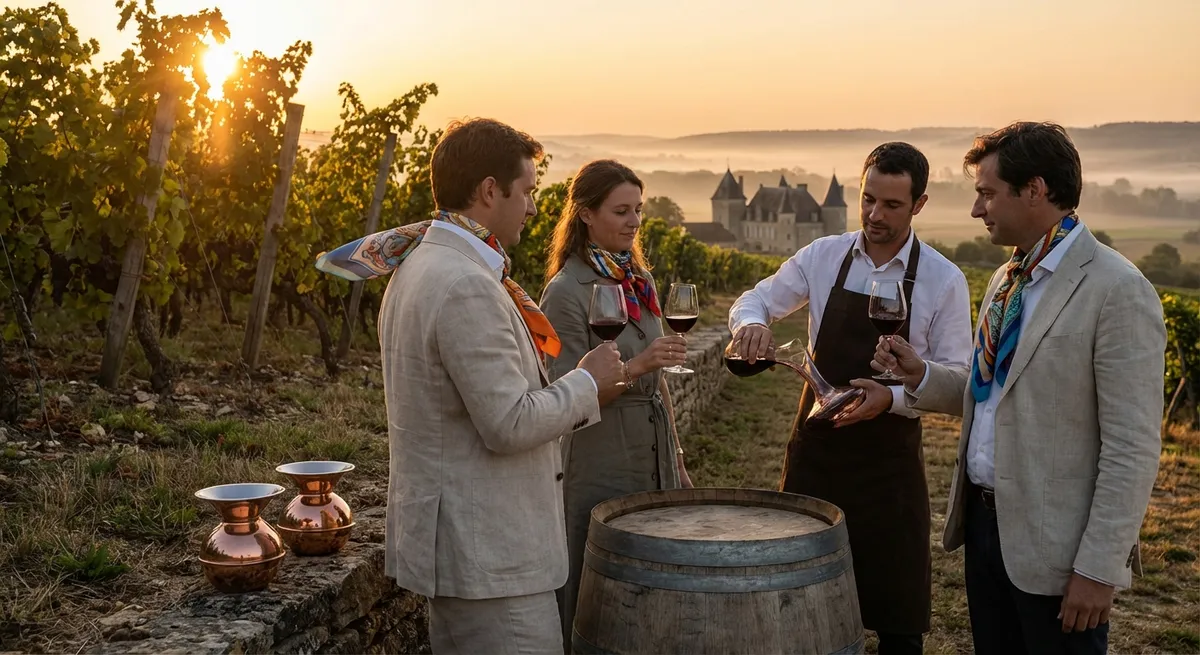
Request experiences that move beyond the standard bar-top flight: a guided walk through the vineyard blocks you are tasting from; a comparative barrel sampling of the same wine in different oak regimens; or a side-by-side of pre- and post-blending components. These encounters are less about spectacle and more about understanding nuance—acidity decisions, tannin management, and aging philosophies. Observing how meticulously (or casually) these spaces are maintained often tells you as much about the winery’s ethos as the final wine in your glass.
Insight 3: The Art of the Comparative Glass
For seasoned enthusiasts, refinement lies in context. A single wine can be beautiful; multiple wines in deliberate dialogue can be transformative. When planning your visits, seek out opportunities for structured comparative tastings rather than isolated samplings.
Imagine tasting the same grape variety across three altitudes in the Douro, or a sequence of Champagne cuvées that isolates differences in dosage, aging, and vineyard sourcing. Ask about flights that illustrate specific questions: How does whole-cluster fermentation alter the aromatic profile of Pinot Noir? What does extended lees aging do to the texture of traditional-method sparkling wines? By approaching your tour as a series of thoughtfully linked comparisons, you train your palate to perceive details that casual tourists never notice—and you leave with a deeper, more technical appreciation of what you are drinking.
Insight 4: Pairing the Table to the Terroir
Fine wine is eloquent on its own; with the right cuisine, it becomes symphonic. A premium wine tour considers the culinary landscape not as an add-on, but as a parallel journey. Rather than defaulting to the most acclaimed restaurant in the region, look for places where the chef is in genuine dialogue with local producers and winemakers.
This might mean a multi-course pairing menu that responds to micro-seasonal produce, or a private lunch in a winery’s garden prepared by a local chef who understands the estate’s portfolio intimately. Consider one meal dedicated to classic regional pairings—the dishes that shaped local wine styles—and another devoted to more experimental combinations that challenge traditional rules. Observing which wines find new dimensions with unexpected pairings can shift the way you buy, cellar, and serve bottles for years to come.
Insight 5: Private Time with the People Behind the Label
In an era of polished hospitality, the rarest luxury is still access. The most memorable visits are often defined not by architecture or exclusivity, but by unhurried time with the people who make decisions: the winemaker, the vineyard manager, or a multi-generational proprietor.
When arranging a tour, inquire specifically about experiences that include guided tastings led by these key figures, even if it means fewer stops in your day. A single hour listening to a grower explain why they refused a trend in favor of their own quiet conviction can illuminate an entire region. These conversations can also introduce you to limited cuvées, experimental bottlings, or library releases that never appear on standard tasting lists. Over time, these relationships transform you from visitor to returning friend, and your cellar becomes a record of personal connections as much as great vintages.
Curating Your Own Signature Wine Journey
A refined wine tour is less about luxury as display and more about luxury as discretion: thoughtful pacing, meaningful access, and experiences that feel tailored rather than templated. Begin with a narrative, travel in the quieter seasons when possible, prioritize depth over volume, and seek spaces where you are treated as a serious enthusiast rather than a passing guest.
Ultimately, the most rewarding wine journeys are those that recalibrate your senses and your standards. They leave you tasting more attentively, choosing more deliberately, and traveling with a heightened awareness of the craft, care, and time behind every remarkable bottle. At that point, your tour has done more than entertain; it has refined the way you experience wine itself.
Sources
- [Wine Institute – World Wine Tourism Trends](https://wineinstitute.org/our-industry/trade-resources/wine-tourism/) – Overview of wine tourism patterns, seasonal considerations, and regional insights
- [UC Davis Department of Viticulture and Enology](https://wineserver.ucdavis.edu/) – Educational resources on viticulture, winemaking practices, and sensory evaluation
- [GuildSomm – Educational Articles](https://www.guildsomm.com/public_content/articles) – In-depth discussions on terroir, winemaking styles, and comparative tasting approaches
- [Decanter – Wine Travel Guides](https://www.decanter.com/wine-travel/) – Expert coverage of leading wine regions, estates, and gastronomic experiences
- [Institute of Masters of Wine – Knowledge & Resources](https://www.mastersofwine.org/knowledge) – Authoritative insights into wine production, regional styles, and tasting methodology
Key Takeaway
The most important thing to remember from this article is that this information can change how you think about Wine Tours.