There is a moment—often just after the first pour—when you realize a winery is operating on a different level. The pacing slows, the soundscape softens, and every detail, from the glassware weight to the temperature of the room, feels deliberately composed. Premium wineries rarely announce their luxury; they choreograph it. For discerning wine travelers, recognizing these subtleties transforms a simple visit into a truly memorable experience.
At Wine Tour Adventures, we seek out these quiet indicators of excellence—those refined touches that never appear on a tasting menu yet define the character of an estate. The following insights reveal how premium wineries signal their commitment to craftsmanship, hospitality, and a sense of place long before you see a bottle price.
The Art of Arrival: How the Welcome Sets the Tone
At a truly premium winery, your experience begins well before the first sip. Notice how you are greeted: is there a sense that your visit has been anticipated, not merely accommodated? Top estates often limit daily appointments, allowing staff to recognize your name, know your preferences from prior visits, and tailor the pacing of the tasting accordingly. The welcome is unhurried, free of scripted introductions, and grounded in genuine curiosity about what brings you there.
Even the route you take from entrance to tasting space is intentional. A meandering path through vineyards or a quiet courtyard before entering the cellar is not just aesthetic; it recalibrates your senses from travel mode to tasting mode. Details such as a discreetly offered water station upon arrival, a thoughtfully chosen pre-tasting pour to “set your palate,” or a seat positioned to capture the best vineyard view all signal that the journey has been designed, not improvised. At this level, hospitality is not performance—it is choreography.
Glassware, Temperature, and Light: The Hidden Architecture of Taste
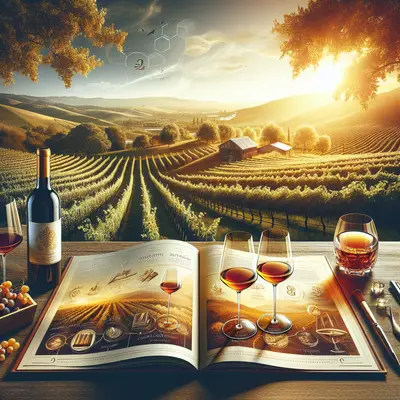
Premium wineries understand that the environment is as important as the wine itself. Pay attention to the glass in your hand. Is it varietal-specific, feather-light, and impeccably polished? High-end estates invest in elevated stemware not as a status symbol, but as a precision tool: shape, rim diameter, and bowl volume are carefully selected to showcase aromatics and texture. The wine’s serving temperature is equally telling—great wineries will allow a structured red to open gracefully rather than rushing it into your glass too warm.
Light and sound are also deliberate choices. Natural light that flatters the wine’s color without glare, and acoustics that allow for conversation without strain, reflect an understanding that sensory overload dulls perception. Background music, if present at all, is calibrated to enhance mood, not dominate it. When a winery quietly manages these variables—temperature, glassware, light, and sound—it is signaling reverence for the wine and respect for your ability to fully perceive it.
Beyond the Tasting Flight: Stories Only the Cellar Can Tell
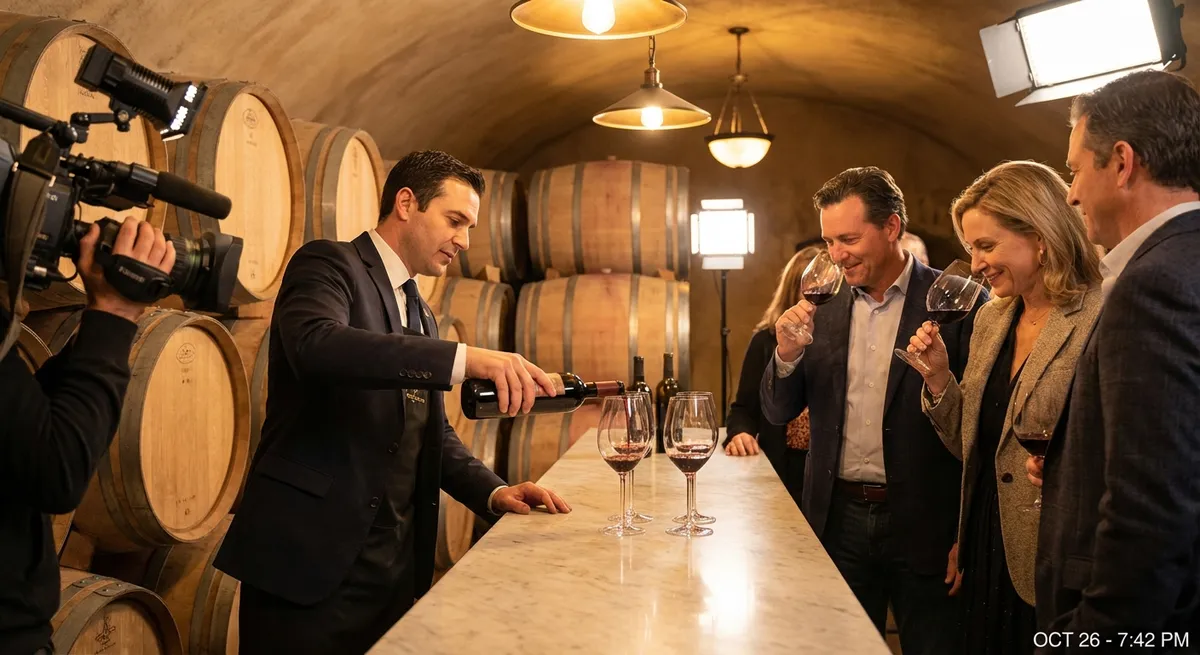
Premium wineries treat each visit as an opportunity to go deeper than the label. Rather than reciting rehearsed notes about “blackberry and spice,” they invite you behind the curtain of their decisions: why they favor a particular clone, how a change in pruning has shifted tannin texture, or what led them to favor large-format oak over barriques. The conversation moves gracefully from what is in the glass to how and why it came to be that way.
Often, this shows up as access rather than spectacle. A barrel sample quietly offered alongside the finished vintage, a side-by-side of two vineyard plots from the same hillside, or a taste of an experimental cuvée not yet released—all are signs that the winery trusts your curiosity. The emphasis is not on rare bottles to impress, but on context to enlighten. This level of transparency requires confidence: the winery is not merely showcasing its successes, but sharing its ongoing pursuit of refinement, vintage after vintage.
Vineyard as Philosophy: How the Landscape Reveals Intent
For premium wineries, the vineyard is not a backdrop—it is the thesis. Look carefully at the vines themselves. Are row orientations, cover crops, and canopy management clearly intentional? Do you see biodiversity—olive trees, wildflowers, old stone walls—that indicates long-term stewardship rather than cosmetic landscaping? Estates that speak fluently about soil types, rootstock choices, and microclimates are signaling that terroir is not marketing language; it is their operating manual.
A thoughtful guide will naturally incorporate the landscape into your tasting, perhaps pausing at a particular block to pour the wine that originates there, inviting you to connect slope and exposure with flavor and structure. Subtle details—boots by the cellar door, pruning shears resting on a barrel, a map annotated with historical plantings—suggest a working vineyard, not a staged set. The more the experience helps you read the land, the more you begin to taste not just a wine, but a place.
Time as the Ultimate Luxury: The Unhurried Pace of True Hospitality
The rarest luxury in wine tourism is not an exclusive label; it is unhurried time. Premium wineries understand that great tastings unfold, they are not rushed. Notice whether your host watches the clock or watches your glass. Do they sense when you are ready for the next pour, or when a question might lead to a deeper conversation? The best experiences have a rhythm that feels bespoke, not standardized.
This temporal generosity also appears in the wines themselves. Extended aging before release, library vintages shared selectively, and vertical tastings that span decades all require patience and restraint from the winery. When an estate is willing to pour older wines alongside younger ones, it is inviting you into a long narrative arc rather than a single chapter. By the time you leave, you should feel not that you have completed a transaction, but that you have stepped briefly into the winery’s timeline—past, present, and future.
Conclusion
Premium wineries do not rely on grand gestures to convey their status; they rely on precision. From the way you are welcomed to the way a single parcel’s story is poured into your glass, each detail reflects a philosophy of care, craftsmanship, and quiet confidence. As you plan your next journey with Wine Tour Adventures, look beyond the familiar markers of prestige and begin to notice these subtler signals. The most rewarding experiences are often found not in what is said about a winery, but in how it makes you feel the moment you cross the threshold—and in the way you continue to think about that visit long after the last sip.
Key Takeaway
The most important thing to remember from this article is that this information can change how you think about Premium Wineries.