A truly refined wine tasting is less an event and more a quiet choreography of place, timing, and intention. It is the art of arranging small, impeccably chosen details so that every glass feels inevitable—never accidental. For the discerning traveler, the goal is no longer to taste more wine, but to taste wine better: with context, with focus, and with an appreciation for nuance that most tours simply rush past.
This is the realm where appointments are arranged with care, where the vineyard’s light at 4 p.m. matters as much as the vintage, and where conversation with the winemaker becomes as memorable as the wine itself. Below, you’ll find five exclusive insights designed for enthusiasts who are ready to elevate their experience from pleasant to genuinely remarkable.
Setting the Stage: Composing the Tasting Before the First Pour
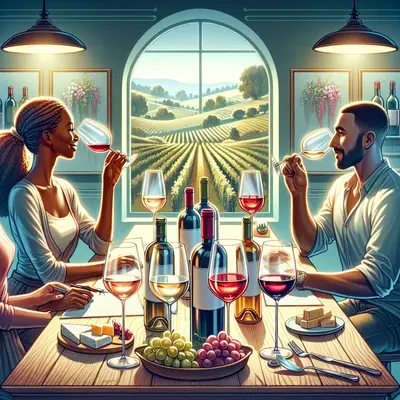
The sophistication of a wine experience is often decided long before the first cork is pulled. The most rewarding tastings are curated with the same precision as a tasting menu—thoughtfully sequenced, context-rich, and unhurried.
Begin by considering your purpose: Are you exploring a single producer in depth, comparing terroirs within one region, or tracing a specific grape across different appellations? Answering this defines everything from appointment length to the ideal number of wines. A focused range—five to eight wines—allows enough breadth to perceive style and progression without overwhelming the senses.
Equally important is the ambiance. Natural light, neutral surroundings, and minimal ambient scent (no candles, no heavy perfume) create an invisible framework that sharpens perception. Temperature control—both of the room and the wines—is a quiet luxury many travelers underestimate. A white poured slightly too cold, or a red edging toward warm, can dull the finesse of even the most meticulously crafted bottle. When booking private or semi-private tastings, inquire about serving conditions and environment; the most serious estates will welcome these questions as a sign of genuine interest, not pretension.
The Architecture of a Flight: Vertical, Horizontal, and Narrative Tastings
The way wines are sequenced can transform a tasting from a simple lineup into an intellectual and sensory journey. Sophisticated wine travelers increasingly seek structure—a narrative arc in the glass.
A vertical tasting (multiple vintages of the same wine from one producer) reveals the slow, graceful evolution of a style: how a cool, restrained vintage compares to a sunnier year; how tannins resolve over time; how winemakers refine their approach. This is a privileged view into a single estate’s memory and philosophy.
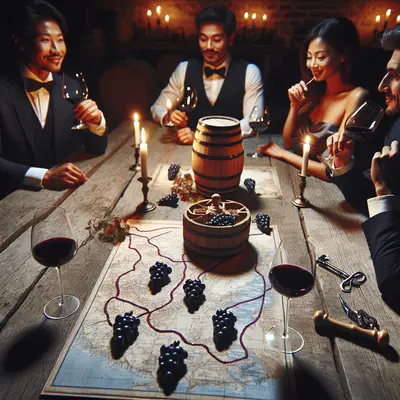
A horizontal tasting (the same vintage across different vineyards or producers) illuminates terroir and regional personality. It’s an exercise in attention: soil type, exposure, and microclimate whisper their differences when context is carefully controlled.
Beyond these classical formats, consider narrative tastings that follow a theme: old vines versus young, native yeasts versus cultured, or estate-grown fruit versus purchased grapes. Enthusiasts who request such structures typically unlock more engaged conversation with winemakers and sommeliers, transforming a simple visit into a masterclass tailored to their curiosity.
Precision Tasting: Five Exclusive Insights for the Attentive Enthusiast
For those already familiar with basic tasting technique, these nuances offer a more elevated lens through which to experience each glass:
Observe the “Temperature Window,” Not Just the Serving Temperature
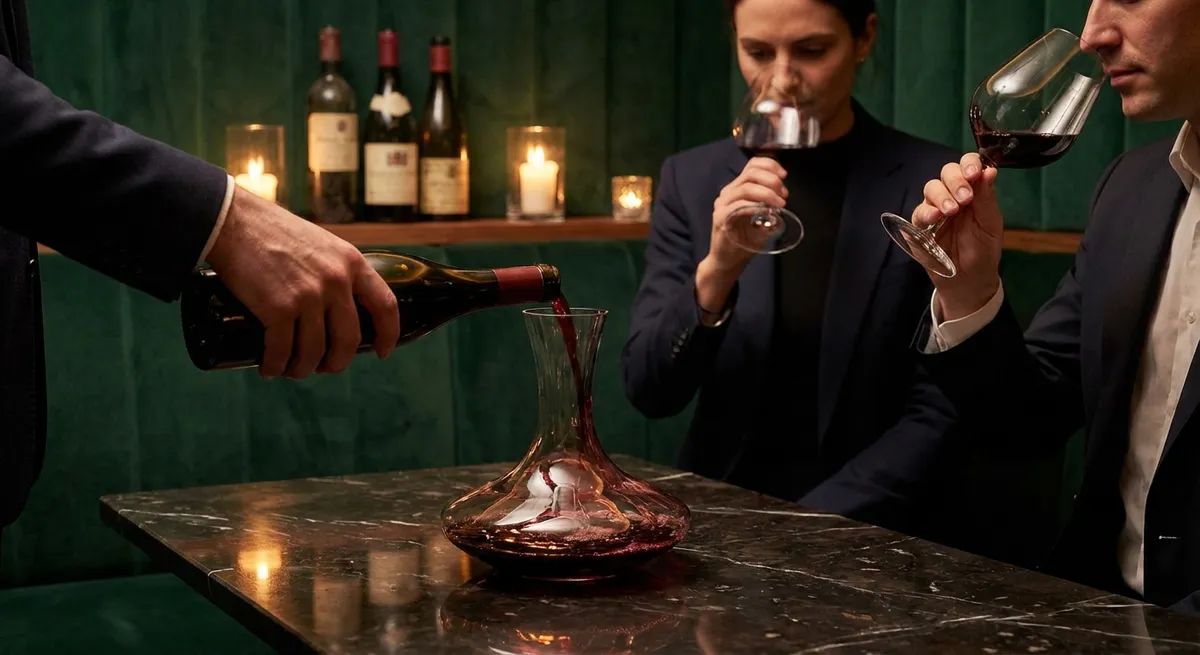
Wines are often served at a single temperature, but they evolve in the glass. Notice how a Chardonnay moves from restrained and mineral-driven when just chilled to more expressive and textural as it warms slightly in your hand. Instead of rushing to the next pour, revisit the same wine after five to ten minutes. The most complex bottles reveal their character in stages, not all at once.
Listen for the Mid-Palate, Not Just the Finish
Many enthusiasts praise a wine’s long finish, but the mid-palate—the core of flavor and texture between the first impression and the aftertaste—is where true balance resides. Focus on what happens in that center: Does the wine hollow out, or does it carry its aromatics and structure seamlessly through? Premium wines tend to “fill” the mid-palate with depth, subtle layering, and an effortless sense of continuity.
Distinguish Between Oak Presence and Oak Integration
Noticing oak influence is easy; assessing its integration is a more advanced pleasure. Rather than asking “Is there oak?” consider whether spice, toast, or vanilla notes feel like an overlay—or if they have merged so completely with the fruit that you perceive them as texture and structure rather than a separate flavor. High-quality, judicious oak elevates shape and length; lesser applications sit on top like a separate accent.
Trace the Acid Line as a Structural Signature
In refined wines, acidity is not merely “high” or “low”; it functions like the invisible architecture holding everything in place. Notice how freshness appears: Does it manifest as a straight, focused line from front to back, or as a gentle lift at the finish? In white wines from cooler climates, acidity can feel like a taut wire of energy; in elegant reds, it may appear as a subtle, mouthwatering rhythm that keeps you reaching back for another sip without heaviness.
Evaluate Texture as Carefully as Flavor
Texture is often where luxury resides. Beyond tannin and body, consider whether the wine feels powdery, silky, chalky, pliant, or crystalline. In premium expressions, texture often shifts as the wine opens: a structured red may soften into suede-like tannins; a high-end sparkling wine may move from angular to enveloping with more air. Asking your host about the role of pressing, lees aging, or maceration can reveal how deliberately these textures were crafted.
Conversations That Matter: Engaging Winemakers and Sommeliers
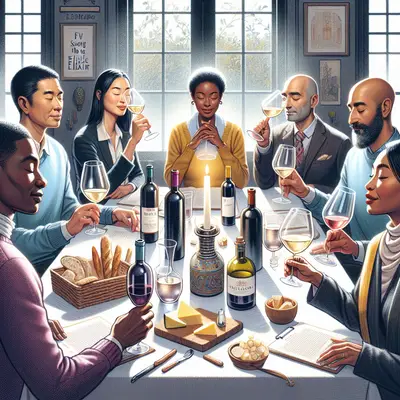
The most memorable tastings are conversational, not transactional. In regions where hospitality has become streamlined, asking thoughtful questions is a subtle way to signal that you are there for more than a quick sampling. This often unlocks bottles off the standard list, longer pours, or impromptu cellar visits.
Rather than asking only about “favorite wines” or “best vintages,” frame your curiosity around intent and constraint: Which parcel is the most challenging to farm? How has their philosophy shifted over the last decade? What decision do they find most critical in a challenging year—picking date, extraction, or blending? These precise questions invite more nuanced answers and demonstrate appreciation for the complexity behind each glass.
Sommeliers, too, are invaluable guides. When tasting at restaurants or urban tasting rooms, share not only what you like, but why—texture preferences, tolerance for oak, willingness to explore unfamiliar regions. A skilled sommelier can then design a progression that mirrors a bespoke winery visit, often introducing you to producers that rarely appear on typical tourist itineraries.
Curating Your Own Archive: Memory, Notes, and Re-Tasting
In an era where every bottle can be photographed and logged in seconds, the true luxury lies in the quality of remembrance, not its volume. Instead of stock phrases in a tasting app, consider a personal shorthand that captures what mattered most in the moment: the texture, the emotional tone (contemplative, exuberant, restrained), the specific context—sunset on the terrace, a barrel sample in a cool stone cellar, a vertical shared with the winemaker.
Re-tasting is where your palate genuinely matures. If you encounter a wine that captivates you during a tour, acquire two or three bottles with intention: one to enjoy soon, one to open in a few years, and—if the wine warrants it—one to keep longer-term. Returning to the same wine across time and setting allows you to perceive not only the bottle’s evolution but your own. Few experiences in wine are more rewarding than recognizing a producer’s “handwriting” instantly, years after your visit, simply from the glass.
As your archive grows, think in terms of stories, not trophies: the small estate visited on a rainy weekday when you were the only guest, the family who poured an extra bottle “just because,” the vintage that exceeded all expectations. These are the quiet luxuries that no rating or review can fully convey—and the memories that make each future tasting richer.
Conclusion
Elevated wine tasting is not defined by exclusivity for its own sake, but by deliberateness—the careful orchestration of place, people, and attention. When you refine how you taste, you transform every visit, whether to a legendary château or a modest family domaine, into an experience worthy of reflection.
By approaching each glass with structure, curiosity, and sensitivity to the subtleties of temperature, texture, architecture, and time, you move beyond simple preference toward true discernment. In that shift, wine ceases to be just a pleasure of the moment and becomes a quietly unfolding journey—one that rewards you more deeply with every thoughtfully chosen sip.
Sources
- Wine Tasting: A Professional Handbook – UC Davis (Ann C. Noble) - UC Davis overview of structured wine tasting and sensory evaluation, including the famous aroma wheel.
- Institute of Masters of Wine – Understanding Wine Structure - In-depth discussion of acidity, tannin, balance, and wine architecture from a leading professional body.
- The Wine Scholar Guild – The Concept of Terroir - Detailed explanation of terroir and how soil, climate, and site expression manifest in the glass.
- Decanter – How to Taste Wine Like a Professional - Practical yet advanced tips on professional tasting techniques and evaluating fine wines.
- Wine Spectator – The Role of Oak in Winemaking - Authoritative overview of oak influence, integration, and its impact on wine flavor and texture.
Key Takeaway
The most important thing to remember from this article is that this information can change how you think about Wine Tasting.