There is a moment, just before the first sip, when everything falls quiet: the weight of the glass in your hand, the way the light catches the rim, the scent unfolding in concentric layers. Premium wineries are built around this moment. They are not simply places that produce fine wine, but carefully orchestrated environments where architecture, viticulture, and hospitality converge into a single, seamless experience. For travelers who seek more than a tasting flight—who crave nuance, discretion, and depth—understanding what truly sets these estates apart is the key to curating unforgettable wine journeys.
The Architecture of Calm: When Design Becomes Part of the Wine
At the world’s most coveted wineries, the building is not a backdrop; it is an active contributor to your experience of the wine. Many esteemed estates collaborate with leading architects to create structures that manage light, sound, and flow as meticulously as they manage fermentation temperatures.
Subdued entrances give way to soaring barrel halls where the acoustics are hushed, encouraging conversation to narrow to the glass. Natural materials—stone, oak, clay—mirror the textures of the surrounding landscape, reinforcing a sense of place before the first pour. Carefully framed vineyard views are rarely accidental; they’re calibrated sightlines designed to link what is in your glass with the slope, exposure, and soil beyond the window.
Temperature-controlled tasting salons ensure that wines are served at precise degrees, with glassware selected not just by brand, but by bowl shape, rim diameter, and balance in hand. In these spaces, architecture functions as a quiet guide, moving you from curiosity to contemplation and elevating each sip into a considered act.
Exclusive Insight #1:
Truly premium estates treat their tasting rooms like sensory laboratories—lighting, acoustics, and even wall color are curated to reduce distraction and sharpen your perception of aroma and texture.
Beyond Terroir: The New Language of Vineyard Precision
“Terroir” has long been the vocabulary of fine wine, but premium wineries are now operating on a level of precision that extends well beyond traditional descriptors. These estates are mapping vineyards in segments sometimes smaller than a single acre, using advanced tools—from soil conductivity scans to localized weather stations—to understand micro-variations in their plots.
This granular approach allows for tailored canopy management, irrigation (where permitted), and harvest timing. The same hillside may be picked several times over, with parcels harvested at different moments to capture a spectrum of aromatic brightness and textural depth. Cover crops are selected not only for soil health but also for how they influence beneficial insects and regulate vine vigor across specific rows.
In the cellar, these parcels may be vinified separately, giving winemakers a palette of components that can be blended with surgical precision. The final wine becomes a composed narrative of dozens of micro-decisions, rather than a broad stroke of terroir.
Exclusive Insight #2:
At top-tier properties, single-vineyard wines often conceal an intricate internal mosaic—sometimes more than 20 distinct micro-parcels and fermentations are woven into what appears on the label as a single, seamless cuvée.
The Art of Time: Cellar Programs That Shape Character, Not Just Age
Time, in premium wineries, is not just a matter of years on a label; it is a medium that is shaped as thoughtfully as grape clusters on the vine. Leading estates design their cellar programs as multi-decade projects, often guided by an archive of older vintages that act as both compass and restraint.
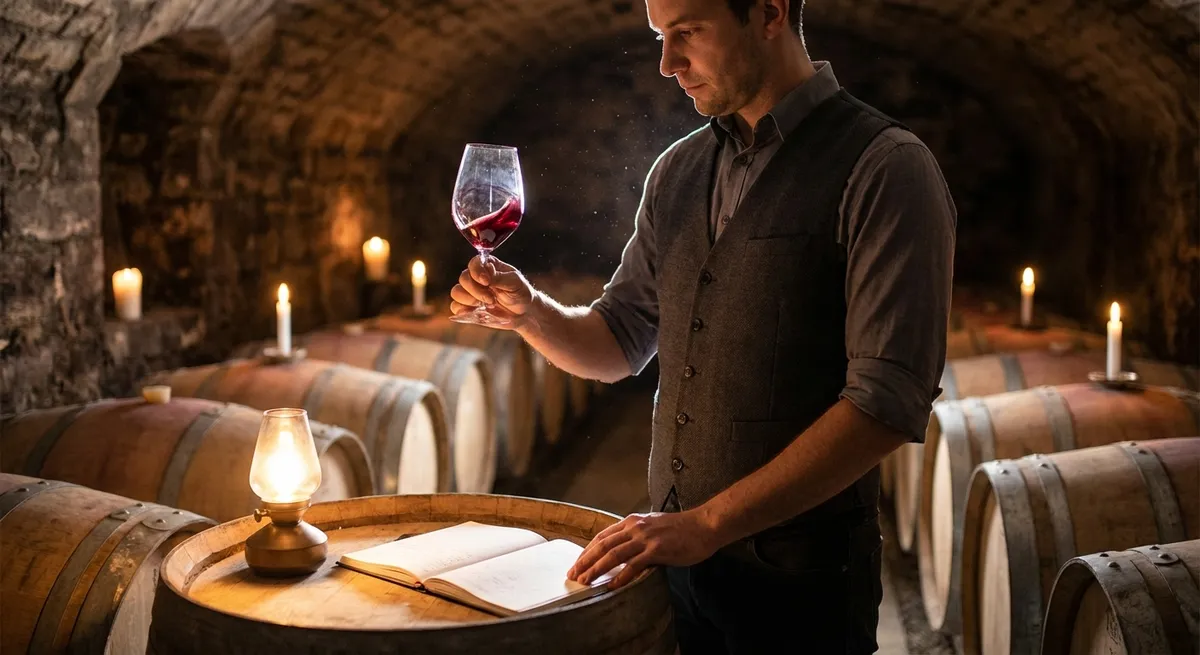
Barrel choices are rarely generic. Cooperage, forest origin, grain tightness, and toast level are selected vintage by vintage, cuvée by cuvée. Some wines pass through different vessel types—concrete eggs, amphorae, large neutral foudres—before they ever see a bottle, each stage moderating texture and aromatic expression. Oxygen management becomes a fine instrument: microscopic exposure through wood, deliberate racking, and choices around lees contact create the difference between a wine that is merely impressive today and one that unfolds gracefully over decades.
Visitors who are given access to library collections can witness this evolution directly: how a once-structured young red has gained suppleness, or how a mineral-driven white has acquired notes of honey, nuts, and truffle as it matures.
Exclusive Insight #3:
Many elite wineries quietly taste their back vintages against current releases before setting final blends—older bottles serve not only as heritage but as benchmarks to ensure stylistic continuity across generations.
Hospitality as Craft: When Service Mirrors the Wine
In premium wineries, hospitality is treated as a parallel craft to winemaking—equally honed, equally intentional. The best estates invest in teams who hold advanced wine certifications, speak multiple languages, and understand not only their own portfolio, but the broader landscape of global fine wine.
Tastings are increasingly structured as guided conversations rather than scripted presentations. Guests are asked about their preferences, experiences, and curiosities, and the flight is often adjusted in real time—adding a library vintage here, a limited cuvée there. Service pacing is carefully modulated: generous pauses to contemplate a rare bottling; shorter intervals to preserve the freshness of a delicate white or sparkling wine.
Details signal the caliber of the experience: decanting times tailored to the specific vintage, a second glass poured side-by-side for comparison, or the quiet substitution of a new glass the moment a minor imperfection is noticed. Even tour routes are choreographed to minimize overlap with other groups, preserving a sense of privacy and calm.
Exclusive Insight #4:
At truly top-tier wineries, the tasting sequence is rarely fixed—even for “standard” experiences. The most refined hosts subtly adjust the order, serving temperatures, and glassware as they read your palate and engagement.
From Allocation to Relationship: The New Currency of Access
For collectors and dedicated enthusiasts, one of the defining luxuries of premium wineries is not only owning the wine, but belonging to the circle that can access it. Entry into allocation lists, private releases, and invitation-only events has become a modern currency of status—yet the most thoughtful estates are reframing this as a relationship, not a transaction.
Purchasing history is just one element. Wineries may prioritize guests who show genuine curiosity—those who take time to visit, to taste thoughtfully, to learn about the estate’s history and farming. Personalized notes from the winemaker, early previews of upcoming vintages, and invitations to intimate dinners or harvest experiences are reserved for those who engage deeply, not just frequently.
Digital tools have refined this exclusivity further. Private online portals reveal small-batch bottlings that never appear in general distribution. Tailored recommendations are sent to clients based on their cellaring conditions, food preferences, and travel habits. The result is a quiet, enduring conversation between estate and enthusiast, carried over years and vintages.
Exclusive Insight #5:
In the most coveted programs, access is increasingly earned through demonstrated engagement—visits, thoughtful feedback, and genuine dialogue—rather than sheer volume of purchases.
Conclusion
Premium wineries are not defined solely by price or rarity, but by intention. Their greatness is woven into every choice: the way a vineyard row is pruned, a barrel is selected, a tasting is paced, or a guest is welcomed. For the discerning traveler, understanding these invisible signatures transforms a winery visit from a pleasant outing into a layered, resonant experience—one that lingers in memory long after the final glass is empty.
For those who seek to explore wine at its most considered and expressive, the true luxury lies in noticing what others overlook: the silence of a well-designed cellar, the precision of a single parcel, the grace of a host who understands exactly how you like to discover a wine.
Sources
- Napa Valley Vintners – Oak, Aging & Barrels – Overview of barrel choices, oak origins, and their impact on wine style and aging.
- Bordeaux Wine Council (CIVB) – Terroir & Appellations – Detailed explanation of terroir, microclimates, and vineyard diversity in a classic fine-wine region.
- USDA – Cover Crops and Soil Health – Insight into cover crop strategies that many premium estates use to enhance vineyard soils.
- Wine & Spirit Education Trust (WSET) – Factors Affecting Wine Style – Educational resource on how viticulture, winemaking, and aging decisions shape quality and style.
- Harvard Business School – The Business of Luxury and Customer Experience – Explores how luxury brands, including wine estates, cultivate exclusivity and deep client relationships.
Key Takeaway
The most important thing to remember from this article is that this information can change how you think about Premium Wineries.