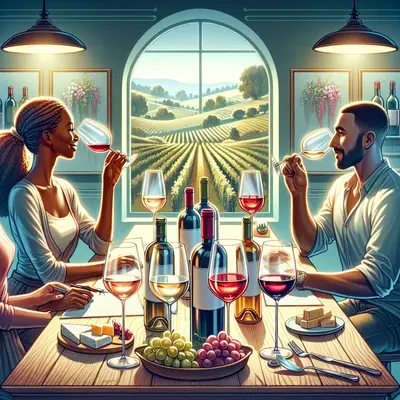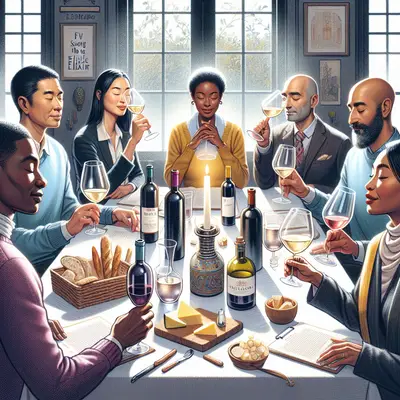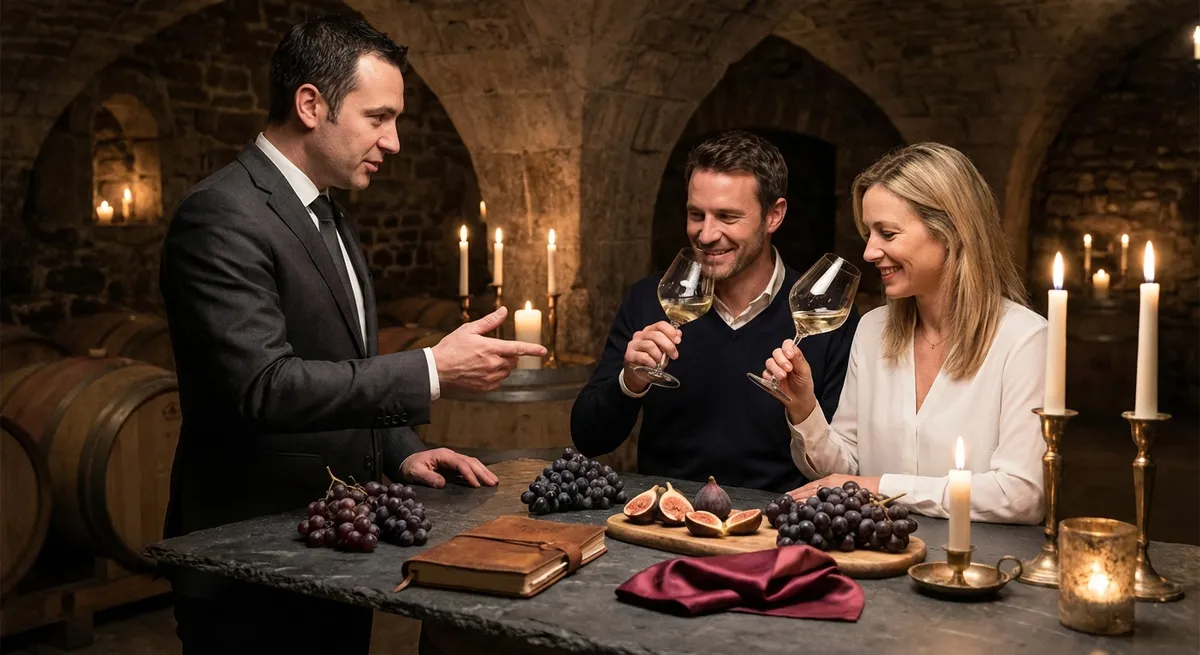
There is a moment, just before the first sip, when a tasting becomes something more than a sequence of glasses. It is the instant when attention sharpens, the room quiets, and wine turns from beverage to conversation. For the traveler who seeks not spectacle but substance, wine tasting is less about “likes” and more about layers—texture, tempo, and the quiet precision of well-made wine. This is an exploration for those who care about detail: how the light in the room, the shape of the glass, the timing of a pour, and the rhythm of the palate can transform a simple tasting into an elevated, memorable experience.
Below are five nuanced, rarely discussed insights that discerning enthusiasts can use to refine their tasting practice—whether in a grand chateau, a boutique urban cellar, or a private tasting salon.
The Quiet Power of Temperature Precision
In serious cellars, temperature is not an afterthought; it is an instrument. Subtle shifts of just a few degrees can reorder a wine’s entire architecture, bringing structure to the foreground or pushing fruit into retreat. Many tasting rooms aim for a safe, generic range, but the most thoughtful hosts calibrate by style and intent: a structured white at 10–11°C, an aromatic white slightly warmer, a young tannic red cooler than a plush, mature bottling.
When visiting wineries, note the discipline of their service. Are whites served almost too cold at first, allowing you to experience their evolution as they warm? Are high-tannin reds offered just below typical room temperature so the tannins feel refined rather than aggressive? Ask if they adjust temperature between flights; the response often reveals how deeply the estate thinks about hospitality and precision. At home, experiment systematically: taste the same wine over a 6–8°C range, noting when texture, aromatics, and balance are most harmonious. Over time, you’ll develop an intuitive sense of “ideal service temperature” that can be adapted on the fly in any tasting setting.
The Architecture of Texture: Beyond Tannins and Acidity
Most tastings emphasize fruit descriptors—cherry, citrus, stone, orchard, tropical. Refined palates, however, often begin by mapping texture. Texture is the architecture of a wine: the way it rests on the tongue, moves across the palate, and lingers in the finish. It is silk versus satin, velvet versus linen, chalk versus talc.
Start by isolating three dimensions: entry, mid-palate, and finish. Does the wine glide onto the palate or arrive with a precise, vertical line of acidity? Does the mid-palate feel hollow or beautifully filled out—what many sommeliers call “core” or “shape”? Does the finish fan out softly or tighten like a chord being drawn to a point? Even within tannins, look for fine distinctions: are they powdery, graphite-like, suede, or more like firm tea? With whites, pay close attention to what happens after you swallow—do you sense a chalky, mineral grip along the gums or just an ephemeral wash of fruit?
In tasting rooms that cater to a more informed audience, you may find staff quietly referring to “grain,” “tension,” or “line.” Engage them in that language. Ask which vineyard parcels produce the most defined texture and request to taste those cuvées side by side. For enthusiasts traveling with friends, it can be illuminating to conduct a “texture-only” round—no fruit descriptors allowed. The conversation changes dramatically, and so does your understanding of what you’re actually perceiving.
Vintage as Mood, Not Just Year
Collectors often talk about “great vintages,” but the most sophisticated tasters think in terms of mood and personality rather than hierarchy. A cooler, restrained year may not be as immediately flattering as a warm, generous one, but its wines can offer a finely etched, almost architectural precision that rewards careful attention. Likewise, a solar, ripe vintage may be less about angles and more about volume, richness, and comfort.
On a winery visit, request a tasting that spans at least two contrasting vintages of the same cuvée. Instead of asking which is “better,” ask the host how they would describe the character or temperament of each year. Listen for how they speak about light, rainfall patterns, harvest decisions, and the compromises or risks they accepted. This contextual layer deepens the experience, turning each glass into a snapshot of a season’s decisions rather than a static product.
For your own tasting notes, experiment with describing vintages in aesthetic terms—“chiseled,” “baritone,” “contemplative,” “extroverted”—rather than scoring them. Over time, you’ll start to recognize which “moods” suit your personal taste, allowing you to make more intuitive, confident choices when exploring unfamiliar regions or producers.
Curating Glassware for Nuance, Not Display
High-end tastings increasingly recognize that glassware is not about spectacle but suitability. The most considered experiences use deliberately restrained glass choices, focusing on shapes that accentuate balance rather than exaggerating a single characteristic. A well-chosen universal stem, thoughtfully deployed, can feel more luxurious than an array of oversize, fragile bowls used indiscriminately.
For nuanced reds, look for glasses that narrow gently at the rim to concentrate aromatics without feeling claustrophobic. For high-acid whites or sparkling wines, prioritize shapes that allow the wine to spread across the palate instead of shooting straight down the center. When tasting at a winery, pay attention to whether they change glasses with different flights—and more importantly, whether they explain why. That commentary itself is an insight into their philosophy of hospitality and detail.
At home, conduct a quiet experiment: pour the same wine into two or three different shapes and taste them side by side. Note how structure and aromatics shift—acidity may feel slimmer in one, tannins may resolve more gracefully in another. Over time, build a purposeful, edited collection: a serious universal stem, a shape for structured reds, and one for aromatic whites or sparkling. This curated approach feels more modern and refined than an unwieldy cabinet of single-purpose glasses.
The Rhythm of a Tasting: Pacing as a Luxury
In the finest wine experiences, luxury is often expressed as control over tempo. The most memorable tastings are not those with the most wines, but those where time is allowed to stretch—where conversation, evolution in the glass, and quiet reflection are considered integral to the experience.
Think of a tasting as a sequence of movements rather than a checklist. Begin with a wine that invites attention without demanding it, often a precise, texturally interesting white or a refined sparkling. Progress toward structural complexity, then circle back to something contemplative—a wine chosen for its story, age, or emotional resonance. Allow each pour to be revisited; a wine that felt linear at first may reveal a softer, more intricate side with just ten extra minutes of air.
When booking winery visits, resist the temptation to fill every hour. One fewer appointment can mean one deeper experience. Look for estates that offer extended, seated tastings or verticals (multiple vintages of the same wine), and do not hesitate to linger on a single glass if it is saying something compelling. A truly premium experience is one where you feel no rush to decide, to move on, or to summarize. The privilege is in being allowed to listen—to the wine, to the place, and to your own evolving palate.
Conclusion
Refined wine tasting is ultimately an exercise in noticing: temperature as a tool, texture as architecture, vintage as personality, glassware as an instrument, and pacing as a form of quiet luxury. For the traveler who seeks depth over display, each of these elements offers a way to transform yet another winery visit into something resonant and memorable. By approaching tastings with this heightened intentionality, you move beyond the question of whether you “like” a wine and step into a more rewarding inquiry: how, precisely, it chooses to reveal itself—and how you choose to receive it.
Sources
- Wine Tasting: A Professional Handbook – UC Davis / A. C. Noble (via Google Books) - Foundational research on sensory evaluation, including texture, aroma, and tasting methodology
- Wine Tasting Serving Temperatures – Wine & Spirit Education Trust (WSET) - Authoritative guidance on optimal serving temperatures by style
- How Glassware Affects the Taste of Wine – Riedel - Detailed explanation of how different glass shapes influence aromatic perception and palate structure
- Vintage Variation and Climate – University of Adelaide - Research-based discussion of how weather patterns and climate affect wine style and vintage character
- Wine Tasting Basics – University of California, Agriculture and Natural Resources - Educational overview of systematic wine tasting, structure, and key sensory components
Key Takeaway
The most important thing to remember from this article is that this information can change how you think about Wine Tasting.