Wine tasting, at its most rewarding, is less a pastime and more a cultivated ritual—a way of traveling through place, time, and craft without leaving your glass. For the discerning traveler, a tasting is not simply a lineup of pours; it is a sequence of carefully orchestrated moments in which light, texture, and silence matter as much as flavor. At Wine Tour Adventures, we believe that the most memorable tastings are those where nuance is not hurried, and where every detail—seen and unseen—conspires to deepen your understanding of the wine and the people who shaped it.
Setting the Stage: Atmosphere as a Hidden Ingredient
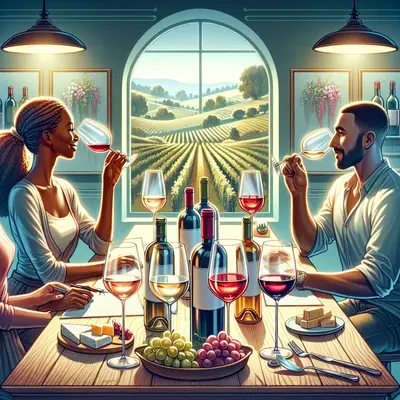
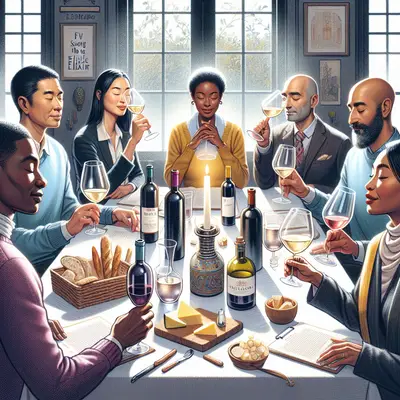
The atmosphere of a tasting room quietly frames your perception long before the first swirl. Consider how natural light reveals the wine’s hue and brilliance; a softly illuminated room can make a mature Pinot Noir appear velvety and inviting, while harsh overhead lighting may flatten its visual allure. The best estates understand this and choreograph their spaces accordingly—muted tones, tactile materials, acoustics that absorb chatter and allow a murmur of conversation rather than a roar.
Temperature extends beyond the wine itself. A room that is slightly cool, with excellent ventilation but no drafts, keeps aromas focused in the glass and your senses comfortably alert. Seating, too, is not incidental: a well‑proportioned chair that encourages upright posture can subtly influence how you perceive structure and acidity, making it easier to register fine details. When you walk into a tasting room, notice how quickly your body relaxes, how effortlessly you can focus. These cues tell you whether the environment is attuned to appreciation or merely to throughput.
Lighting, seating, air, and sound together act as a silent prelude. In a thoughtfully designed space, you sense that you are expected to linger, to notice, to ask questions. The wine does not shout; it is allowed to speak.
The Architecture of a Flight: Why Order Matters
A well‑constructed tasting flight has an internal architecture, guiding you through intensity, structure, and character in a deliberate progression. The logic is far more intricate than “white before red.” Experienced hosts think in gradients: moving from lean to generous, from delicately aromatic to deeply perfumed, from youthful energy to contemplative maturity.
Begin with wines that are precise, high in acidity, and aromatically pure—often sparkling or mineral‑driven whites. These wines sharpen your palate, much like an overture primes an audience for a symphony. From there, the progression might follow texture: from light‑bodied reds with filigreed tannins to more structured wines that demand your full attention. Sweet wines, if included, are typically placed at the end, both to protect earlier impressions and to leave a resonant final note.
Thoughtful flight design also acknowledges your cognitive stamina. Four to six wines is often the ideal range for focused appreciation; beyond that, the distinctions begin to blur for most tasters. The best estates will often organize flights around a theme—single vineyard comparisons, vertical tastings of multiple vintages, or explorations of a specific soil type—allowing you to perceive patterns rather than isolated data points. When evaluating a tasting experience, pay close attention to this architecture; it is the curator’s hand at work.
Five Exclusive Insights for the Devoted Enthusiast
For travelers who wish to elevate their experiences from pleasant to truly memorable, a few discrete practices can deepen every pour. These five insights are subtle in application, but they distinguish the casual visitor from the genuinely engaged taster.
1. Calibrate Your Senses Before You Sip
Arrive with your palate neutral and your attention unhurried. Strong coffee, mint, perfume, or lingering cologne will interfere far more than most people realize. Before your first wine, take a few slow breaths and focus on the ambient scents of the room—the wooden bar, the faint trace of barrel toast, the cool stone floor. This brief sensory “reset” allows you to perceive the wine’s first aromatics with greater clarity.
2. Listen to the Wine’s Silence, Not Just Its Voice
The most interesting wines often reveal as much in what they withhold as in what they display. Rather than rushing to name flavors, notice where the wine is quiet: does the mid‑palate seem restrained yet promising, as if something is waiting to unfold with air? Is the finish long in texture but discreet in aroma? These silent spaces often point to aging potential, structural finesse, or the influence of a cooler vintage. Pausing to register what is not immediately obvious is a mark of an advanced taster.
3. Make Time Your Most Valuable Tasting Tool
In a premium tasting, the clock should be your ally rather than your adversary. Revisit the same wine at least three times: immediately after pouring, a few minutes later, and again near the end of the flight. Pay attention to how oxygen transforms it—does a tightly coiled nose relax into layers of spice and stone fruit; do tannins soften or knit more firmly? This is where truly serious wines distinguish themselves: the best will evolve gracefully and remain coherent as they breathe, revealing new dimensions rather than simply fading.
4. Trace the Texture, Not Just the Flavor
While many tasting notes default to fruit descriptors, texture often carries more revealing information. Focus on the sensation rather than the vocabulary: is the wine satin‑smooth, chalky, powder‑fine, or almost saline? How do the tannins behave—do they rise gently from the front of the tongue toward the sides, or do they frame the gums like finely woven fabric? Such textural impressions frequently reflect soil type, extraction choices, and aging vessels. Enthusiasts who refine this awareness often find they can identify styles and regions with greater precision, even blind.
5. Engage the Winemaker’s Intent, Not Just the Brand Story
Beyond the polished narratives of heritage and scenery lies the most compelling question you can ask: “What were you trying to achieve with this wine?” This invites a discussion of decisions rather than slogans—harvest timing, whole‑cluster usage, choice of oak, or the preference for native yeasts. Listen for how the winemaker speaks about tension, balance, and restraint. You are not merely sampling a label; you are tasting a series of deliberate compromises and convictions. For serious enthusiasts, understanding this intent transforms each glass from a product into a conversation.
The Role of Ritual: Small Gestures, Significant Returns
Rituals in wine service are not empty ceremony; they are pragmatic tools for unlocking detail. The way a glass is held—by the stem, to prevent warming and obscuring the bowl—serves both function and elegance. A controlled swirl introduces oxygen without splashing or agitation, allowing aromatic molecules to rise in a measured way. Even the pour size matters: too generous and the wine becomes difficult to aerate and assess; too sparse and subtleties are lost.
Between wines, consider how you reset your palate. Still water and neutral, unsalted crackers can be sufficient, but restraint is essential; over‑cleansing can leave your mouth feeling stripped and unresponsive. Some estates excel at pacing, allowing a graceful pause between wines, rather than rapidly refilling your glass. This cadence gives each wine its own moment and allows your memory to register contrasts without fatigue.
Attire, too, subtly influences your experience. Clothing free of strong fragrances and made from breathable fabrics will keep you comfortable during cellar visits and vineyard walks, while still aligning with the understated formality that premium estates often appreciate. These small, thoughtful gestures collectively enhance not only how you taste, but how you are received.
Reading a Vineyard Without a Map
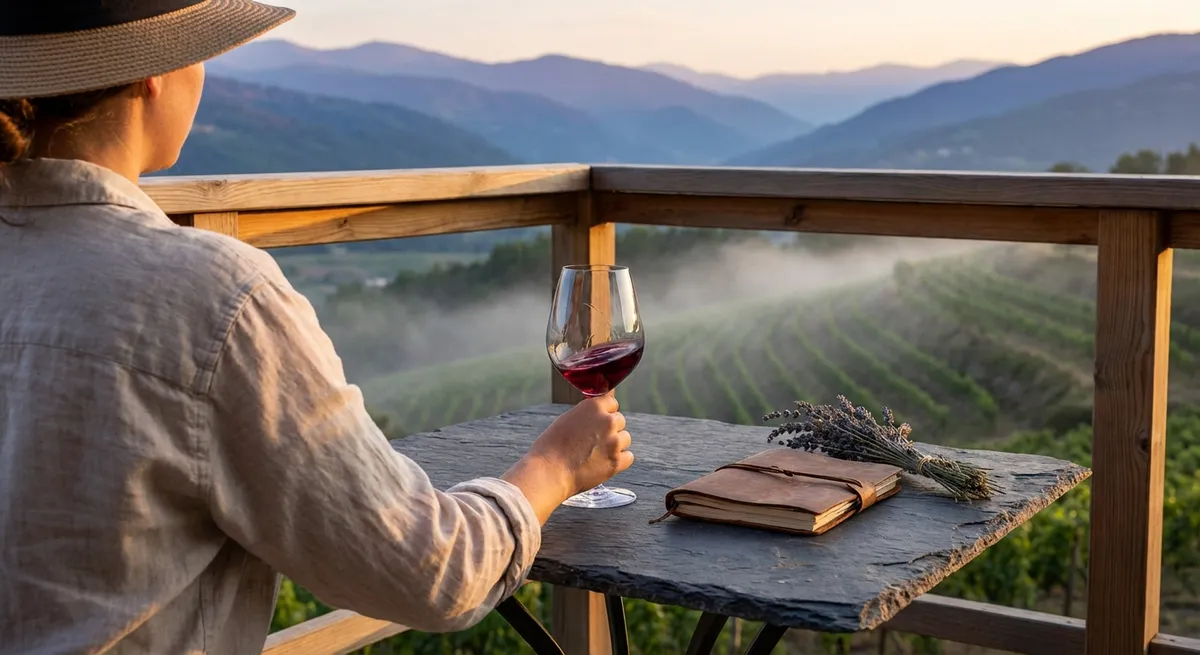
For the traveler, stepping into the vineyard is an invitation to connect what is in the glass to what is underfoot. Notice the spacing of the vines, the height of the canopy, the way the rows follow or cut across the natural slope. Dense planting often reflects a desire for competition and concentration; a higher canopy may signal a focus on shading fruit in a warmer climate. The soil itself—whether it is strewn with stones, chalk, or darker, loamy earth—offers clues about drainage, heat retention, and root penetration.
Pay attention to what is planted between the rows. Cover crops can suggest priorities: legumes to enrich the soil, grasses to manage vigor, or flowering plants to support biodiversity and beneficial insects. Look at the pruning choices and the yield per vine; carefully limited clusters often indicate an emphasis on quality over volume. When you return to the tasting room after such observations, the wines rarely feel abstract. Instead, each sip becomes a translation of contours, exposures, and choices you have seen for yourself.
Conclusion
Refined wine tasting is an exercise in attention—attention to space, sequence, time, texture, and intent. For the attentive traveler, every element of a premium tasting experience can be read as part of a larger composition, from the cool hush of the cellar to the final, lingering echo of a wine that continues to evolve in the glass. By embracing these quieter dimensions and applying a few discreet but powerful practices, you move beyond merely liking or disliking a wine. You begin to understand why it is the way it is, and how each glass reflects a series of intentional, often courageous choices.
On your next wine tour, let each pour be more than a sample. Let it be a carefully observed moment in a longer journey—one that invites you, gently but insistently, to taste with your full attention.
Sources
- [Wine Tasting: How to Taste Wine Like a Pro – Wine Spectator](https://www.winespectator.com/articles/how-to-taste-wine) – Detailed overview of professional tasting techniques and sensory focus
- [How to Taste Wine – Institute of Masters of Wine](https://www.mastersofwine.org/wine-exam/how-to-taste-wine) – Authoritative guidance on structured tasting and evaluation from a leading wine education body
- [Effects of Glass Shape and Serving Practices – Riedel](https://www.riedel.com/en-us/blog/shape-matters) – Insights into how glassware design and serving conditions influence aroma and perception
- [Terroir and Vineyard Factors – UC Davis Viticulture & Enology](https://wineserver.ucdavis.edu/industry-info/enology/terroir) – Academic perspective on how site, soil, and climate translate into wine character
- [Wine Etiquette and Tasting Room Tips – Wine Institute](https://wineinstitute.org/our-industry/visiting-wine-country/) – Practical guidance on tasting room behavior, atmosphere, and visitor expectations
Key Takeaway
The most important thing to remember from this article is that this information can change how you think about Wine Tasting.