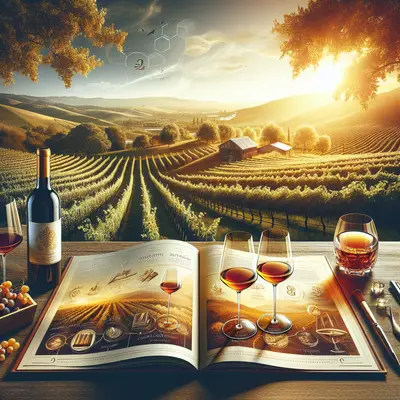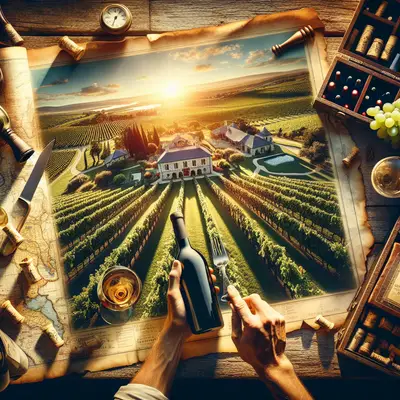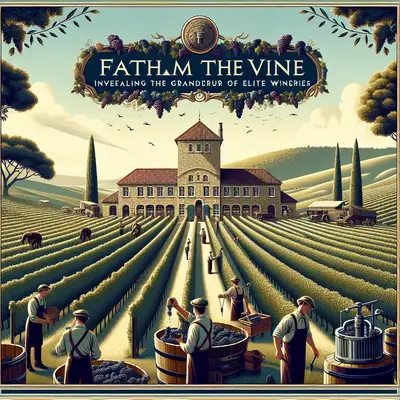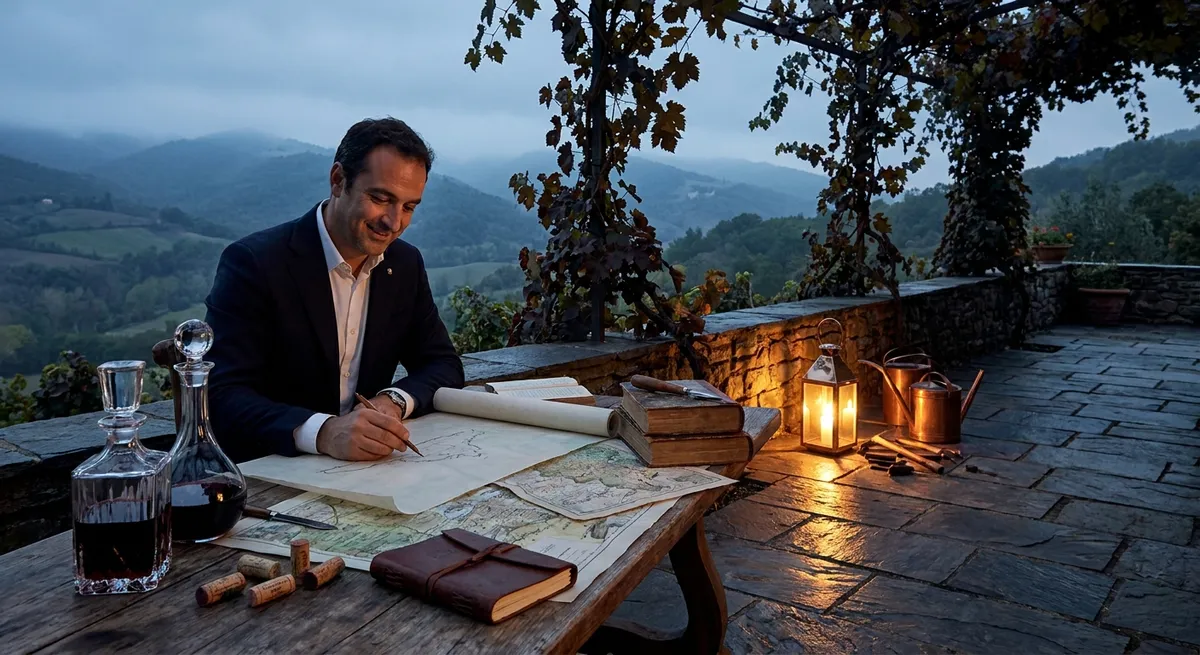
Premium wineries are not defined solely by price or prestige; they are drawn instead by a quieter cartography of intent, detail, and patience. For the traveler who seeks more than a simple tasting flight, these estates offer a rare immersion into craftsmanship—where vineyards are read like manuscripts and each vintage is treated as a chapter in a long, unfolding narrative. This is the realm where restraint becomes luxury, and where the most memorable moments often happen between scheduled experiences, in the pauses, the silences, and the small, carefully orchestrated gestures.
What Truly Distinguishes a Premium Winery
At first glance, a premium winery might resemble any other well-appointed estate: polished tasting rooms, manicured vines, and an artful label. Yet the real distinction emerges in the coherence between vineyard, cellar, and hospitality. The same philosophy guiding pruning decisions in January will often shape the glassware chosen for your tasting in September.
These wineries tend to embrace limited production, not as a marketing tool but as a practical necessity for maintaining exacting standards. Fruit is sourced from meticulously selected parcels—often single vineyards or even single blocks—where soil, exposure, elevation, and wind patterns are not generalities but known characters in the story of each wine. Investment in state-of-the-art equipment is paired with a willingness to intervene less, not more. Above all, there is a sense of continuity: multi-generational stewardship, long-tenured vineyard teams, and winemakers who see themselves as custodians, not creators, of place.
The Vineyard as Laboratory of Precision
In the world of premium wineries, the vineyard is a living laboratory, and soil maps can be as prized as vintage charts. High-end estates frequently commission detailed soil and topographical surveys, allowing them to match each clone and rootstock to specific micro-plots. Differences imperceptible to the casual visitor—an extra degree of slope, a subtle shift from clay to limestone—are treated as vital parameters in the architecture of the wine.
Observation is constant. Growing seasons are tracked with meticulous records of temperature, rainfall, disease pressure, and canopy development. Some wineries integrate precision viticulture tools—drone imagery, satellite mapping, and soil moisture sensors—not to replace human intuition but to refine it. Hand harvesting at dawn, cool fruit transport, and small fermentation lots enable separate vinification of parcels, preserving the nuances that the vineyard so carefully cultivated. Walking these rows with a viticulturist can be as illuminating as any formal tasting, revealing how each decision in the field whispers its way into the glass.
Inside the Cellar: Where Restraint Becomes Luxury
In premium cellars, luxury is expressed not in ostentation but in restraint. Fermentation vessels may range from austere stainless-steel tanks to concrete eggs and hand-crafted oak vats, each selected for a specific interaction with the wine. Rather than chasing a signature “house style” at all costs, top estates increasingly allow the character of the vintage and site to guide their approach, adjusting maceration times, extraction, and élevage based on the identity of the fruit in a given year.
Oak, often overused elsewhere, is handled with extraordinary nuance. Choices about forest origin, grain tightness, toast level, and coopers are deliberate, and the proportion of new barrels is often lower than one might expect at this level. Extended aging on lees, carefully timed bâtonnage, and long, cool maturation can yield textures and aromas that feel less like winemaking tricks and more like a deepening of the wine’s native voice. The cellar tour, when thoughtfully designed, becomes an exploration of time itself: barrel rooms where years seem to slow, and library cellars that serve as quiet archives of decades-long experimentation.
Five Exclusive Insights for the Attentive Wine Enthusiast
For those seeking to move beyond surface impressions, premium wineries offer layers of meaning often missed in a casual visit. These five insights can reveal a deeper dimension to your next high-end tasting.
Clone Selection Is a Hidden Signature
Many top estates treat clone selection as a form of artistic brushwork. Different clones of the same grape can vary dramatically in cluster size, berry thickness, aromatic profile, and tannin structure. Premium producers may plant multiple clones within the same parcel, then vinify each separately before blending. Asking which clones are used—and why—can open a conversation about style, aging potential, and how the estate translates terroir into texture.
The “Quiet” Vintages Often Reward the Most Patience
In renowned regions, the highly publicized “great” vintages can overshadow the subtler years—those cooler, less heralded seasons that yield wines of poise rather than power. Premium wineries often treasure these quieter vintages, recognizing their capacity for aromatic complexity and graceful aging. When offered the chance, taste a restrained year side by side with a celebrated one; the comparison can be revelatory, especially in estates that prize balance over sheer concentration.
Single-Parcel Micro-Cuvées Are Windows into Terroir
While flagship blends command attention, the most insightful wines are sometimes the smallest-production bottlings—micro-cuvées from a specific slope, soil type, or old-vine parcel. These wines rarely travel far from the estate and may only be available to visitors or allocation members. Seek them out. They act as “terroir lenses,” distilling a single piece of land so precisely that you begin to recognize its signature across different vintages.
Aromatic Architecture Is Intentional, Not Accidental
In premium wineries, aroma is constructed with as much intention as structure. Decisions on harvest dates are made not only for sugar and acidity but also for the ripeness of phenolic compounds and aromatic precursors. Gentle pressing, controlled oxygen exposure, and carefully selected yeast (or the choice to rely on native ferments) shape a wine’s aromatic ascent in the glass. Smell slowly: floral top notes, mid-palate fruit, and subtle undertones of minerality or spice are often deliberately layered, creating a kind of olfactory architecture that unfolds over time.
Hospitality Rituals Mirror the Estate’s Winemaking Philosophy
The way you are welcomed, seated, and guided through a tasting is often a reflection of how the winery approaches its craft. An estate devoted to precision might choreograph each pour with strict temperature control and exact glassware, showcasing differences between cuvées with clinical clarity. Another, more contemplative in spirit, might favor fewer wines, more time, and extended conversations, allowing each bottle to breathe into the experience. Observing these rituals—how your host describes time, place, and intention—offers a human mirror of the estate’s deeper values.
Curating a Visit That Honors the Wine
Visiting a premium winery is less about checking a famous label off a list and more about entering into a temporary partnership of attention. The most rewarding experiences often arise when guests arrive with thoughtful curiosity rather than a rapid-fire agenda. Reading about the estate’s history before your visit, exploring vintage reports, and understanding the regional context allow you to ask questions that go beyond “What should I buy?” to “What are you trying to express here?”
Book appointments that leave space between tastings; premium wines need time in the glass, and you will recall far more from three considered visits than from six rushed ones. When possible, opt for vertical tastings or vineyard-focused experiences, where you can trace the evolution of a single wine across years or see firsthand how the estate’s top parcels are managed. Take notes, not just on flavors, but on textures, pacing, and the emotions each wine evokes. The finest wineries are not presenting products; they are inviting you into a continuity of place and time, one that you may revisit bottle by bottle for years to come.
Conclusion
Premium wineries exist at the intersection of patience, precision, and quiet ambition. Their true allure lies not in scarcity alone, but in the way they translate land, climate, and human intention into wines that feel both exacting and effortless. For the discerning traveler, these estates offer a rare privilege: to witness excellence not as spectacle but as a series of thoughtful, almost private decisions—each one shaping what finally appears in the glass. Approach them with the same care they devote to their craft, and every visit becomes more than a tasting; it becomes a study in how refinement is made visible, one vintage at a time.
Sources
- [Wine Institute – California Wine Country Facts](https://wineinstitute.org/our-industry/by-the-numbers/california-wine-country-facts/) - Overview of California wine regions, production, and the scale of premium winegrowing
- [Napa Valley Vintners – What Makes Napa Valley Unique](https://napavalley.wine/about/what-makes-napa-valley-unique/) - Insight into terroir, microclimates, and practices associated with high-end wineries
- [Bordeaux.com – Understanding Terroir](https://www.bordeaux.com/us/Our-know-how/Terroir) - Detailed explanation of how soil, climate, and human factors define premium wine regions
- [UC Davis Department of Viticulture and Enology](https://caes.ucdavis.edu/departments/viticulture-enology) - Educational resource on viticulture, winemaking techniques, and research behind quality wine production
- [OIV (International Organisation of Vine and Wine) Publications](https://www.oiv.int/en/oiv-publications) - Technical and scientific reports on viticulture, enology, and global quality standards in wine
Key Takeaway
The most important thing to remember from this article is that this information can change how you think about Premium Wineries.