Stepping into a truly premium winery is less like visiting a business and more like crossing the threshold into a private philosophy. The stakes are higher, the margins of error narrower, and the intention behind every decision—vineyard row orientation, barrel grain, lighting in the tasting salon—meticulously examined. For the serious wine enthusiast, understanding what really distinguishes these addresses from the merely fashionable is the key to choosing experiences that feel genuinely exceptional rather than simply expensive.
Below are five exclusive, under‑discussed insights that reveal what is happening behind the scenes at the world’s most exacting wineries—and how to recognize those that merit your time and attention.
1. The Invisible Architecture of the Vineyard
In premium wineries, greatness is engineered long before grapes meet steel or oak. The vineyard itself is treated as a living architecture, designed and tuned across decades rather than seasons.
Rows are oriented not just for sun exposure but for the way light moves across the slope hour by hour; vine spacing is calibrated to control vigor and root competition; canopy height and density are adjusted block by block so that ripening is not merely “complete,” but harmonized between sugar, acidity, and phenolic maturity. Many top estates now use high‑resolution mapping and soil pit analysis to understand tiny variations in their parcels—then plant specific rootstocks and clones precisely where they will thrive, not simply survive.
For the visitor, this invisible structure comes into focus when a winery can clearly articulate why each block exists as it does. Ask to see the vineyard map. At premium properties, you will often find a narrative for each parcel: its soil profile, its wind exposure, the rationale for its planting density. The more coherent the story between landscape and wine, the more likely you are in the presence of deeply considered viticulture rather than surface‑level luxury.
2. Precision Maturation: Beyond “French Oak, 18 Months”
While many wineries can recite a barrel regimen, truly elite producers think of maturation as a choreography of micro‑decisions rather than a single recipe. They understand that “18 months in French oak” says almost nothing about the nuance behind the wine.
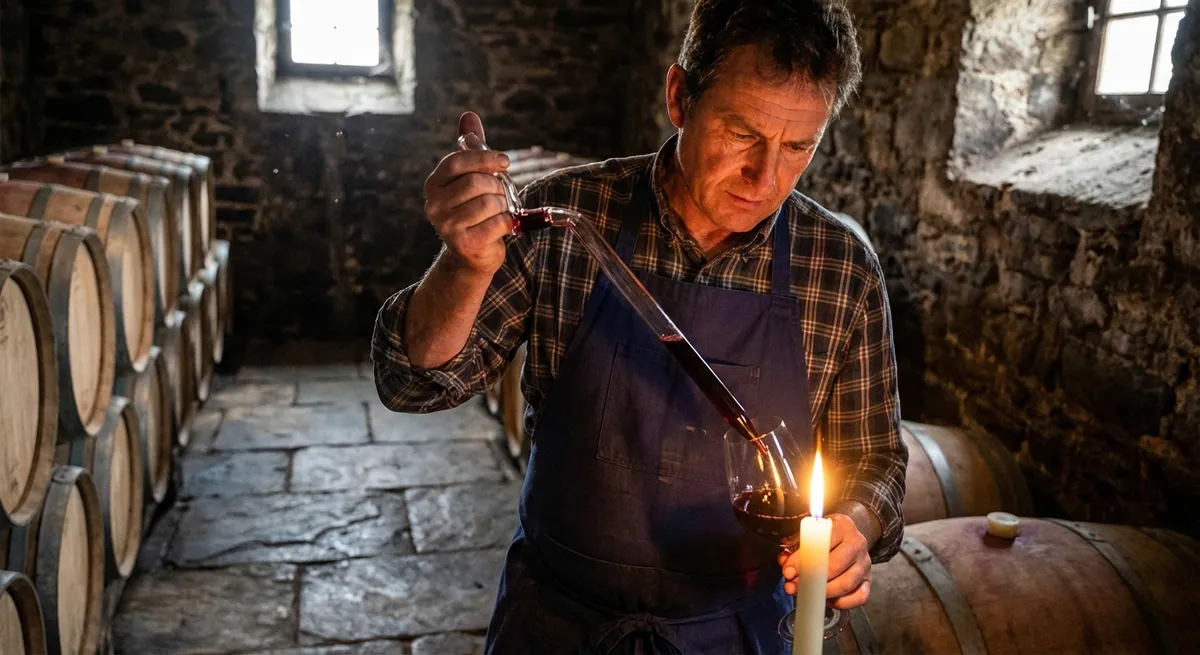
At this level, the grain tightness of the barrel staves, the forest of origin, seasoning time, toasting curve, and cooper’s style are all carefully matched to specific parcels of fruit. Some lots may never touch new oak at all, preserved instead in large, neutral casks to protect delicate aromatics. Others might see a subtle mix of new and second‑use barrels from different coopers to build complexity without overt wood imprint.
A particularly telling sign of a premium winery is the willingness to speak not just about “oak” in general terms, but about texture: how their maturation choices influence the shape of the wine on the palate—its tannin grain, mid‑palate weight, and finish length. When a cellar master describes barrels as tools to preserve freshness, tension, and detail rather than to add vanilla and toast, you are hearing a vocabulary of refinement informed by decades of observation.
3. Time as a Luxury Ingredient
The rarest luxury in fine wine is not scarcity or packaging; it is time—especially when the winery absorbs it on your behalf. Premium estates increasingly hold back a portion of their production, releasing wines only when they have shed primary awkwardness and begun to show the nuance that justifies their pedigree.
For devoted enthusiasts, this has profound implications. A visit to such an address often includes access to “library” or late‑release vintages that have matured in the estate’s own cellars, under ideal conditions, with detailed provenance. This is particularly illuminating in regions where ageworthiness defines greatness—think Piedmont, Bordeaux, Burgundy, the Mosel, or the higher sites of Napa, Santa Cruz, or the Adelaide Hills.
When evaluating premium wineries to visit, look for those that:
- Maintain a documented archive of older vintages
- Offer structured vertical tastings (across years) rather than only a current release flight
- Are transparent about cellaring conditions and cork or closure trials over time
Such estates signal that they are not merely making wine; they are curating a temporal experience—allowing you to taste evolution, not just youth.
4. The Curated Glass: Stemware as a Deliberate Choice
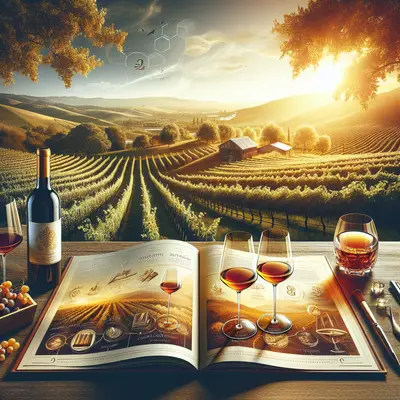
At the highest tiers, glassware is no longer an afterthought; it is a calibrated instrument. Premium wineries recognize that a wine’s performance can shift dramatically depending on bowl diameter, rim diameter, and the angle of the glass wall.
Some estates collaborate directly with luxury stemware producers, choosing specific models for particular wines. A taut, mineral‑driven white might be served in a narrower bowl that directs aroma and maintains precision, while a layered, structured red is given more airspace to release its aromatic architecture and soften its edges. Even sparkling wines are increasingly poured into tall, tulip‑shaped glasses instead of narrow flutes, in order to better showcase texture and complexity.
As an enthusiast, pay close attention to whether the winery:
- Uses different stems for different wine styles
- Explains why a particular glass was chosen
- Keeps glassware immaculate and consistent across the tasting
This is not about brand names for their own sake, but about a producer signaling that the final meters of the wine’s journey—from bottle to glass to your senses—are treated with the same care as the first rows of their vineyard.
5. The Intangible Culture Behind the Label
The most consequential distinction between premium wineries and their peers often lies in a dimension visitors cannot easily photograph: culture. Not the culture as packaged in branding, but the internal ethos that governs decisions made when no one is watching.
At elite estates, you will frequently find a quiet, almost obsessive alignment between vineyard workers, cellar team, and hospitality staff. Seasonal pick decisions are debated and documented; ferments are monitored at all hours, not out of anxiety but out of devotion; experiments are tracked for years, sometimes decades, before a permanent change is adopted. Sustainability initiatives are not solely a marketing point, but a framework for long‑term viability—cover crops, biodiversity corridors, water recapture systems, and low‑impact farming practices are woven into daily operations.
You can sense this culture during a visit by listening for certain cues:
- Staff at every level can speak intelligently about both farming and winemaking, not just the tasting notes.
- There is transparency about challenges—weather extremes, difficult vintages, or experimental blocks that did not perform as hoped.
- The estate has a clear, long‑horizon vision: not just incremental improvements, but a grounded sense of where they want the wines to be in 10–20 years.
When a winery’s internal culture is coherent and deeply committed, the experience shifts from passive tourism to an encounter with a living craft tradition—one that is refining itself with each vintage.
Conclusion
Premium wineries distinguish themselves not merely by scarcity, architecture, or price point, but by the rigor and intentionality that permeate their every choice—from vineyard design to barrel grain, from the age at which a bottle leaves the cellar to the glass that cradles it in your hand. For the serious wine traveler, recognizing these quiet signals transforms a winery visit from a pleasant diversion into a rarefied exploration of mastery.
When planning your next journey, look for the places where time is treated as a treasured ingredient, where glassware is as intentional as the barrel room, and where the vineyard’s invisible architecture is expressed in the wine’s unmistakable clarity. Those are the addresses where a tasting becomes something more: a precise, unhurried conversation between landscape, craftsmanship, and your own evolving palate.
Sources
- UC Davis Viticulture and Enology Department – Research and educational resources on advanced vineyard design, clonal selection, and winemaking practices
- Napa Valley Vintners – Sustainability & Environmental Leadership – Overview of sustainable and long‑term viticultural practices among leading Napa producers
- Institut National de l’Origine et de la Qualité (INAO) – Official French body detailing appellation rules, terroir concepts, and quality frameworks for many of the world’s benchmark regions
- Decanter Magazine – Guide to Oak in Winemaking – In‑depth explanation of how oak type, grain, and toasting influence wine style and structure
- Wine & Spirit Education Trust (WSET) – Educational articles on aging potential, glassware impact, and the factors that underpin premium wine quality
Key Takeaway
The most important thing to remember from this article is that this information can change how you think about Premium Wineries.