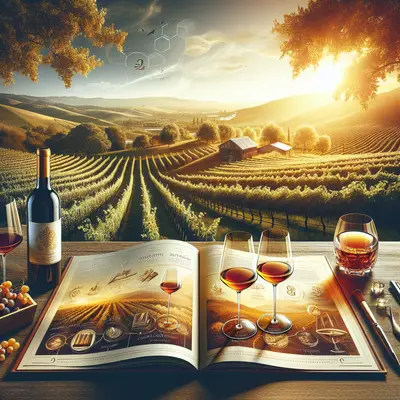
There is a realm of wine that seldom appears on tasting trail maps or tourist brochures—a world defined less by spectacle than by precision, restraint, and an almost obsessive guardianship of terroir. These are the premium wineries that operate at the quiet frontiers of prestige, where every decision, from rootstock to glassware, is orchestrated to express place, time, and intent with exquisite clarity. For the traveler who seeks more than a pleasant afternoon among the vines, understanding what truly sets these estates apart transforms a visit into an immersion.
The Architecture of Intention: How Estate Design Shapes the Wine
At the finest wineries, architecture is not an afterthought or a vanity project; it is a silent collaborator in the wine’s creation. Gravity-flow wineries, for example, are designed to move grapes and wine gently from sorting table to fermentation to barrel, relying on elevation and slope rather than pumps. This minimizes agitation, preserving delicate aromatics and fine tannin structure—a nuance you feel not as a flavor but as texture and length on the palate.
Concrete eggs, subterranean barrel halls, and temperature-stabilizing earth berms are not merely aesthetic statements. They reflect a philosophy that micro-oxygenation, thermal stability, and humidity control are as critical as vineyard work in preserving a wine’s purity. In some premium estates, the winery is partially or fully underground, not for drama, but to ensure virtually static temperatures year-round without aggressive mechanical intervention. When you step into such a cellar, you are entering an engineered ecosystem whose sole purpose is to let the wine evolve at its own pace, uninterrupted.
Look closely during your next visit: the slope of a crush pad, the orientation of barrel rows, the choice of stone vs. steel vs. concrete in the building materials. These details telegraph an estate’s priorities—whether they value energy efficiency, gentle handling, long-term aging stability, or a precise aromatic profile. The world’s most revered wines are rarely born in generic sheds; they are conceived in spaces that quietly, relentlessly serve the integrity of the final glass.
Exclusive Insight #1: Among top-tier wineries, the winemaker often collaborates with architects from the first sketch, aligning building design with fermentation strategy and cellar aging philosophy—not the other way around.
Vineyard as Manuscript: Micro-Plots, Precision, and the New Language of Terroir
Premium estates increasingly treat their vineyards less like uniform fields and more like a manuscript written in overlapping dialects. Vineyard blocks are subdivided into micro-plots based on minute variations in soil depth, rock composition, aspect, and airflow. These differences can be almost imperceptible to the casual eye, yet they yield noticeably distinct fruit profiles when vinified separately.
At this level, terroir is not merely a poetic concept; it’s a working tool. Detailed soil studies—sometimes conducted with electromagnetic mapping or core sampling—reveal where drought stress will be most acute, where root penetration is deepest, and where cooler pockets extend ripening by a handful of crucial days. Vines may be planted at varying densities, with different rootstocks and clones tailored to each micro-plot, forming a mosaic of viticultural decisions that only makes sense when viewed as a whole.
For the visiting enthusiast, the most revealing experiences are those that include comparative tastings from these micro-plots or single parcels. Tasting two wines from the same grape, vintage, and winemaker, differing only by the slight change in slope or soil, can be more instructive than a dozen standard tastings combined. This is where one begins to taste not just “a Cabernet” or “a Chardonnay,” but a specific hillside at a specific hour in a particular growing season.
Exclusive Insight #2: In many leading estates, micro-vinification of individual rows or parcels is used not only for top cuvées but as an annual “terroir audit”—a way to re‑read the vineyard each year and adjust farming in real time.
Time as a Luxury: The Art of Extended Elevage and Release
In a market that often rewards rapid turnover, the quiet luxury of time has become one of the most defining characteristics of serious wineries. Extended élevage—the period a wine spends in barrel, amphora, foudre, or bottle before release—is an expensive, space-consuming commitment. Yet it is indispensable for producers who aim to release wines only when they have achieved a certain harmony, rather than when the market calendar dictates.
At this level, barrel aging is less about imparting oak flavor and more about controlled micro-oxygenation, tannin polymerization, and aromatic integration. Large-format vessels like foudres or concrete tanks allow slower, gentler evolution, emphasizing texture and complexity without overt wood signatures. Some wineries even maintain dedicated “library cellars” not merely for show, but as living archives used to calibrate blending decisions: they taste back through a decade or more of vintages to understand how structural components age and how the estate’s style evolves.
For guests fortunate enough to access these older vintages, the experience is revelatory. One begins to recognize a signature thread—a particular mineral line, a certain floral note, or a textural fingerprint—that persists across years, weather patterns, and even stylistic shifts. This is the true voice of the estate, discernible only when time has had its say.
Exclusive Insight #3: Some top wineries quietly hold back a significant portion of each great vintage, not just for prestige auctions but to study long-term aging and refine future blending, effectively using their own past as a research laboratory.
Hospitality as Curatorship: Experiences Designed for Depth, Not Volume
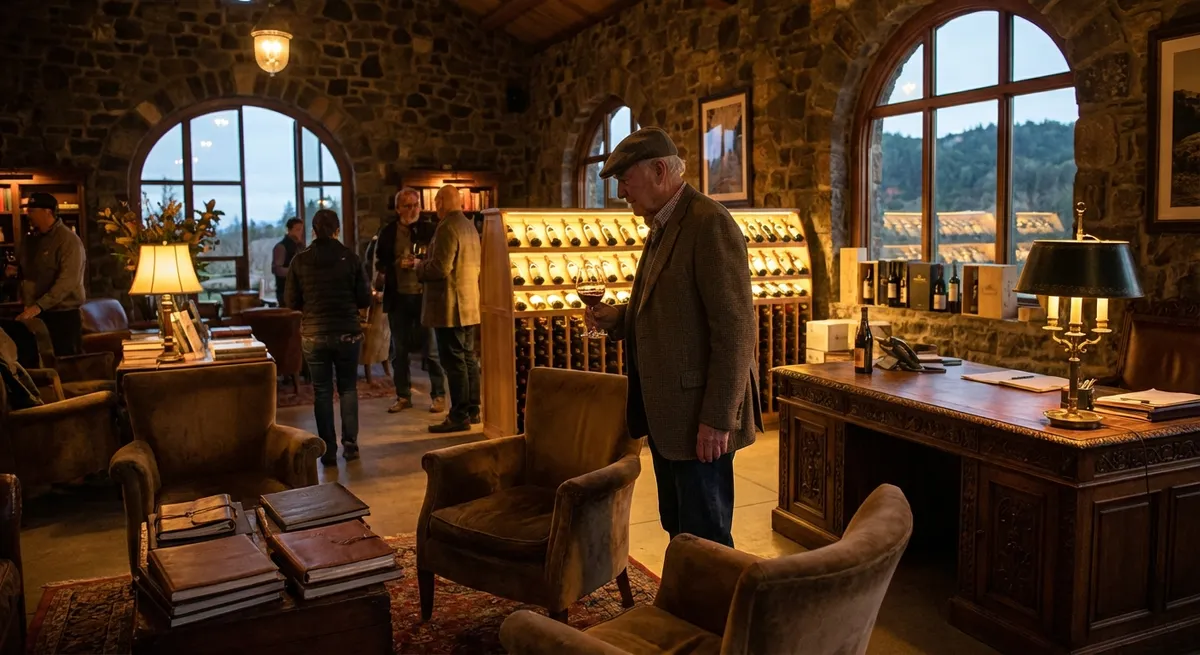
In the world of premium wineries, hospitality is not about throughput; it is about curation. Appointment-only visits are not merely an exclusivity play, but a way to ensure that every guest is welcomed into a carefully choreographed experience. Group sizes are deliberately small to allow for real conversation: not a rehearsed script, but a dialogue about vintage conditions, farming choices, and the evolution of the estate’s philosophy.
You may be guided by an estate educator who spends part of the year assisting with harvest, or by a family member whose memories of the property span decades. Tasting flights are assembled not as a marketing funnel but as a narrative: perhaps beginning with a wine that articulates the broader region, then diving into a single parcel bottling, and finally a library vintage that reveals where the estate has come from. Every pour is placed in context, each glass a chapter in a story that extends well beyond the visit.
Details rarely left to chance include the glassware shape for each varietal, the sequence of serving temperatures, and even the vantage point from which certain wines are tasted—a hillside overlook for the flagship vineyard, or a secluded library room where ambient sound and light are carefully moderated. These subtleties create a setting where your attention can settle fully on what is in the glass.
Exclusive Insight #4: Leading estates increasingly train their hospitality teams alongside viticultural and winemaking staff, ensuring that those who pour the wine can speak credibly about pruning decisions, soil health, and fermentation choices—not just tasting notes.
Sustainability with Substance: From Quiet Stewardship to Measurable Impact
Among premium wineries, sustainability is evolving from a marketing term into a codified practice measured in data, certifications, and long-term soil vitality. Organic and biodynamic farming may be visible hallmarks, but the deeper story lies in comprehensive approaches to water use, biodiversity, and energy management. These estates view themselves as custodians of land that must remain viable for generations, a perspective reflected in choices that may never appear on a label.
Cover crops, for instance, are selected not only to prevent erosion but to fix nitrogen, attract beneficial insects, and improve soil structure. Owl boxes and raptor perches form part of an integrated pest management system that reduces the need for intervention. In the cellar, closed-loop water systems, solar arrays, and insulated barrel rooms significantly reduce environmental footprint while providing more consistent conditions for fermentations and aging.
Discerning guests can often glimpse this deeper commitment by asking about certifications—such as organic, biodynamic, SIP Certified, or B-Corp status—but the most telling indicators are often anecdotal: how long the current vineyard team has been in place, whether neighboring growers collaborate on watershed management, or how the estate speaks about vintage challenges in the context of climate change.
Exclusive Insight #5: Top-tier wineries increasingly maintain soil health and biodiversity metrics over decades, treating living soils as their most valuable asset—and adjusting vineyard practices year by year based on measurable, not just visual, vitality.
Conclusion
Premium wineries occupy a rare intersection of rigor, restraint, and vision. Their distinction does not lie solely in price or scarcity, but in the accumulation of precise choices: the quiet intelligence of their architecture, the granular reading of their vineyards, the patience to give wines time, the intentionality of their hospitality, and the depth of their commitment to the land itself.
For the traveler who approaches these estates with curiosity and attentiveness, the reward is an experience that lingers long after the last glass is drained—a sense that one has not merely tasted exceptional wine, but briefly stepped into the inner logic of a place dedicated to excellence over generations.
Sources
- UC Davis Department of Viticulture and Enology – Research and educational resources on vineyard management, winemaking, and winery design
- Wine Institute – Sustainable Winegrowing Program – Overview of sustainability practices and certifications in premium wine regions
- Decanter: Why Some Wineries Use Gravity-Flow Systems – Explanation of gravity-flow winery design and its impact on wine quality
- Napa Valley Vintners – Terroir and Sub-Appellations – Insight into micro-terroir, sub-AVAs, and how site differences are expressed in wine
- Smithsonian Magazine – How Climate Change Is Altering Wine – Discussion of long-term climate impacts on vineyards and the adaptive strategies of top estates
Key Takeaway
The most important thing to remember from this article is that this information can change how you think about Premium Wineries.