There is a moment in every serious wine lover’s journey when the bottle is no longer enough. The label, the score, the tasting note—each suddenly feels incomplete without an understanding of place. Vineyard visits, when thoughtfully curated, reveal the quiet architecture behind every remarkable wine: soil, aspect, wind, light, and the patient hands that shape them. This is not about rushing from tasting room to tasting room; it is about entering the vineyard as a guest of its rhythm, not a spectator of its spectacle.
The Vineyard as a Living Map
To approach a vineyard with intention is to read a landscape as though it were a map written in rows of vines. The most rewarding visits begin not at the bar but at the edge of the planting, where you can trace how the slope rises and falls, how cool air gathers in the hollows at dusk, and how the vine rows align themselves to sun and prevailing wind. The best estates often reveal their philosophy before a single glass is poured: the density of planting, the choice of trellising, even the spacing between rows tells a story of yield, ripeness, and stylistic ambition.
Walk slowly. Notice whether the soils are stony and well-drained or darker and more moisture-retentive; these seemingly simple details profoundly affect texture and structure in the glass. Observe older blocks versus younger plantings, and how the vines’ posture changes with age. Ask to see parcels that never make the public tour—steeper terraces, experimental plots, or heritage vines. The more you read the landscape, the more the wines will begin to taste like a precise translation of this place rather than an abstract expression of “style.”
The Silent Dialogue: Soil, Root, and Aroma
One of the most exclusive insights—rarely discussed in public tastings—is how intensely the underground world shapes the perfume of the wine. Serious growers obsess over root depth, soil structure, and microbial life because these subtleties often emerge as fine aromatics rather than obvious flavors. Deep-rooted vines, especially in older vineyards, tend to drink from a broader geological library, drawing nuance from mineral layers that younger plantings never touch.
As you tour, look for cues that a producer is genuinely attentive to this subterranean dialogue: cover crops between rows, minimal visible erosion, and diverse plant life along the vineyard margins. When a guide mentions “living soils,” ask specifically about organic matter, microbial activity, and soil compaction. These topics may sound technical, but they translate romantically in the glass as lifted aromatics, clarity, and length. A vineyard that nurtures complexity below the surface is often the same vineyard that yields wines of quiet, enduring detail—those bottles that seem to gain definition with every sip.
Time of Day: The Unspoken Luxury of a Vineyard Visit
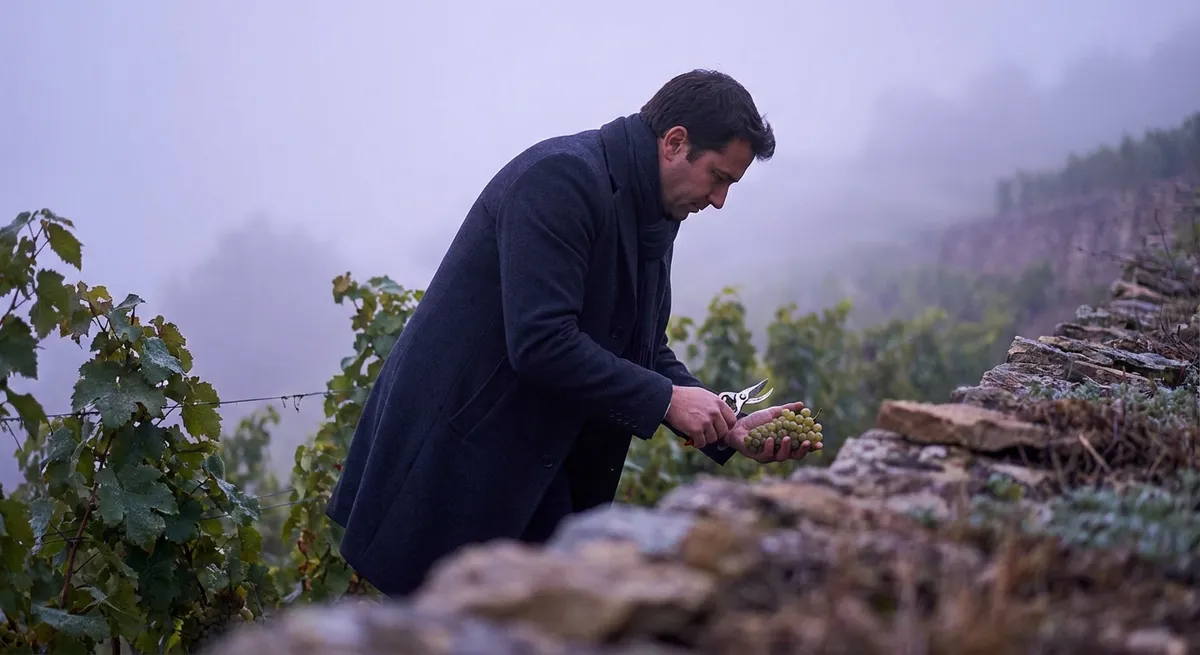
The most refined vineyard experiences are often a matter not of where you visit, but when. Serious enthusiasts know that dawn and late afternoon reveal truths about a site that no midday tour can offer. Morning visits show the vineyard in its most transparent mood: cool air, unhurried staff, and vines still beaded with condensation. The interplay of light and temperature at this hour lets you feel, physically, the diurnal shifts that shape ripening and acidity.
Late afternoon, by contrast, offers a glimpse into the vineyard’s exhale. As heat softens and shadows lengthen, you can sense how the vines endure the day’s stress and begin to recover. This “golden hour” is also when hospitality teams are often more relaxed; questions are answered more candidly, and there is time to walk a little slower, to taste a barrel sample in the cellar or compare current releases with an older vintage. When arranging visits, request a first or last appointment of the day and explain that you are particularly interested in understanding the light and temperature profile of the vineyard. Wineries that respond enthusiastically to such a request are typically those that treat their site as a fine instrument rather than a backdrop.
Beyond the Tasting Flight: Five Exclusive Insights for Devoted Enthusiasts
Seasoned visitors know that the most revealing details often live between the lines of a standard tour. When you arrive with thoughtful curiosity, you are more likely to be invited beyond the usual script. Consider these five insider-level focal points that elevate a visit from pleasant to profound:
Vine Age and Replacement Rhythm
Ask not just, “How old are these vines?” but, “How do you manage replanting?” Estates that replace vine by vine rather than by entire block reveal a long-term, artisanal mindset. Patchwork plantings of varying ages may yield smaller crops but often deliver greater complexity and resilience to climate extremes.
Clonal and Massal Diversity
Rather than accepting “Pinot Noir” or “Cabernet” as a monolith, inquire about clones and whether the estate uses massal selection (propagating from their own best vines) instead of commercial cuttings alone. Clonal diversity often translates to broader aromatic range and more layered textures—especially evident during comparative tastings from individual parcels.
Canopy Philosophy, Not Just Practice
Most tours will mention canopy management in passing; few explain the intention behind it. Ask how they balance shade and sun exposure in hotter vintages, how they manage leaf removal near harvest, and whether they adjust techniques parcel by parcel. The answers reveal how the estate negotiates ripeness, freshness, and phenolic maturity—crucial for wines that achieve power without heaviness.
Water, Stress, and Restraint
Irrigation is a delicate topic in many regions, and sophisticated producers choose their words carefully. Instead of asking, “Do you irrigate?” ask, “How do you use water to guide vine stress?” Listen for nuance: carefully timed deficit irrigation, dry farming where possible, or strategies that favor deep rooting over superficial vigor. These decisions are central to concentration, balance, and age-worthiness.
Barrel Room as Philosophy in Wood and Steel
When you reach the cellar, look past the ambience and focus on proportion: the mix of barriques, larger casks, concrete, and stainless steel. Ask why certain parcels see new oak while others do not, or how long wines typically remain on lees. A cellar dominated by small, new barrels may suggest an emphasis on overt style; a more varied collection often indicates a desire to let individual vineyard voices speak in distinct registers.
These five touchpoints are not meant to interrogate but to engage. Present them as genuine curiosity, and you will often find doors opening—literally and figuratively—to library rooms, special cuvées, and candid conversations rarely offered to casual visitors.
Sensing the Vintage in the Air
One of the most refined pleasures of a vineyard visit is learning to “read” an ongoing vintage while standing among the vines. Even if you are not present at harvest, there are telltale signs throughout the growing season that reveal how the year is unfolding. Early in the cycle, the pace of budbreak and flowering offers clues about timing and potential risk from late frosts or rain. Later, the look of the canopy—lush or restrained, stressed or balanced—speaks volumes about water availability and heat.
Ask your host how this season compares to benchmark years in their memory: earlier, cooler, more compressed? Serious vintners will reference specific vintages, often with a glint in their eye when recalling exceptional years. Note how their descriptions of this unfolding season align with the styles you already know from their library wines. Over time, repeated visits to the same estates across multiple years become an intimate education in the interplay between weather, human decision, and the continuity of a house style.
Bringing the Vineyard Home
The most rewarding vineyard visits do not end when you leave the estate; they quietly recalibrate every glass you pour thereafter. When you revisit a wine from a property you have walked, details that once seemed incidental become illuminated: the line of acidity that mirrors the evening chill you felt on the slope, the fine-grained tannins that echo the stony soils beneath your feet, the subtle salinity you now associate with maritime breezes you remember on your skin.
To preserve this connection, take notes not just on flavors but on sensory impressions of place: light quality, wind direction, soil underfoot, the vineyard’s ambient sounds. Pair your bottles at home with those memories—an autumn evening with a wine from a cool, misty site; a sunlit lunch with a cuvée born on a sun-bathed terrace. Over time, your cellar becomes less a collection of labels and more a curated atlas of landscapes you have known intimately.
Conclusion
A cultivated vineyard visit is less about access and more about attention. It is the art of moving slowly enough to perceive the quiet decisions that shape a wine long before it meets glass: where a vine is planted, how it is guided, how much it is asked to yield, how gently it is translated in the cellar. For the devoted enthusiast, these details transform travel into an ongoing dialogue with place, season, and craft.
When you next step between the rows, arrive as a listener rather than a tourist. Ask precise questions, linger in the moments between rehearsed talking points, and allow the site to reveal itself in its own cadence. The reward is a deeper, more enduring intimacy with the wines you love—an understanding that begins not with aroma or flavor, but with the quiet hum of a vineyard in its own, unhurried time.
Sources
- UC Davis Viticulture and Enology – Technical and educational resources on grape growing, canopy management, and winemaking
- Wine Institute – Sustainable Winegrowing – Overview of soil health, water management, and sustainable practices in vineyards
- Cornell College of Agriculture and Life Sciences – Grapes – Research-based insights into vine physiology, clones, and vineyard management
- Decanter – Understanding Terroir – In-depth discussion of how soil, climate, and site expression influence wine character
- Harvard T.H. Chan School of Public Health – Alcohol: Balancing Risks and Benefits – Evidence-based perspective on mindful wine consumption and health considerations
Key Takeaway
The most important thing to remember from this article is that this information can change how you think about Vineyard Visits.