There is a moment on a vineyard slope—often just before dusk—when the vines seem to exhale. The crowds have slipped away, the tractors have gone silent, and what remains is the quiet choreography of light, air, and ripening fruit. This is where a truly elevated vineyard visit begins: not with a checklist of wineries, but with a carefully composed experience that respects time, place, and the subtleties that serious wine enthusiasts cherish.
Cultivating the Perfect Arrival
The way you arrive at a vineyard sets the tone for everything that follows. Sophisticated travelers understand that a premium visit is less about speed and more about cadence.
Arranging an arrival outside peak hours—often mid-morning or late afternoon—allows the landscape to speak without interruption. You notice how the wind moves through the canopy, how the soil smells after a light rain, how the temperature shifts between vineyard blocks. Instead of rushing to the tasting bar, you begin with a brief walk among the vines, grounding yourself in the vineyard’s geography before ever lifting a glass.
A thoughtful arrival also involves a quiet conversation with your host about your preferences: your familiarity with the region, your interest in specific grape varieties or vintners, and any particular vintages you hope to explore. This doesn’t mean demanding exclusivity; it means aligning expectations so your time on the property feels intentional rather than improvised. The result is a visit that unfolds like a well-structured tasting menu—measured, layered, and personal.
The Vineyard as a Library of Climates
To the seasoned eye, a vineyard is less a postcard view and more an open book of microclimates. The greatest value of walking the rows with a knowledgeable guide is not the photo opportunity; it’s the chance to read the landscape with precision.
Slopes, aspects, and elevation are not abstract concepts when you can stand with one foot in morning sun and the other in afternoon shade. You begin to understand why a particular hillside is reserved for the estate’s most revered cuvée, or why older vines are preserved in a seemingly modest corner of the property. The repetition of vine after vine gives way to nuance: small variations in canopy height, soil color, or plant vigor that speak to decades of decisions.
Enthusiasts who ask about rootstock choices, replanting schedules, and canopy management discover layers rarely visible from the tasting room. These details reveal the long-term vision of the estate—how it navigates changing climate patterns, evolving regulations, and shifting stylistic trends. Once you grasp the vineyard as a living, evolving archive, every glass poured later in the visit carries added meaning.
Inside the Working Cellar, Not the Showroom
Many wineries maintain a polished façade for visitors, distinct from the working heart of the cellar. A more refined experience often lies in stepping gently beyond that surface.
With advance arrangements and respect for the production team’s time, it is sometimes possible to observe a cellar in its real rhythm: barrels being topped, tanks monitored, lab samples analyzed, bottling lines humming. The sights, sounds, and even temperatures of these spaces tell you more about a winery’s philosophy than any press release. Are there small experimental lots tucked away? Do you see a blend of traditional and modern vessels—concrete eggs, amphorae, large-format oak? Each choice reflects a deliberate stance toward texture, aging, and purity of fruit.
This is also where your questions can deepen the dialogue. Inquire about fermentation decisions—use of indigenous yeasts, maceration lengths, lees aging—without demanding proprietary secrets. A respectful, technically informed curiosity signals that you are not merely passing through; you are listening. The cellar, after all, is where the vineyard’s voice is translated, and watching that translation in progress is one of the most enriching privileges of a premium visit.
Five Exclusive Insights Seasoned Enthusiasts Quietly Rely On
Within the world of serious wine travel, a handful of understated practices consistently elevate vineyard experiences. They are rarely promoted in brochures, but they are known—and quietly valued—by those who visit often and well.
1. Harvest-Adjacent Visits Reveal More Than Harvest Itself
While the romance of harvest is undeniable, it can also be chaotic and restricted. The weeks just before or after main picking dates often provide richer access: staff have more time to talk, experimental lots may be available to taste, and vineyard conditions are still expressive. You witness the build-up or the aftermath, with more opportunity for real conversation.
2. Library Pours Are Negotiated, Not Advertised
Many estates maintain library stocks but seldom showcase them on standard tasting menus. A polite inquiry—especially if you are genuinely interested in purchasing or cellaring—may unlock a comparative pour of an older vintage. This reveals not just how a wine ages, but how the estate’s style, oak regime, or picking decisions have evolved over time.
3. Single-Parcel Tastings Decode a Region Better Than Maps
When possible, request a focused tasting of wines from distinct parcels or blocks within the same estate. Tasting side-by-side expressions from varying soils or exposures refines your palate far more than general regional overviews. You develop a mental map of the property that is sensory, not just cartographic.
4. Technical Sheets Are Quiet Treasures
Detailed technical sheets—often printed for trade or available by request—offer a wealth of understated insight: precise vineyard sources, picking dates, élevage details, and analytical data. Reviewing them after your tasting allows you to connect what you tasted with what, exactly, was in the glass. Over time, patterns emerge, and your preferences become meaningfully informed rather than impressionistic.
5. Returning in Different Seasons Teaches More Than Any Single Grand Visit
The most revealing vineyard relationships are built across seasons. A winter visit frames the skeleton of the vines and pruning philosophy; spring shows canopy decisions and early disease management; late summer clarifies ripening strategies. Observing the same property at different points in the cycle teaches you how vintage variation, climate realities, and agronomic choices truly play out.
Elevating the Tasting Itself
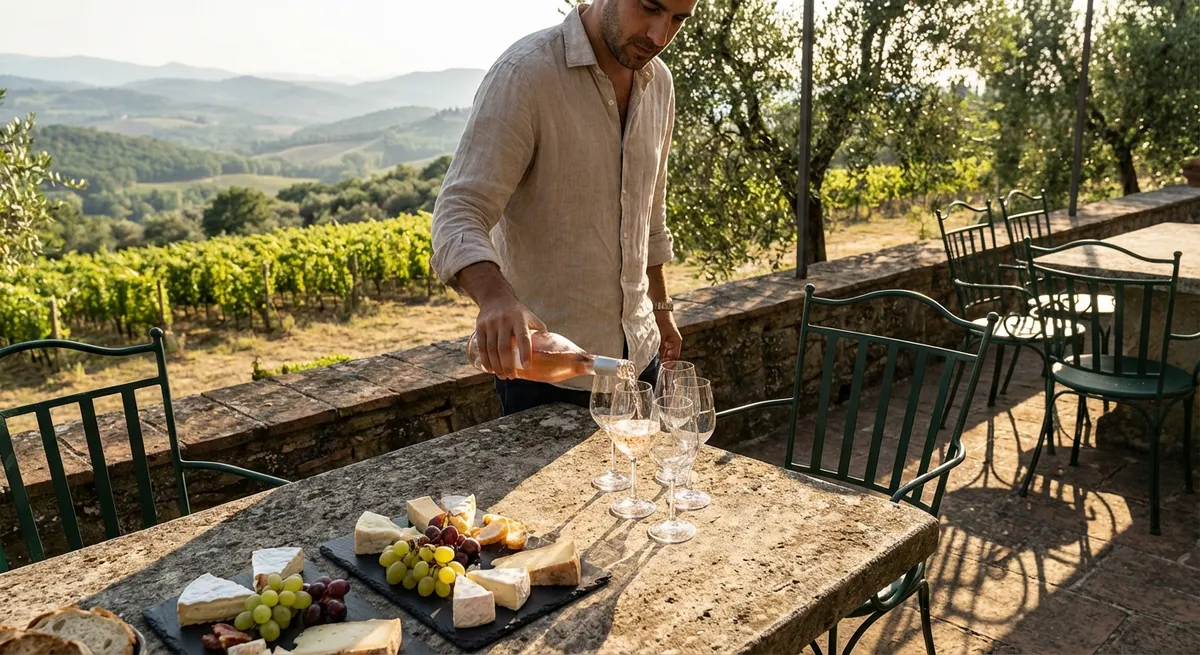
By the time you reach the tasting table, an elevated visit has already begun to work on you. You have walked the rows, glimpsed the cellar, and oriented yourself to the winery’s quietly held convictions. The tasting, then, becomes less an isolated event and more the final movement of a thoughtfully composed piece.
A refined approach to tasting on-site involves restraint and attention rather than volume. Fewer wines, more carefully examined, almost always lead to clearer insights. Taking brief notes—on structure, texture, and length rather than only aroma descriptors—helps crystallize your impressions. Savoring pauses between pours allows you to notice how each wine evolves in the glass and in your memory.
Dialogue matters here as well. Instead of asking, “What food should I pair with this?” consider probing the wine’s intended aging window, the vintage’s particular challenges, or how the estate defines success for that specific cuvée. Those questions reveal the intellectual and emotional architecture behind the bottle. And when you choose to purchase, you are not simply acquiring wine; you are extending a relationship that started in the vineyard rows.
Crafting a Collection of Experiences, Not Just Bottles
The most meaningful vineyard visits leave behind more than photos and a car trunk full of wine. They shape how you think about craftsmanship, place, and time. Over years, a thoughtfully curated series of visits becomes a kind of personal atlas—a map of tastes, textures, and conversations stitched together across regions and vintages.
By favoring depth over breadth, seeking working spaces over polished façades, and returning to places that reward long-term attention, you join a quieter, more discerning current of wine travel. This is the realm where vineyard visits evolve from leisure activities into ongoing dialogues—between visitor and vintner, between land and glass, and ultimately between who you were when you first tasted a region and who you become as your palate and perspective mature.
Sources
- University of California, Davis – Viticulture and Enology - Technical background on vineyard and winemaking practices that inform cellar and vineyard observations during visits
- Cornell University – Growing Grapes for Wine Production - Insight into vineyard management, climate, and site selection that shape the character of estate wines
- Wine Institute (California) - Overview of regional differences and appellations, useful for understanding vineyard location and microclimate nuances
- Decanter Magazine - Practical and expert-driven guidance on visiting wineries and enriching the tasting experience
- OIV – International Organisation of Vine and Wine - Global reference for viticultural and oenological standards that underlie many practices seen in vineyards and cellars
Key Takeaway
The most important thing to remember from this article is that this information can change how you think about Vineyard Visits.