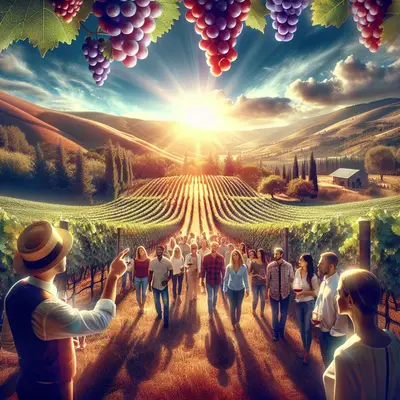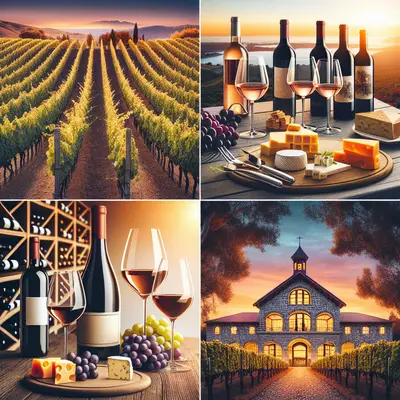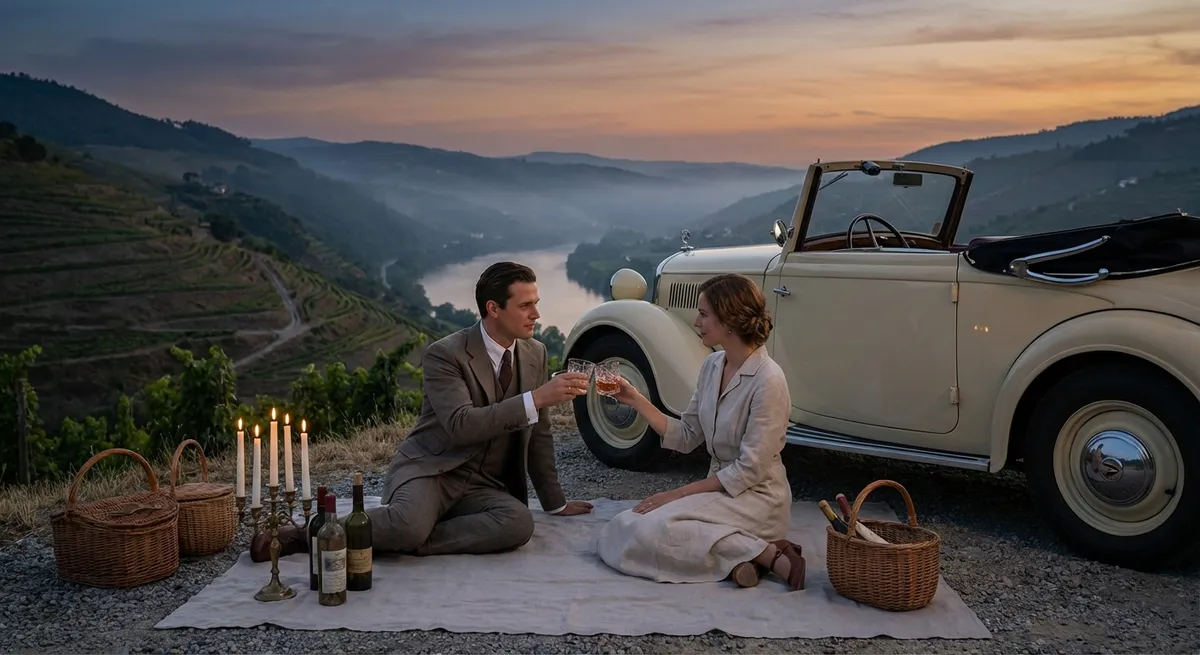
There is a moment on an exceptional wine tour when conversation naturally softens: the sun drops behind a vineyard ridge, the glass in your hand catches the last light, and time feels deliberately unhurried. Wine travel at its most refined is not about racing between tastings or ticking off famous labels; it is about entering the quiet, meticulous world that exists behind each bottle. For discerning enthusiasts, the true luxury lies in access, context, and nuance—those details that rarely appear on a tasting-room menu but shape everything in your glass.
This guide explores how to curate wine tours that feel truly elevated, with five exclusive insights that serious wine lovers will recognize and appreciate. Think of it as a blueprint for transforming a pleasant day of winery visits into an immersive, almost cinematic experience—one that lingers long after the last pour.
Designing a Journey Around Wine, Not Just Wineries
Many travelers approach wine touring as a checklist of estates; connoisseurs know the starting point should be the wines themselves. Rather than asking “Which wineries should I visit?”, begin with “Which styles, regions, and vintages fascinate me right now?” and then sculpt an itinerary to serve those curiosities.
A Burgundy devotee might plan a journey that traces the gradient from village-level to premier cru to grand cru, arranging tastings that allow side-by-side comparison of parcels separated by only a stone wall. A lover of cool-climate reds might follow latitude and elevation instead of appellation, exploring how Pinot Noir expresses itself from Oregon to Chile’s Casablanca Valley. This approach invites conversations with winemakers about clone selection, canopy management, and picking decisions—not as technical trivia, but as the narrative threads behind each sip.
Build your days around thematic progressions: perhaps a morning focused on old vines, an afternoon devoted to amphora and concrete, an evening comparing barrel regimens. When your route is shaped by questions rather than landmarks, every stop becomes a deliberate chapter in a story you are actively composing.
Inside the Cellar: When Access Becomes the True Luxury
For seasoned enthusiasts, the most memorable wine tours happen not at the bar, but behind the door marked “Private.” A barrel room at rest—cool, dim, fragrant with toasted oak and fermenting fruit—is where the soul of the winery resides. Gaining access to this space, and to the people who move quietly within it, transforms a tasting into a collaboration.
Arrange visits that specifically include time with the winemaker or cellar master, ideally outside of peak visitor hours. The most revealing conversations often happen while standing beside open-top fermenters or tasting directly from barrel. Here, you can ask about press fractions, wild versus inoculated fermentations, or the decision to rack—or not—before bottling. These are the decisions that never appear on a label, yet define the character and aging potential of a wine.
If you have a particular technical interest—whole-cluster fermentation, low-sulfur regimes, extended lees contact—share that in advance. Many top estates are pleased to curate a cellar-focused tasting flight that aligns with your curiosities. The result is an experience that feels more like a professional exchange than a consumer visit, without sacrificing the sense of calm, polished hospitality.
The Five Subtle Privileges of an Elevated Wine Tour
Beyond obvious luxuries like private drivers or five-star accommodations, there are subtler privileges that shape a truly elevated wine journey. Serious enthusiasts recognize these as the quiet signatures of an experience designed with care.
Library and “Off-List” Bottles
The best visits include at least one wine not normally poured for the public—often a back-vintage bottle from the library or a micro-cuvée reserved for club members. These wines reveal how the estate ages and how its style has evolved. When a host opens a bottle “just for you,” it signals that you are being welcomed into the estate’s inner narrative, not simply its current release.
Comparative Flights with Purpose
Instead of tasting wines in a linear list, refined experiences present them in meaningful pairs or trios: same vintage, different parcels; same parcel, different vintages; same grape, different vessels (oak, concrete, amphora). This allows your palate to triangulate subtleties you might otherwise miss—texture shifts, aromatic contours, or the way tannins are shaped by soil or élevage.
Time Carved Out for Silence
The most sophisticated tours recognize that profound wines demand moments of quiet. A private terrace overlooking the vineyard, a bench tucked beside old vines, or a calm corner in the cellar gives you space to sit with a single glass and observe how it unfolds in the air. This is where you notice the secondary and tertiary notes and how the finish lingers or transforms.
Context from the Vineyard Itself
Walking the rows—feeling the soil underfoot, noting slope and exposure, observing pruning and trellising—deepens your understanding of what is in your glass in ways no tasting note can. Pay attention to small details: cover crops between vines, density of planting, the presence of old vine trunks with thick, gnarled bark. These observations become part of your mental tasting library, enriching every future encounter with that producer.
Food Pairings that Reveal, Not Distract
At elevated estates, food pairings are designed not to impress with complexity, but to clarify the wine’s architecture. A precise pairing—a barely seasoned crudo with a taut coastal white, a simple roasted quail with a finely structured Grenache—acts like a lens, sharpening your perception of acidity, tannin, and aromatic lift. Seek experiences where the kitchen and cellar are in dialogue, not competition.
Curating Your Personal Map of Excellence
Over time, dedicated wine travelers move beyond star ratings and famous names to build a deeply personal map of excellence. This map is defined less by critical scores and more by emotional resonance: places where the landscape, the people, and the wines felt harmoniously aligned.
Keep a detailed travel journal that goes beyond tasting notes. Record the exact parcel you walked, the way the light fell on the vines, the stories shared about a difficult vintage or a bold replanting decision. Note which producers spoke about sustainability with specificity—cover-crop choices, water management, biodiversity initiatives—rather than in vague marketing terms. These details become filters you can use when choosing future destinations.
As your experience grows, consider structuring trips around intimate, high-character producers rather than only marquee names. In regions like Piedmont, the Mosel, or the Santa Rita Hills, small family estates often deliver the most revealing encounters: winemakers pouring wine at their own kitchen tables, multi-generational teams working side by side in the vineyard, and cellars where every barrel has a clear purpose and a known history.
Your goal is not to “see it all,” but to encounter enough depth in selected places that you begin to recognize patterns—how limestone whispers differently from basalt, how altitude rewrites the script for ripeness, how old vines speak in lower volume but greater precision.
Conclusion
Refined wine travel is less about spectacle and more about calibration—of time, access, and attention. When you design your journeys around the questions you most want to explore, prioritize meaningful cellar access, and seek out those subtle privileges that only insiders notice, each tour becomes a continuation of your education as a taster.
The world’s great wine regions are generous to those who arrive curious, unhurried, and open to nuance. With intention and a discerning eye, your next itinerary can transcend sightseeing and evolve into something far rarer: a series of quiet, unforgettable horizons where place, craft, and glass fall into perfect alignment.
Sources
- Wine Institute – World Wine Production and Consumption Statistics - Offers global data that helps contextualize major wine regions and their production levels
- UC Davis Department of Viticulture and Enology - Authoritative research and educational resources on grape growing, winemaking, and cellar practices
- Institut National de l’Origine et de la Qualité (INAO) - Official French body governing appellations; useful for understanding terroir, regulations, and regional distinctions
- OIV – International Organisation of Vine and Wine - Provides technical reports and standards on viticulture, oenology, and wine markets worldwide
- Decanter Magazine - Curated articles and guides on wine travel, producers, and regions, valuable for planning sophisticated itineraries
Key Takeaway
The most important thing to remember from this article is that this information can change how you think about Wine Tours.