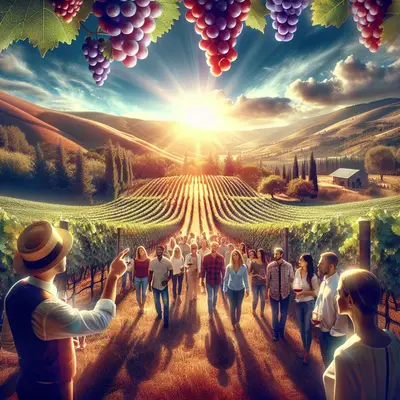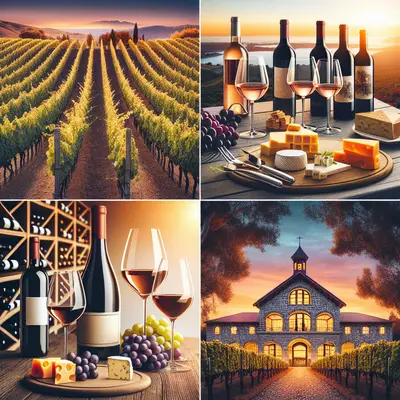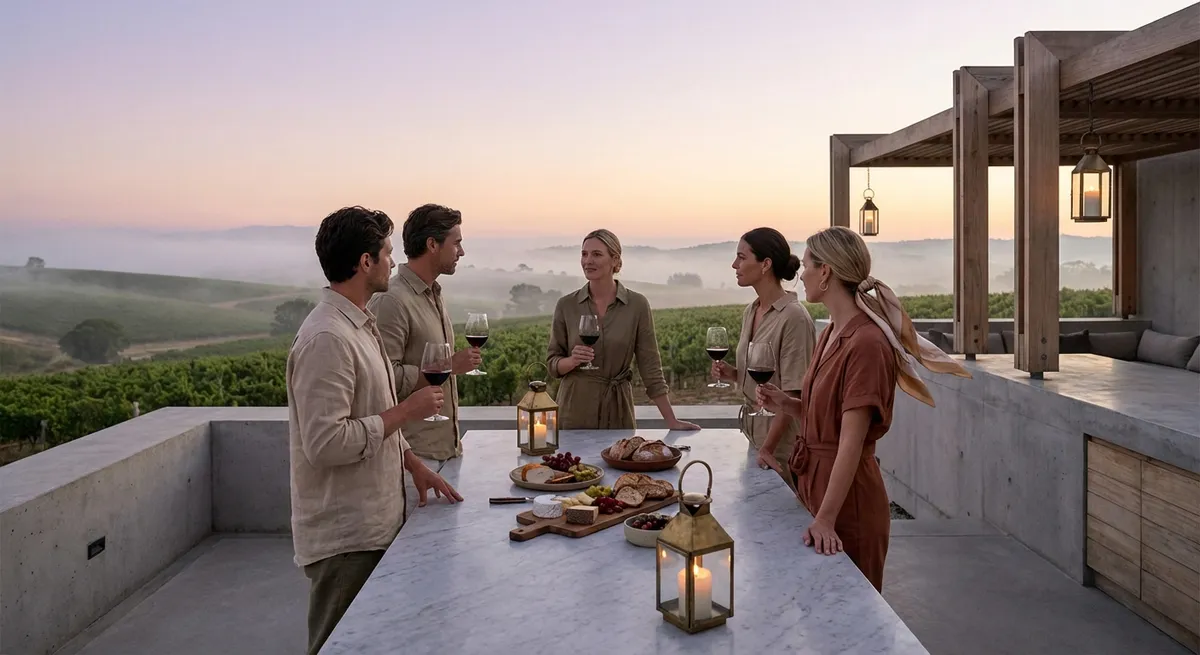
There is a moment on an exceptional wine tour when the world narrows to a single glass, a subtle breeze, and the precise angle of afternoon light over the vines. That moment—unhurried, perfectly composed, almost cinematic—is no accident. It’s the product of thoughtful curation, deep relationships with estates, and an understanding that luxury in wine travel is no longer about excess, but about intentional, quietly extraordinary detail. For the modern wine enthusiast, the most memorable journeys are those that reveal what ordinary visitors never see—and never even think to ask for.
The New Language of Luxury in Wine Travel
Today’s premium wine tours are less about marquee labels and more about narrative—of land, family, and craft—told with tact and restraint. Instead of rushing between a dozen tasting rooms, the refined traveler chooses fewer stops, but with greater depth: single-estate immersions, focused thematic experiences, and curated encounters with people who shape the wines themselves.
This new luxury is discreet. It may appear in the form of a private library tasting of back-vintage wines not listed anywhere, or a walk through a vineyard block at dusk when the last picking crew has left and the vines are silent. It might be a tasting that compares soil types within a single appellation, or a slow lunch where each course is anchored not by “perfect pairings” but by a philosophical dialogue between chef and winemaker.
Importantly, the emphasis has shifted from overt prestige to sensory precision: temperature of the cellar, quality of stemware, soundscape of the tasting room, and even the pacing between pours. Collectors and enthusiasts are seeking a deeper calibration—an experience that feels composed rather than staged, and that respects both their cellar knowledge and their curiosity.
Curating the Unseen: Designing an Itinerary Beyond the Obvious
An elevated wine tour begins long before you set foot on a vineyard. The most rewarding itineraries are designed with a narrative arc rather than a checklist. Instead of simply mapping out AVAs or famous estates, consider the story you want your journey to tell: perhaps it’s about the evolution of a region, the nuances of altitude, or the contrast between heritage producers and visionary newcomers.
A refined itinerary might begin with a historic estate that shaped a region’s identity, then move to a small, experimental producer working with lesser-known varietals, and conclude with a vineyard that exemplifies cutting-edge viticulture—organic, biodynamic, or precision-farmed. The progression allows you to understand not just where a region is, but how it arrived there and where it is going.
Time is the most undervalued luxury on a wine tour. Build in generous intervals between visits to allow for reflection, palate reset, and the spontaneous conversations that often become the highlight of the day. An extra hour spent in a single cellar with the estate’s viticulturist will often teach you more than three hurried tastings in crowded rooms.
Finally, anchor at least one day around a single estate. Arrive in the morning for a vineyard walk, follow with a cellar tour during active work, and end with a seated tasting that includes wines still in barrel. This depth of immersion transforms a “visit” into a relationship—and that is where the most compelling wine memories tend to live.
Five Exclusive Insights for Serious Wine Enthusiasts
Within the world of elevated wine tours, there are nuances that seasoned travelers quietly seek out—markers of quality and authenticity that rarely appear in brochures. These insights can transform a well-planned trip into an unforgettable one.
1. The Most Revealing Tastings Happen in Imperfect Moments
Many visitors instinctively aim for perfect weather and postcard conditions. Enthusiasts in the know understand that estate visits during transitional or challenging periods—harvest chaos, foggy mornings, or winter dormancy—often yield the most honest, instructive experiences.
During harvest, you can taste fermenting juice at different stages, observe decisions about sorting and extraction, and feel the tension of timing in the cellar. In winter, quiet vineyards and slower schedules invite more candid discussions about difficult vintages, replanting strategies, and long-term visions. These less glamorous moments are where a winery’s character is laid bare.
2. Barrel Rooms Tell You More Than Tasting Rooms
While tasting rooms are curated for guests, barrel rooms are curated for time. Serious enthusiasts pay close attention here: the variety of coopers, toast levels, barrel ages, and stacking methods all whisper clues about a winemaker’s philosophy.
Ask to compare the same wine aging in different vessels—new oak vs. neutral barrel, large-format foudre vs. stainless steel, or even amphorae. Just a few drops from each can reveal how structure, texture, and aromatics are being sculpted. What you learn in the barrel room reframes everything you taste in bottle; you begin to understand not just “what” you like, but “why.”
3. Vineyard Blocks Are More Important Than “Viewpoint Vines”
Many estates have a photogenic hilltop or sweeping vista designed for visitors. Enthusiasts should graciously enjoy the view—and then ask to see the “workhorse” and “jewel” blocks. This is where the true story of the wine resides.
Subtle differences in aspect, drainage, rootstock, and row orientation can profoundly alter a wine’s character. Walking a slope with both older vines and recent replantings reveals how the estate is thinking 20, 30, or 50 years ahead. Standing in a single parcel that supplies fruit for a flagship cuvée, while tasting the bottled wine it becomes, collapses distance between land and glass in the most compelling way.
4. Vertical Tastings Are Only Half the Story; Context Tastings Are the Other
Vertical tastings—sampling multiple vintages of the same wine—are rightly celebrated among collectors. Yet a rarer, equally enlightening format is what might be called a “context tasting”: tasting one wine against its peers in a meaningful frame.
For instance, sampling a single producer’s Chardonnay from different elevations, or the same variety grown on limestone vs. granite, or a specific grape from three neighboring appellations. This kind of side-by-side exploration, especially when led by the winemaker, reveals the precision of their craft and the subtle voices of each site. It transforms tasting from simple enjoyment into a form of quiet investigation.
5. The Most Valuable Conversations Are Not Always with the Winemaker
The winemaker’s perspective is essential, but enthusiasts increasingly seek out the voices around them: the vineyard manager who can speak about irrigation choices in a drought year; the cellar master who remembers the evolution of house style over decades; the hospitality director who curates global guest palates and feedback.
On a refined tour, look for opportunities to meet the people whose decisions never appear on labels but are etched into every bottle. Ask how they adapted to a challenging vintage, what experiment they’re most excited about, or which under-the-radar wine they quietly adore. These conversations change how you read a wine list and how you build your own cellar.
Crafting a Sensory Framework: How to Taste with Intent
At the highest level of wine touring, the objective is no longer to determine whether a wine is “good,” but to understand how it expresses its origin and the choices behind it. This begins with a deliberate sensory framework.
Approach each tasting with a specific question in mind—texture, balance, evolution in the glass, or the expression of a particular site. Instead of racing through a flight, spend more time with fewer wines. Note how they change with air and temperature: does the wine gain complexity, or does it fall apart? Does oak remain a frame, or does it begin to dominate?
For serious enthusiasts, spittoons become a tool of discernment, not restraint. Spitting allows you to preserve clarity across multiple estates, especially when evaluating fine distinctions. Take discreet notes with language that reflects structure and sensation (tension, grip, linearity, breadth) rather than simply flavor descriptors. Over time, this lexicon becomes an atlas of your palate.
Finally, pay attention to your own energy levels. A fatigued palate struggles to perceive nuance, no matter how grand the setting. The most sophisticated tours conclude their day with a focused, contemplative tasting rather than a final flourish of excess.
The Art of Leaving Well: From Experience to Cellar Strategy
How you leave an estate is as important as how you arrive. Premium wine travel becomes truly valuable when each visit subtly refines your long-term approach to collecting and enjoyment.
Instead of purchasing impulsively at every stop, consider your cellar as a curated narrative rather than storage. Ask which wines are built to age gracefully and which are crafted for earlier drinking. Inquire about the optimal drinking window and how the wine typically evolves over time. Photograph labels and jot a brief impression while the memory of the place is still vivid.
The finest tours also inspire future exploration. Perhaps you discovered a grape variety that shines in unexpected corners of Europe, or a particular soil type that consistently resonates with you. Use these discoveries to guide your next journey—geographical, sensory, or intellectual.
In the end, the most refined wine tours feel less like itineraries and more like composed chapters in an ongoing dialogue between land, craft, and your own evolving palate. The real luxury is not in how many prestigious doors open for you, but in how deeply each one quietly changes the way you taste.
Conclusion
Elevated wine travel today is defined not by spectacle, but by exacting attention to detail and an almost literary sense of pacing and plot. It is about discovering the quiet spaces between sips: the decisions in the vineyard, the experiments in the cellar, the candid conversations behind closed doors. For the serious enthusiast, a thoughtfully curated wine tour does more than fill a journal or a suitcase; it sharpens perception, refines preference, and deepens respect for the intricate, patient craft behind every bottle.
When designed with intention and experienced with curiosity, these journeys become less about checking regions off a map and more about inhabiting, for a moment, the horizon line where place, time, and taste converge.
Sources
- Wine Institute – World Wine Production and Consumption Data – Provides context on global wine regions and production trends, useful for understanding regional significance while planning wine travel.
- Institute of Masters of Wine – Understanding Terroir – Offers an authoritative overview of terroir and site expression, central to vineyard-focused wine tours.
- UC Davis Department of Viticulture and Enology – Educational resource on viticulture, winemaking, and sensory analysis, supporting the technical elements referenced in cellar and vineyard experiences.
- Wines of Bordeaux – Official Regional Site – An example of how major regions articulate terroir, appellations, and stylistic diversity relevant to designing narrative-driven itineraries.
- Decanter – Guide to Wine Tasting – Provides professional-level tasting frameworks that align with intentional, structured tasting approaches on premium wine tours.
Key Takeaway
The most important thing to remember from this article is that this information can change how you think about Wine Tours.