There is a moment, just before the first pour, when a vineyard visit can transform from a pleasant outing into something quietly transcendent. For the devoted wine enthusiast, the goal is no longer to “see a winery” but to enter a world of nuance—where time slows, conversations deepen, and each glass becomes a deliberate gesture. At Wine Tour Adventures, we believe that the finest vineyard experiences feel less like tourism and more like a private ritual, crafted with intention and a certain elegant restraint.
In this spirit, the following five insights are not about ticking boxes on a tasting itinerary. They are about re-framing how you approach the vineyard itself, so that each visit unfolds with the deliberateness and refinement worthy of the wines you love.
Reading the Vineyard Before You Taste
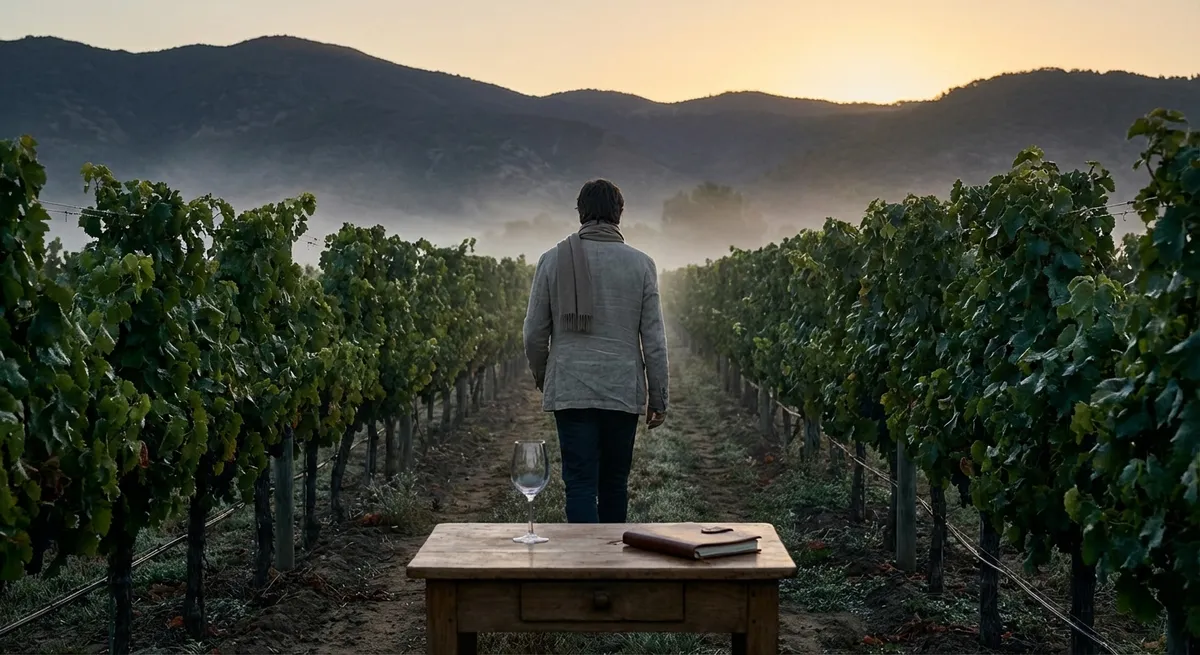
A truly elevated visit begins before you step into the tasting room. It starts in the rows, with a quiet reading of the land. The most devoted enthusiasts learn to “taste” the vineyard with their eyes long before they lift a glass.
Notice the orientation of the vines—are they facing the early morning light or basking in the softer glow of late afternoon sun? Pay attention to slope and elevation: a gentle incline might suggest better drainage and cooler nights, key to preserving acidity in the grapes. If permitted, touch the soil at the edge of the rows; is it crumbly and chalky, or darker and more loamy? Subtle details—cover crops between rows, canopy management, the spacing of vines—tell you how the estate balances vigor, yield, and flavor concentration.
Approach your host with questions anchored in these observations. Ask how that particular exposure influences harvest decisions, or how a specific soil type affects tannin structure or aromatic profile. Suddenly, the tasting becomes a continuation of what you have already begun to interpret outdoors: not a disconnected series of wines, but the logical outcome of the place beneath your feet.
Moving Beyond the “Lineup”: Tasting by Narrative, Not by List
Many winery experiences are arranged as a linear progression: sparkling to white, lighter red to fuller bodied, finished with a sweet wine. While this format is practical, it can flatten nuance and encourage passive sipping. To create a more refined encounter, reframe your tasting as a narrative instead of a sequence.
Rather than asking, “What are we tasting today?” consider asking, “What story do you want these wines to tell?” This simple shift invites your host to curate the order with intention—perhaps starting with a single-varietal bottling that expresses the vineyard’s core identity, then exploring a blend that layers complexity and texture, followed by a library vintage that reveals how time reshapes the same terroir.
Within that narrative, compare wines not only by style but by decision: one parcel picked slightly earlier to emphasize tension and freshness; another allowed to ripen longer to express depth and generosity. When possible, taste different vintages of the same wine side by side, allowing you to experience the arc of a season and to understand the winemaker’s evolving philosophy. The result is an experience that feels composed rather than scripted, more like a conversation than a presentation.
Seeking the Winemaker’s Hand—And Knowing When It Disappears
In elevated wine circles, the phrase “sense of place” is now almost obligatory. Yet the most discerning visitors look equally for the “sense of hand”: the winemaker’s deliberate, sometimes barely perceptible, intervention. True sophistication lies in understanding how these two forces—terroir and technique—intertwine.
During your visit, ask not simply which barrels were used, but why. Inquire whether the estate favors native ferments over cultured yeasts, or whether they practice whole-cluster fermentation for certain cuvées and destemming for others. These decisions reveal how the winemaker interprets the raw material: choosing to polish, amplify, or simply frame what the vineyard provides.
Listen closely for moments when the winemaker describes doing less, not more. Perhaps they reduced maceration time in a particularly ripe year to preserve elegance, or restrained new oak to avoid overshadowing delicate aromatics. A sophisticated palate does not merely seek power or richness; it recognizes when the winemaker’s hand becomes almost invisible, leaving only the quiet authority of the vineyard itself. In the most refined experiences, that near-disappearance is the point.
Designing Your Own Pace: Time as the Ultimate Luxury
The rarest luxury in wine country is not a private tasting room or a coveted allocation—it is unhurried time. The discerning visitor understands that the rhythm of a vineyard day should feel expansive, not compressed into back-to-back appointments separated only by GPS directions.
Rather than stacking visits, consider curating a single, extended experience around one estate or one micro-region. Begin with a late-morning vineyard walk while the light is soft and the air still cool. Next, move into a cellar or barrel room for a quiet, focused exploration of unfinished wines, allowing you to glimpse the future of the estate. Conclude with a seated tasting that naturally evolves into a leisurely lunch or curated pairing, allowing the wines to revisit you in different guises.
Give yourself permission to linger in the in-between spaces: a bench overlooking a particular block, a quiet corner of the cellar, a terrace where you can watch the vineyard’s contours shift with the afternoon sun. These unscripted pauses are where impressions settle into memory. The finest vineyard visits feel almost elastic in time—expanding to accommodate thought, genuine conversation, and the slow, deliberate enjoyment of each glass.
Curating Memory: From Souvenir to Ongoing Dialogue
For most visitors, leaving with a bottle is a pleasant memento. For the serious enthusiast, it becomes something more: an instrument to continue the conversation with the vineyard long after the visit has ended.
Instead of simply purchasing a favorite wine, think in terms of future occasions and comparative tastings. Select one bottle for near-term enjoyment—perhaps a current vintage that mirrors the wines tasted during your visit—alongside one or two bottlings earmarked for cellaring. Consider choosing wines that will reveal different facets of the estate over time: a structured red that will open gracefully in a decade, or a textured white that will evolve in layers of complexity.
Record not only tasting notes, but contextual impressions: the smell of the cellar, the way the wind moved through the vines, a particular story shared by the winemaker. When you eventually open those bottles, recreate a fragment of the original experience by revisiting your notes and pairing the wine with a similarly unhurried moment. In doing so, the vineyard is no longer just a place you visited; it becomes an ongoing relationship, renewed each time the cork is drawn.
Conclusion
The most refined vineyard visits are defined less by exclusivity than by intentionality. They invite you to read the land before you taste, to experience wines as a narrative rather than a checklist, to recognize both the presence and the absence of the winemaker’s hand, to reclaim time as a true luxury, and to treat bottles not as trophies, but as future chapters in an evolving dialogue.
For those who seek more than a pleasant afternoon among the vines, these quiet refinements transform a standard tasting into something akin to a private ritual—measured, thoughtful, and deeply personal. In that stillness between pour and first sip, the vineyard reveals itself not as a destination, but as a world you are invited to enter, one considered glass at a time.
Sources
- UC Davis Department of Viticulture and Enology – Technical resources on viticulture and winemaking practices, including canopy management, fermentation choices, and barrel use
- Wine Institute – The Science of Terroir – Overview of how climate, soil, and topography influence wine style and quality
- Decanter: Understanding Wine Vintages – Insight into how different vintages shape wine character and why comparative tasting matters
- JancisRobinson.com – Cellaring and Aging Wine – Guidance on buying for the cellar and turning bottles into long-term experiences
- Harvard T.H. Chan School of Public Health – Alcohol: Balancing Risks and Benefits – Evidence-based overview of responsible wine and alcohol consumption
Key Takeaway
The most important thing to remember from this article is that this information can change how you think about Vineyard Visits.