Vineyard visits can be pleasant; truly exceptional vineyard visits feel almost cinematic—measured, intimate, and quietly unforgettable. The difference rarely lies in grand gestures. Instead, it rests in the details: the way light moves across the vines, the cadence of a winemaker’s explanation, the texture of the stemware in your hand. For travelers who seek more than a simple tasting flight, vineyard time becomes a curated encounter with place, craft, and personality.
This guide explores how to transform a routine visit into a rarefied experience, revealing five discreet yet powerful insights that seasoned wine enthusiasts quietly rely on—but rarely discuss out loud.
Reading the Vineyard Before the First Pour
Before the first glass is poured, the vineyard itself has already begun telling its story. Attentive travelers know that a visit starts outside the tasting room: with the rows, the soil, the topography, and the atmosphere. Strolling the vineyard—preferably before your scheduled tasting—allows you to register the subtleties that will later echo in the glass. Notice how tightly the vines are planted, how meticulously the canopy is managed, and how the sun strikes different slopes at various angles.
Take in the soil underfoot: is it stony, chalky, clay-rich, or sandy? Does the air feel dry and bracing, or humid and perfumed? These details are not academic; they are sensory cues that will frame every aroma and texture you experience later. Enthusiasts learn to quietly compare what they see outside with what they taste inside. A lean, mineral-driven white from a steep, rocky hillside will make sudden intuitive sense once you’ve walked that incline yourself. By the time you reach your first pour, you are not merely tasting wine—you are tasting an environment you have already begun to understand.
Insight One: Request the “Winemaker’s Thread”
Many winery visits default to a standard flight—pleasant, polished, and carefully orchestrated. Those in search of something more nuanced learn to ask for what might be called the “winemaker’s thread”: a sequence of wines that reveals how a single mind has negotiated the challenges of different vintages, parcels, and styles. Rather than sampling a broad survey of the portfolio, ask if your host can pour wines that share a connective logic: perhaps the same grape from three vintages, or the same parcel expressed through different fermentation techniques.
This approach allows you to trace patterns in the winemaker’s decisions—where they lean into ripeness, where they rein it back, when they choose oak, and when they trust stainless steel. You begin to sense not just what the winery produces, but how it thinks. The conversation shifts from “Do you like this?” to “What changed here, and why?” In that quiet pivot, your visit becomes less transactional and more interpretive, a shared exploration between host and guest. This is where the true personality of a winery reveals itself.
Insight Two: Explore the “Edges” of the Portfolio
The wines that define a winery’s reputation are often not the wines that most reward close attention on a visit. Enthusiasts know to explore the “edges” of the portfolio—the experimental cuvées, small-lot bottlings, or site-specific wines that never reach large distribution. These are often poured only on request or reserved for visitors who express deeper curiosity.
Ask, without urgency but with genuine interest, whether there are limited releases, single-barrel selections, or club-only bottlings that express something unusual: an unconventional varietal, a rare clone, or a vineyard block that fascinates the winemaking team. The goal is not to chase rarity for its own sake, but to glimpse the winery’s more inquisitive side.
Tasting these wines reveals what the estate prioritizes when it is not bound by commercial expectation—perhaps a more restrained alcohol level, a wild-ferment experiment, or an almost monastic focus on one tiny parcel. The best conversations at wineries often begin when a host opens one of these bottles and says, almost conspiratorially, “This is something we’re particularly proud of, but we don’t pour it for everyone.”
Insight Three: Time Your Visit to the Rhythm of the Cellar
The same vineyard can feel utterly different in January than it does in September, and discriminating travelers use timing as a tool for more meaningful experiences. Peak-tourist seasons may deliver sweeping vistas and buzzing patios, but the quieter months, or midweek visits, often reveal the deeper intimacy of a working estate. Each season carries its own vantage point: harvest shows you urgency and decision-making; winter reveals the calm architecture of barrels and tanks; spring displays the tentative promise of a new vintage.
When scheduling, consider aligning your visit with a moment in the winery’s calendar that matches what you wish to learn. If you’re fascinated by fermentation choices, traveling during harvest or shortly after may allow you to see tanks in active use and taste from young, still-evolving lots. If your interest lies in élevage and blending, an appointment in the months when the team is making final cuvée decisions may yield barrel samples and discussions about texture, structure, and longevity.
By treating timing as an instrument, you move from being a passive visitor to a guest who steps into the winery’s true rhythm—when questions become more three-dimensional because the work is visibly underway around you.
Insight Four: Attend to Glassware, Temperature, and Silence
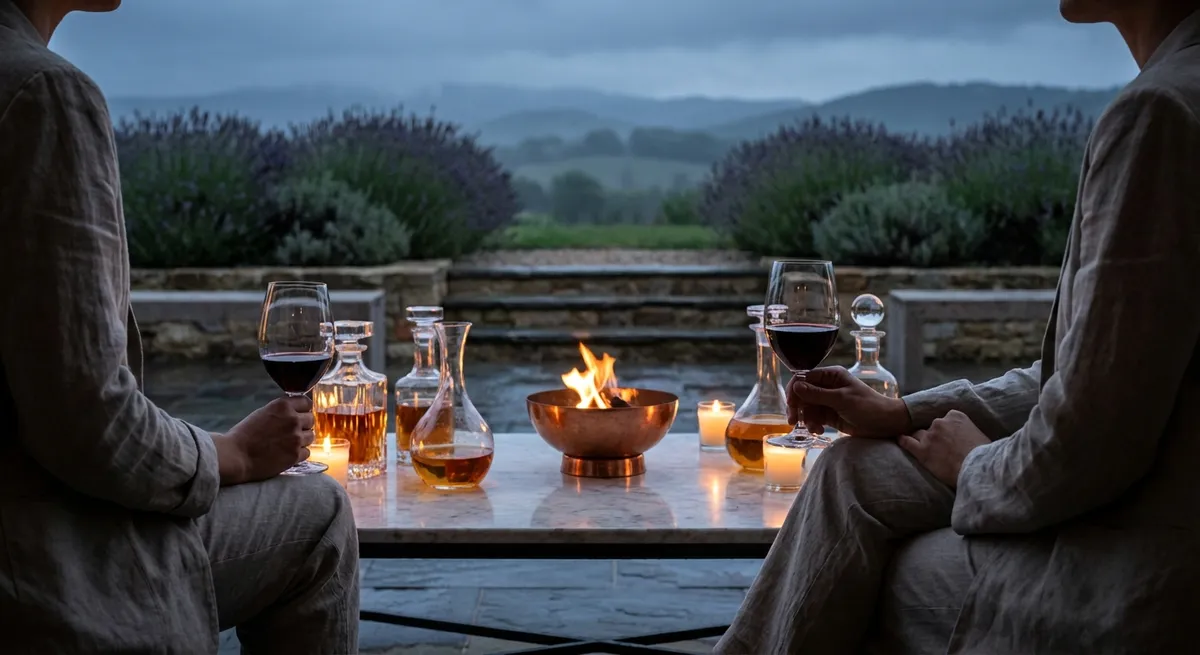
Refined experiences are rarely about extravagance; they are about precision. Subtle factors—often overlooked—can profoundly shape your perception of a wine. Observant visitors pay attention to glassware: Are different shapes used for aromatic whites, structured reds, or sparkling wines? Does the estate choose universal stems for versatility or specialized glassware for each style? If you sense a mismatch—an elegant, aromatic wine served in a too-small bowl—polite curiosity can open an engaging dialogue about how the winery thinks about service.
Temperature is equally critical. A premium white served too cold or a complex red poured too warm can flatten nuance. Rather than criticizing, consider asking if you may revisit a wine slightly later in the tasting, once it has had time in the glass. Notice how the aromatic profile shifts, how texture relaxes or tightens.
Perhaps most underrated is the role of silence. In between questions and conversation, allow moments when you simply hold the glass, observe the aromas, and contemplate the finish. The finest hosts recognize and respect these quiet intervals; they understand they are not gaps in service, but space for reflection. Sophisticated travelers intentionally cultivate them, turning a routine tasting into a meditative, almost private dialogue with the wine.
Insight Five: Look for the Estate’s “Future Story”
Many visitors focus entirely on what is in the bottle today. Enthusiasts with a longer view ask about what is not yet in the cellar—or on the map. During your visit, gently steer the conversation toward the estate’s future story: planned replanting, new varietals under consideration, evolving farming practices, or sustainability initiatives that might reshape the vineyards over the next decade.
Inquire about experiments with organic, biodynamic, or regenerative practices, not as a marketing checkbox, but as part of the estate’s long-term philosophy. Are they trialing different rootstocks to address climate shifts? Exploring cooler exposures or higher elevations? Reconsidering irrigation to preserve water resources? These are not abstract concerns; they will define the wines you taste five, ten, or twenty years from now.
When a winery shares its aspirations and concerns with candor, you gain more than information—you gain context for your future relationship with that place. A cellar of treasured bottles becomes, in effect, a personal archive of how one estate responded to changing conditions and refined its craft over time. Every return visit feels layered with continuity and evolution, rather than a series of disconnected tastings.
Weaving Your Own Vineyard Narrative
Refined vineyard visits are less about chasing the most famous label and more about composing a series of intimate, textured encounters with people, land, and time. By reading the vineyard before you taste, following the winemaker’s thread, exploring the portfolio’s edges, aligning with the cellar’s rhythm, and listening for an estate’s future story, you transform each appointment into something quietly singular.
You return home with more than tasting notes or photographs. You carry the memory of specific light on a particular slope, the tone of a winemaker’s voice as they describe a challenging vintage, the first sip of a small-lot wine that may never reach a wider audience. These are the details that linger—the ones that turn vineyard visits into enduring chapters of your own wine journey, and into stories you’ll want to share long after the last bottle from that trip has been opened.
Sources
- Wine Institute – Discover California Wine - Background on vineyard practices, regional differences, and seasonal rhythms in California wine country
- GuildSomm – Vineyard Management Overview - Professional-level insight into viticulture decisions that shape what visitors see in the vineyard
- UC Davis Department of Viticulture and Enology - Educational resource on winemaking, experimentation, and the science behind cellar practices
- Wine & Spirits Magazine – The Impact of Glassware on Wine - Discussion of how stemware and serving conditions influence the tasting experience
- USDA Climate Hubs – Climate Change and Specialty Crops - Context on how climate shifts are influencing vineyards and long-term estate planning
Key Takeaway
The most important thing to remember from this article is that this information can change how you think about Vineyard Visits.