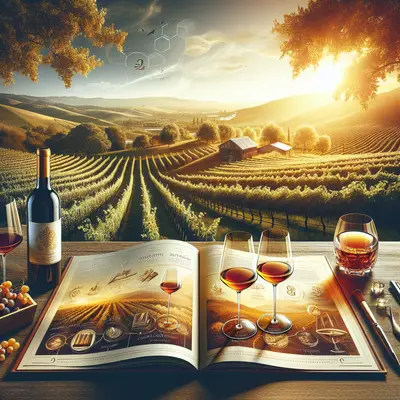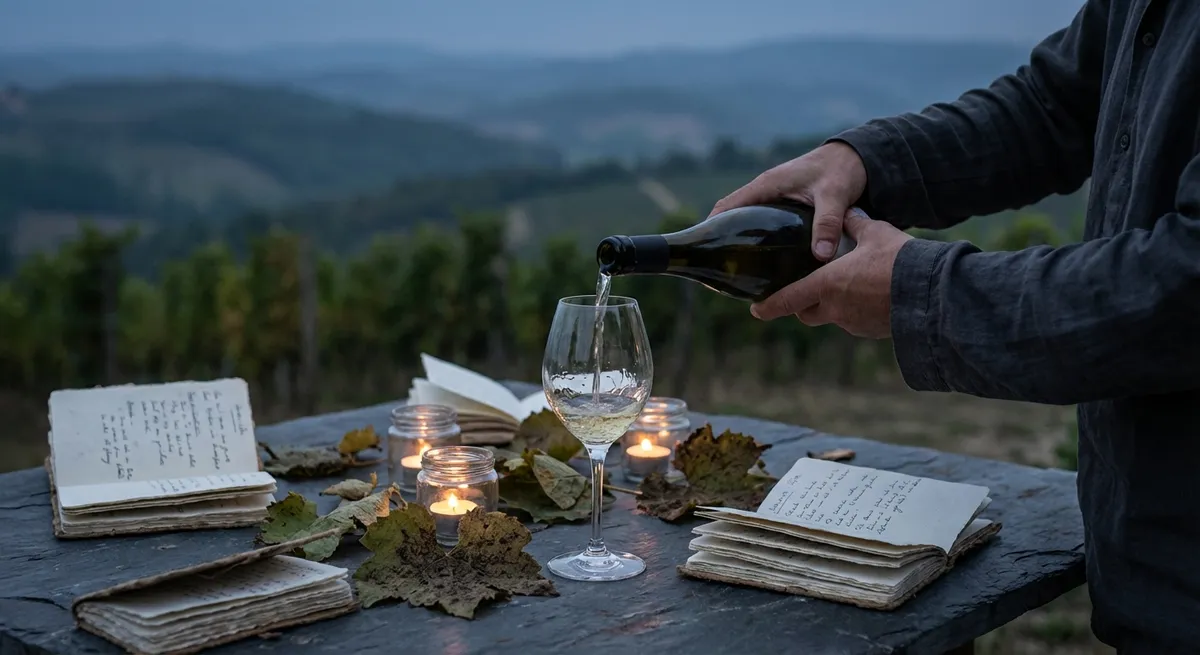
The most compelling premium wineries no longer announce themselves with fanfare. They reveal themselves slowly—through the feel of a hand-polished glass stem, the hush of a barrel hall at dusk, the texture of linen on a tasting table, the way a winemaker pauses before answering a question. For travelers who seek more than a checklist of “top estates,” there is a new horizon in wine tourism: one defined by nuance, intention, and an almost architectural care for experience. This is not about excess, but about precision—where every detail is calibrated to deepen your relationship with a place, a vintage, and your own palate.
Below are five exclusive insights into how today’s most refined wineries are quietly redefining luxury. They are not obvious, they are not loud—and that is exactly the point.
1. The Shift from Spectacle to Presence
At the highest tier, wineries are moving away from spectacle—towering cellars, grand façades, ostentatious fountains—and toward an ethos of cultivated presence. The measure of luxury has become less about “how much” and more about “how precisely.”
Instead of a crowded bar, you may find yourself seated at a discreetly set table with only a few glasses and a carafe of water, invited to take your time. Staff will not rush through a script; they will read your tempo, adjusting the depth of technical detail to your interest. This shift mirrors a broader cultural move toward experiential luxury: the rarest commodity is no longer a scarce bottle, but a fully attentive hour.
Premium wineries that embrace this philosophy are meticulous about pacing. They design tasting sequences that open gently, often with a wine that is texturally inviting rather than flamboyantly aromatic, so that your palate can arrive before your mind starts evaluating. Silence is treated as an asset, not an awkward gap. As a guest, the most telling sign that you are in truly elevated hands is not how much you are poured, but how effortlessly time seems to expand around you.
2. Architecture That Frames, Rather Than Dominates, the Vineyard
At many high-end estates, architecture has evolved from being the centerpiece to becoming a frame. The building is no longer the protagonist; the vineyard is. The most sophisticated wineries are commissioning architects and designers to create spaces that disappear into the landscape, guiding your eyes outward, not inward.
You may notice low rooflines and glass panels that pull the vines into the room; terraces aligned with the path of the sun so that late-afternoon tastings unfold in naturally golden light; tasting rooms whose color palettes are drawn directly from the surrounding soil and foliage. Materials are chosen not for theatrical impact, but for continuity—locally quarried stone that mirrors the bedrock beneath the vines, wood tones that echo the barrels in the cellar.
A subtle hallmark of this approach is the choreography of thresholds: the transition from outdoor to indoor is softened by intermediate spaces—loggias, courtyards, shaded walkways—where you can recalibrate your senses between vineyard and glass. This quiet architectural sequencing affects how you experience the wines; you are constantly reminded that what is in your glass is not isolated from, but in dialogue with, the landscape outside.
3. Beyond “Terroir”: The Rise of Textural Storytelling
Discerning wine travelers are familiar with the language of terroir—soil, climate, exposure. But at the most refined wineries, a new narrative layer has begun to emerge: an emphasis on texture as the primary way to understand a wine’s identity. Rather than leading with flavor descriptors, some of the most insightful hosts now begin by inviting you to assess how a wine moves.
Is it vertical or horizontal across the palate? Does it feel like silk, porcelain, chalk, or satin? Does it narrow or widen as you hold it in your mouth? These questions might at first feel unusual, but they open a richer conversation about vineyard sites, farming choices, and élevage than a list of fruit notes ever could.
You may notice that glasses are selected not merely by varietal, but by the desired tactile focus: a bowl that emphasizes mid-palate weight for one wine, another that lengthens the finish for a more linear style. In some cellars, the same wine is poured into two different glass shapes, not as a party trick, but as a way of training your awareness. The goal is not to impress you with how much the host knows, but to refine how much you can feel.
For enthusiasts, this is an especially rewarding shift. Once you start thinking about wine through texture, your preferences become more precise and less trend-driven. You begin to seek wines that feel a certain way, regardless of grape or region—and premium wineries that understand this will speak to you in a language that feels both deeply technical and subtly intimate.
4. Invisible Craft: When Service Becomes an Art Form
In the upper tier of wine hospitality, service is no longer simply “good” or “bad”; it becomes an invisible art. The most sophisticated wineries train their teams not only in wine knowledge but in timing, micro-gestures, and the psychology of comfort. Their goal is to create an experience that feels natural, inevitable—as though everything unfolded on its own.
Notice how your arrival is handled. Is someone waiting just inside the door, not outside with a clipboard? Is your name remembered casually, without overemphasis? At this level, hosts are adept at anticipating needs you have not yet expressed: a discreetly placed spittoon before you ask, a subtle offer of a smaller pour when you hesitate, a quiet suggestion to revisit an earlier wine at the end.
Temperature and lighting are also wielded as service tools. Wines are served just slightly cooler than you might expect, allowing them to unfurl in the glass rather than peak the moment they are poured. Lights may dim almost imperceptibly as the tasting progresses, encouraging focus and conversation.
Crucially, the most elevated service never confuses familiarity with intimacy. You may feel welcomed, but never crowded; informed, but never lectured. This calibrated restraint is a defining marker of premium wineries that understand that genuine hospitality is measured not by how much attention they demand, but by how profoundly at ease you feel.
5. The New Collectability: Stories You Cannot Ship Home
In an era when nearly any bottle can be delivered to your doorstep, the rarest currency in wine has become the experience that cannot be packaged or replicated. Premium wineries are increasingly curating moments—rather than just wines—that you carry with you long after the last drop has been poured.
You might find a single barrel tasting offered only during a brief window each year, when the wine is at a particular stage of its evolution. Or a quiet corner of the property accessible only by appointment, where a library vintage is served alongside a simple, precisely chosen pairing that existed only for that day’s weather and that hour’s light. Some estates invite guests to taste the same cuvée across several years, in the very parcel of vines from which it was harvested, turning a vertical tasting into a conversation across time.
These experiences are rarely advertised loudly. They are revealed gradually, often in response to your curiosity. Ask thoughtful questions, show genuine interest in the craft, and you may find doors opening—literally and figuratively—that are invisible to the casual visitor.
What distinguishes these moments from mere exclusivity is their sincerity. They are not engineered as social media backdrops, but as expressions of the estate’s deepest identity. Photographs may capture the setting; only memory can hold the way the air felt, or the hush that fell as a particularly meaningful bottle was opened. And that, for the true enthusiast, is the ultimate form of collectability.
Conclusion
The world of premium wineries is becoming more subtle, more interior, and, paradoxically, more generous. As the most refined estates move away from spectacle and toward presence, they invite guests into a quieter, more attentive way of experiencing wine—one in which architecture frames the vineyard, texture tells the story, service disappears into grace, and the most treasured mementos are not bottles, but moments.
For the traveler who values depth over display, this is an extraordinary time to explore. The true markers of luxury are no longer in the obvious places; they live in the spaces between gestures, in the care taken with light and time and silence. Seek out those wineries that speak in this quieter language, and you will discover that the most memorable wines are not only tasted—they are lived.
Sources
- Wine Institute – California Wine Country Tourism Overview – Context on wine tourism trends and the evolving visitor experience
- Decanter – The Future of Fine Wine: Changing Definitions of Luxury – Insight into how the concept of luxury in wine is shifting toward experience and nuance
- Harvard Business Review – The Case for Experiential Luxury – Broader analysis of experiential and sustainable luxury, relevant to high-end winery practices
- Architecture Digest – Winery Architecture That Redefines the Vineyard Experience – Examples of design-forward wineries where architecture frames the landscape
- UC Davis Department of Viticulture and Enology – Educational resource on wine science, texture, and sensory evaluation techniques
Key Takeaway
The most important thing to remember from this article is that this information can change how you think about Premium Wineries.