There is a moment on every remarkable wine journey when the world seems to narrow to a single glass, a single hillside, a single conversation at a cellar table. That moment is never accidental. It is the result of intention—of where you choose to go, when you arrive, and how you engage. For travelers who seek more than a procession of tasting rooms, a wine tour can become a curated sequence of quiet revelations, each visit tuned to nuance, detail, and a sense of place that lingers long after the suitcase is unpacked.
Designing a Journey Around Vineyards, Not Just Wineries
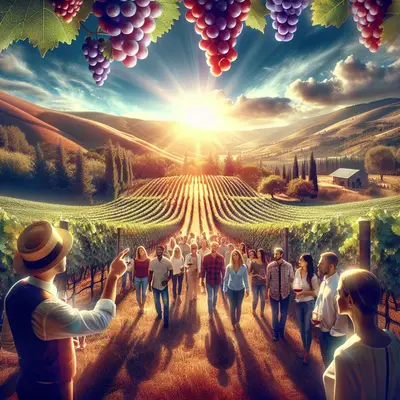
The most memorable wine tours rarely begin with a list of cellars to visit. Instead, they start with landscapes: volcanic slopes, maritime valleys, high-elevation terraces where temperature, light, and wind dictate the style of every bottle that follows. For the thoughtful traveler, anchoring an itinerary in specific terroirs transforms a region from a checklist into a narrative.
Selecting appellations based on soil types, exposures, and microclimates reveals why a coastal Chardonnay hums with salt-edged tension while an inland counterpart unfurls with orchard opulence. A drive through Burgundy’s Côte d’Or, for instance, becomes an education in subtlety as the road slips from one climat to the next; a day in Sonoma can trace the gradient from fog-kissed Carneros to the sunlit heights of Moon Mountain. By asking producers where their most distinctive parcels lie—and arranging visits that include vineyard walks rather than just cellar tastings—you experience wine not as an object, but as a translation of place.
Thoughtful scheduling also matters. A mid-morning vineyard visit, before the sun is high and the crowds arrive, sharpens the senses and leaves room for a slower progression of tastings. Late afternoons are best reserved for panoramic properties where fading light and a final glass stitch the day into memory. In this way, the journey gains structure and rhythm, and each bottle poured feels like a considered chapter, not a random encounter.
The Art of the Appointment-Only Visit
There is a quiet luxury in arriving at a winery to find the gate opening just for you. Appointment-only visits, when chosen with care, offer a level of intimacy that reshapes the experience from passive tasting to genuine exchange. Instead of standing at a bar, you might find yourself seated at a farmhouse table, walking through the barrel hall with the winemaker, or tasting single-vineyard bottlings rarely poured for the general public.
These visits often reveal the philosophical backbone of a producer. In conversation, questions about canopy management, picking decisions, or the cellar’s approach to oak become windows into how style is deliberately crafted rather than left to trend or chance. Appointment-only estates also tend to pour deeper within their range, moving beyond flagship wines to experimental bottlings, library vintages, or micro-cuvées that seldom reach wider markets.
Securing such visits demands foresight and a touch of decorum. Reach out directly to the estate with a clear note: dates, group size, level of knowledge, and specific interests—perhaps older vintages, organic viticulture, or comparison tastings. Punctuality is non-negotiable; these producers often operate with small teams, and each appointment is a carefully allocated slice of the day. Expressing genuine curiosity—and a willingness to listen—often unlocks the most memorable stories, and occasionally, a bottle from “under the table” that was never on the official list.
Inside the Cellar: Reading a Winery’s Unspoken Language
Cellars have their own lexicon, written in concrete, oak, steel, and glass. For the attentive traveler, even a brief tour can reveal a producer’s values long before the first sip. Rows of small, new oak barrels hint at a desire for textural richness and aromatic polish; towering neutral foudres suggest an emphasis on purity, freshness, and structure. Shiny, temperature-controlled steel tanks signal precision and a preference for preserving primary fruit, while concrete eggs or amphorae speak of texture, energy, and a gentle, oxygen-rich upbringing.
Pay attention to the ambient atmosphere: Is the cellar naturally cool and humid, carved into rock, or climate-controlled with modern insulation and systems? Does the space feel clinical, artisanal, or almost monastic? These details often parallel the wines themselves, whether driven by scientific rigor, minimalist intervention, or a blend of both.
The questions you pose can elevate the experience from a tour to a masterclass. Ask how they manage fermentations—spontaneous or inoculated? How they decide when to rack, when to bottle, and how long wines rest before release? In regions such as Champagne, Rioja, or Barolo, aging regimes and blending decisions define house style; understanding them brings coherence to the tasting line-up. Over time, you will develop an instinctive ability to “read” a cellar and anticipate what will be in the glass, turning each visit into a form of quiet, informed discovery.
Five Exclusive Insights for the Attentive Wine Traveler
For enthusiasts seeking layers of experience beyond the obvious, a handful of refined strategies can transform a well-planned tour into something truly rarefied.
Library Vintages: Ask for the Past, Not Just the Present
Many serious estates hold back older bottles for private clients, research, or special occasions. Politely inquiring whether a library vintage is available—especially at family-owned or historic properties—can yield a tasting that spans a decade or more. Comparing a mature wine to its current release reveals how the house style ages, how vintages differ, and whether a producer truly builds for longevity.
Barrel Samples and Component Tastings
At cellars with a strong culture of hospitality, it is sometimes possible to taste individual components before they are blended: separate parcels, varied barrel types, or different clones of the same grape. This window into a wine’s adolescence is invaluable. You will see how structure, fruit, and aromatic complexity are assembled, and gain an understanding of why a final blend tastes the way it does, rather than treating it as a finished mystery.
Harvest-Season Immersion—But with Precision
Visiting during harvest offers an extraordinary intensity: the scent of fermenting must, the buzz of sorting tables, the urgency of picking decisions. However, it can also strain hospitality resources. To experience the best of this season, arrange visits to small, quality-driven estates where hosting guests is integrated into their rhythm rather than an afterthought. A short walk through actively picked rows, or ten minutes at the sorting line, becomes an unforgettable insight into the most decisive days of the year.
Exploring Alternate Expressions of a Region’s Signature Grape
Every major wine region has its calling-card variety—but the rarest experiences often lie in how that grape breaks character. Seek out producers crafting atypical expressions: still Pinot in Champagne’s heartland, skin-contact whites in classical regions, or restrained, lower-alcohol interpretations in areas better known for power. These wines reveal the elasticity of regional identity and challenge assumptions shaped by mainstream exports.
Private Comparative Tastings Across Producers
While most visits focus on a single estate, consider arranging one carefully curated session—either with a sommelier or at a high-level wine bar—featuring a focused comparison: several producers from a single cru, multiple vintages of a single vineyard, or parallel expressions across different slopes. This concentrated format sharpens perception, allowing you to perceive the subtleties of terroir and craftsmanship with far greater clarity than scattered tastings over several days.
Elevating the Experience: Service, Timing, and Table Culture
Even the most remarkable wines can fade in memory if everything around them is careless. A premium wine tour is as much about context as it is about what’s in the glass. Consider the choreography of your tastings: begin the day with whites or sparkling wines in cooler cellars, reserving structured reds for later when the palate is fully awake. Hydration and small bites between visits keep sensory acuity high; an unrushed lunch with local specialties can clarify how wines perform at the table rather than in isolation.
Pay attention to glassware and serving temperatures. When possible, accept the estate’s hospitality—but do not hesitate to mention if a wine seems overly chilled or slightly warm, provided it’s done with tact. The best hosts welcome this level of engagement; it signals that you are there not merely to consume, but to understand.
Finally, consider balancing marquee names with lesser-known estates chosen on the recommendation of local sommeliers, importers, or winemakers you meet along the way. These quieter addresses often become the emotional anchors of the journey—the places where conversations stretch, unexpected bottles appear, and an invitation to return feels personal, not perfunctory. Over time, these relationships form a personal map of the world’s wine regions, mapped not only by geography, but by shared experiences.
Conclusion
A wine tour of genuine distinction is not assembled from star ratings and glossy brochures. It is composed from questions, timing, and an insistence on depth over volume. When you choose to walk vineyards before stepping into cellars, to seek appointments rather than queues, to listen as much as you taste, the journey acquires a certain quiet gravitas. Each bottle becomes less a product and more a story told in stages—soil, season, human judgment, and time.
For the devoted traveler, these choices turn a handful of days into something far more enduring: a personal archive of places, people, and wines that can be revisited every time a cork is pulled. The true luxury is not excess, but precision—of where you go, whom you meet, and how attentively you taste.
Sources
- [Wine Institute – Discover California Wine: Planning Your Visit](https://discovercaliforniawines.com/visit/planning-your-trip/) - Practical guidance on structuring winery visits and understanding regional diversity in California.
- [Burgundy Wines (BIVB) – Terroir & Climats](https://www.bourgogne-wines.com/our-terroir/terroir-and-climats,2314,9353.html) - In-depth explanation of Burgundy’s climats and how micro-terroirs shape wine style.
- [Napa Valley Vintners – Winery Visit Tips](https://napavalley.wine/plan/winery-visit-tips/) - Insider recommendations on appointments, tasting etiquette, and making the most of winery experiences.
- [GuildSomm – Cellar Techniques and Aging](https://www.guildsomm.com/public_content/features/articles/b/kelli_white/posts/cellar-aging) - Professional-level insight into cellar decisions, aging regimes, and their impact on wine character.
- [Wine & Spirit Education Trust (WSET) – Understanding Terroir](https://www.wsetglobal.com/knowledge-centre/wine/understanding-terroir/) - Educational overview of terroir, vineyard factors, and how they influence wine, ideal for deepening technical understanding.
Key Takeaway
The most important thing to remember from this article is that this information can change how you think about Wine Tours.