There is an art to visiting vineyards that goes far beyond simply showing up for a tasting. The most memorable wine journeys are composed like a sonata—each movement deliberate, each pause intentional, each detail quietly orchestrated. For the traveler who values nuance over noise, vineyard visits can become an elegant ritual: a way of engaging with landscape, craftsmanship, and time itself.
This guide explores how to shape vineyard days that feel intimate rather than touristic, with five exclusive insights that discerning wine enthusiasts will recognize, and appreciate, immediately.
Designing the Day Around Light, Not the Clock
Most visitors plan their winery stops by the hour; seasoned travelers plan them by the quality of light.
Early morning and late afternoon sit at the sweet spot of vineyard life. In the cool hours after sunrise, the vineyards reveal structure and detail: the geometry of trellising, the subtle changes in soil color, the way fog recedes down a slope. This is when vineyard walks feel most contemplative and when winemakers, if present, are often still in a technical mindset—focused, precise, and generous with deeper explanations.
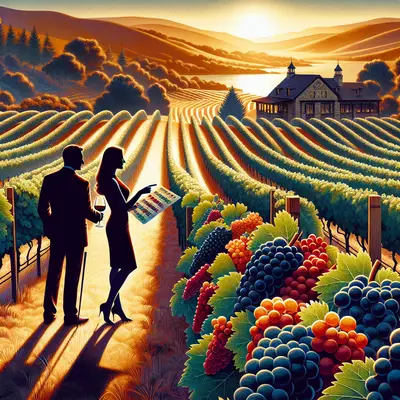
Late afternoon, by contrast, is made for texture and mood. The sun drops, shadows lengthen, and the landscape acquires a softness that flat midday light can never deliver. Tasting outdoors at this time does more than provide a pretty backdrop; it changes perception. White wines feel more tensile against the cooling air; reds gain a different dimension as the day’s residual warmth lingers.
A refined vineyard itinerary, therefore, is built around two primary visits—one in the morning, one in the late afternoon—leaving the middle of the day for a long lunch, a quiet drive through the vines, or a visit to a small producer whose wines you already know and wish to understand more deeply. The goal is not to see everything; it is to see a few things under the most flattering conditions.
Moving from Tasting Flights to Comparative Narratives
Enthusiasts quickly realize that a standard tasting flight rarely tells the full story of a place. The real luxury is not in the number of wines poured, but in how those wines speak to each other.
When arranging a visit, ask—politely and in advance—if the winery can structure your tasting around a specific comparative theme. For example:
- Same grape, two soil types (limestone vs. clay)
- Same vineyard, different vintages
- Same vintage, different picking dates or parcels
- Estate wines versus grower fruit from neighboring sites
This shift transforms the tasting from a sequence into a narrative. You begin to taste decisions—about harvest timing, vineyard management, barrel program—rather than just flavors. It becomes possible to perceive the winemaker’s “handwriting,” the subtle continuity that runs through their work regardless of grape or vintage.
For the winery, this is also a different kind of conversation. Winemakers often light up when they can illustrate their choices through side-by-side wines, rather than reciting tasting notes. The exchange becomes more collegial and technical, less transactional. The experience, as a result, feels far more exclusive, even if the wines themselves are widely available.
Reading the Vineyard: How Enthusiasts Quietly Assess a Site
The most devoted wine travelers do something that casual visitors rarely attempt: they read a vineyard before they taste a single wine.
A few discreet observations speak volumes:
- Spacing and trellising: Wider spacing and older vines can suggest historic plantings; precise, denser rows may indicate a more recent, quality-focused replanting. The training system (Guyot, cordon, bush vines) reveals choices about yield, vigor, and sun exposure.
- Canopy management: The balance of leaves to clusters hints at how the estate negotiates ripeness and freshness. Heavy shading and tangled shoots may suggest less rigorous work; a well-ordered canopy indicates intention and investment.
- Soil visibility: Where erosion control is thoughtfully handled and the soil appears worked but not over-disturbed, there is usually a corresponding attention in the cellar. Exposed stones, visible strata, or changes in color across a slope can explain surprising differences in neighboring wines.
- Vineyard floor: Cover crops, wildflowers, and biodiversity are not simply aesthetic; they point to how the estate views sustainability and soil health, with real implications for flavor complexity and resilience in challenging vintages.
With practice, you begin to predict the wines before you taste them: which parcels will yield tension, which will bring generosity, which blocks will likely become single-vineyard bottlings in standout years. This quiet, visual prelude adds a layer of sophistication to your visit and turns a simple walk into an act of interpretation.
Seeking the Hidden Moments Between Official Experiences
What distinguishes a truly premium vineyard visit is often found in the spaces between the “official” activities.
Enthusiasts learn to leave deliberate room for unhurried moments: standing alone between two rows, watching the wind move through the leaves; lingering an extra minute in the barrel hall after the formal explanation has ended; taking the last sip of a wine slowly, while silently revisiting the story you’ve just heard.
It is often in these pauses that rare opportunities emerge. A winemaker might bring out a quietly experimental bottling “not yet on the list.” A cellar hand may share a candid remark about a difficult vintage that sharpens your sense of what’s in the glass. A proprietor, noticing your questions are more about vineyard exposition than alcohol percentage, may decide to talk you through a map of their parcels in detail typically reserved for colleagues.
Build this elasticity into your day. Limit the number of scheduled appointments. Resist the temptation to cram in one more estate. The most refined itineraries privilege depth over breadth and allow for serendipity to feel curated—even when it isn’t.
Curating Memory: How Enthusiasts Record, Revisit, and Refine
For many travelers, the visit ends when they leave the estate. For enthusiasts, it continues quietly for weeks, sometimes years.
Five refined practices elevate vineyard memories from pleasant recollections to a personal archive of understanding:
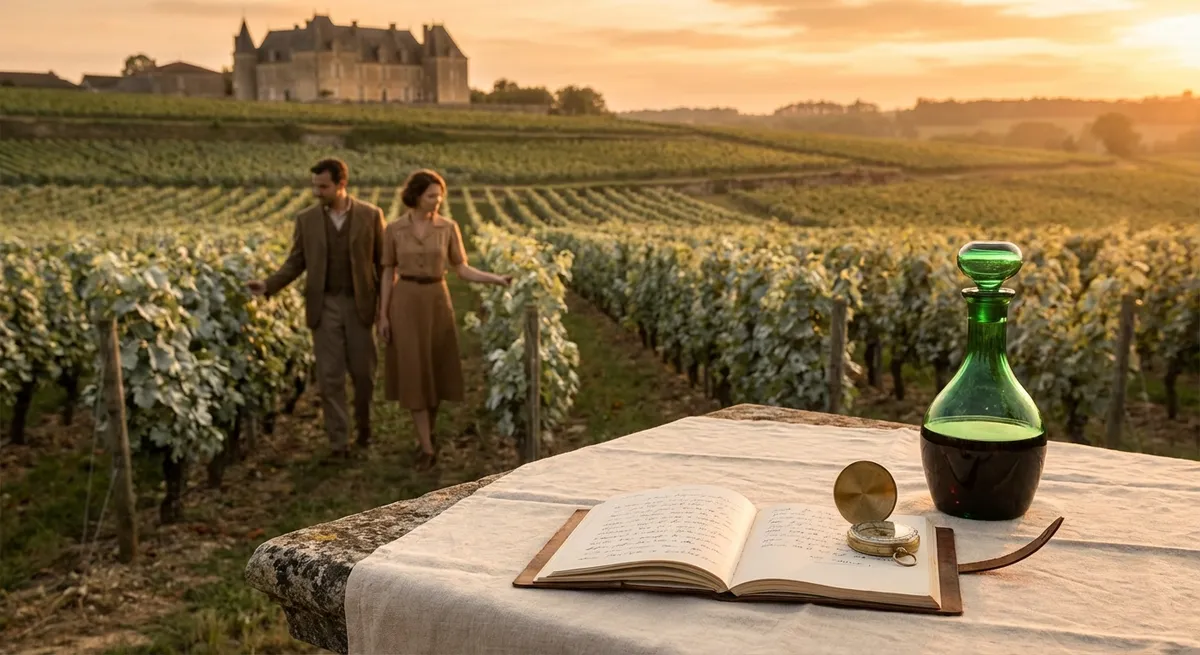
- Two-tier note-taking: During the visit, jot only essential impressions—structure, key aromas, vineyard or parcel names, any standout comments from the host. Later that day, in a more reflective setting, expand these into more nuanced notes that capture context: weather, mood, light, and pairings.
- Mapping experiences: Keep a simple digital map where you tag each vineyard visited, adding short annotations: soil type, elevation, key grape varieties, and one sentence that captures the place’s character. Over time, patterns between sites and styles emerge with startling clarity.
- Re-tasting with intention: When you bring bottles home, open them with the vineyard in mind, not just the occasion. Compare your on-site impressions with how the wine behaves in a different setting, with different glassware or food. Note what remains constant, and what feels transformed by distance and time.
- Photographing with purpose: Instead of cataloguing endless glasses and labels, focus on images that explain the wine: vine rows, texture of the soil, aspect of the slope, the color of the light at the time you tasted. Visual memory often stores terroir more effectively than adjectives.
- Refining your preferences: After several trips, revisit your notes and identify not just which wines you liked, but which conditions inspired you: certain elevations, certain expositions, particular viticultural philosophies. Use this to shape your next itinerary with increasing precision.
In doing so, each vineyard visit becomes part of a larger, evolving conversation with wine. The true luxury is not just access to remarkable bottles, but an increasingly intimate relationship with the places that created them.
Conclusion
A vineyard visit, when thoughtfully composed, is less a tour and more a dialogue—with land, with craft, with time. By privileging light over schedule, narrative over quantity, observation over spectacle, and reflection over accumulation, wine travelers can cultivate experiences that feel both profoundly personal and quietly elevated.
For those who travel to taste, rather than taste while traveling, the vineyard is not a backdrop; it is the main character. Treat it as such, and even a single day among the vines can resonate with the kind of depth usually reserved for a cherished cellar.
Sources
- Cornell University – Terroir and the Importance of Site – Explores how soil, climate, and landscape shape wine character
- UC Davis Viticulture and Enology – Technical background on vineyard design, canopy management, and site decisions
- Wine Institute – Sustainable Winegrowing Practices – Overview of vineyard floor management, biodiversity, and sustainability in vineyards
- Decanter – Understanding Vertical and Horizontal Tastings – Explains comparative tasting formats that deepen appreciation of style and vintage
- Napa Valley Vintners – Planning a Winery Visit – Practical perspective on structuring visits, appointments, and expectations
Key Takeaway
The most important thing to remember from this article is that this information can change how you think about Vineyard Visits.