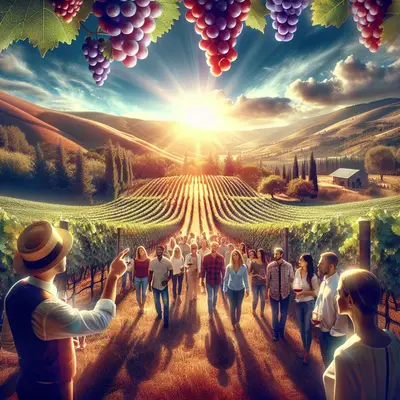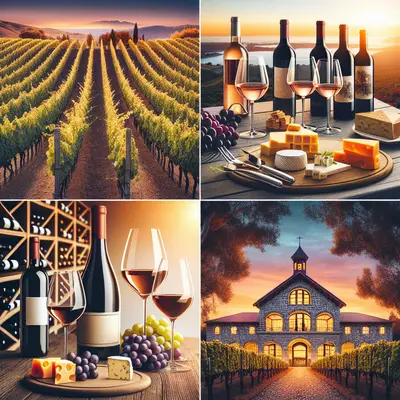
Travelers who collect vintages rather than souvenirs seek more than a scenic drive between vineyards. They look for tours that feel composed rather than scheduled, where each glass is framed by context, place, and time. At Wine Tour Adventures, we think of a wine tour as a moving salon: conversation, terroir, culture, and craftsmanship intertwined. Below, you’ll find a refined approach to wine touring, anchored by five exclusive insights that seasoned wine enthusiasts quietly prize—but rarely discuss aloud.
From Tourist Route to Private Circuit
The difference between a standard winery circuit and a truly elevated itinerary is not the price tag; it is curation. A sophisticated wine tour is less about volume—how many wineries you can visit in a day—and more about narrative: how each stop deepens your understanding of a region’s character.
Begin by defining the story you wish your tour to tell. Is it the evolution of a single grape across altitudes and soils, the contrast between traditionalists and avant‑garde winemakers, or an exploration of old vines vs. youthful plantings? Once your central theme is clear, each winery visit becomes a chapter instead of a random tasting room.
Scheduling fewer, longer appointments—often two, at most three in a day—allows for unhurried cellar tours, vineyard walks, and meaningful time with the people shaping the wines. Ask specifically for “technical tastings” or “estate deep dives”; many top estates reserve these for guests who demonstrate genuine interest. Combine flagship producers with a lesser‑known, family‑run estate to experience both polish and intimacy in the same day.
The Fifth Sense: Designing the Atmosphere Around the Glass
Refined wine travelers understand that the environment is not mere backdrop; it is part of the flavor architecture. Light, sound, and even the texture of the table under your wrist influence how you perceive a wine. Thoughtful tours are designed so that setting and glass speak the same language.
Aim for tastings where natural light is present but not glaring; harsh overhead lighting can flatten color and visual nuance in the glass. Soft acoustics, limited background music, and small groups help you discern subtle aromatic shifts as the wine opens. Temperature control in the tasting room is equally crucial—too warm and both red and white wines can feel heavy and indistinct; too cold and nuance is muted.
The most elevated experiences often involve moving through multiple spaces: first, a vineyard block to understand exposure and soil; next, a barrel hall to grasp élevage and aging philosophy; finally, a calm, seated tasting designed for contemplation rather than traffic. This progression quietly trains your senses, adding a tactile memory of place to each pour.
Exclusive Insight #1: Reading a Vineyard Block Like a Library Shelf
Experienced enthusiasts know that visiting “a winery” is not enough; the real revelation lies in understanding individual blocks of vines as if they were volumes in a private library. Each parcel—defined by slope, soil composition, row orientation, and vine age—contains a distinct chapter of flavor.
When booking a visit, ask whether the estate offers comparative tastings from different parcels, single‑vineyard bottlings, or micro‑cuvées. In regions like Burgundy, Barolo, the Mosel, or Napa’s hillside AVAs, these differences can be dramatic. Walk the plots if possible and notice details: Are the rows terraced or straight? Does the soil show stones, clay, or sand on the surface? How tightly are the vines pruned?
Request to taste wines aligned with what you saw in the vineyard: “Could we sample a parcel that reflects this slope and soil?” You begin to connect the physical reality underfoot with the structure and texture in your glass: chalk driving tension, clay shaping depth, gravel lending a cool, linear edge. This moves your tour from sightseeing to serious study—without sacrificing pleasure.
Exclusive Insight #2: The Quiet Power of Off‑Hours Tastings
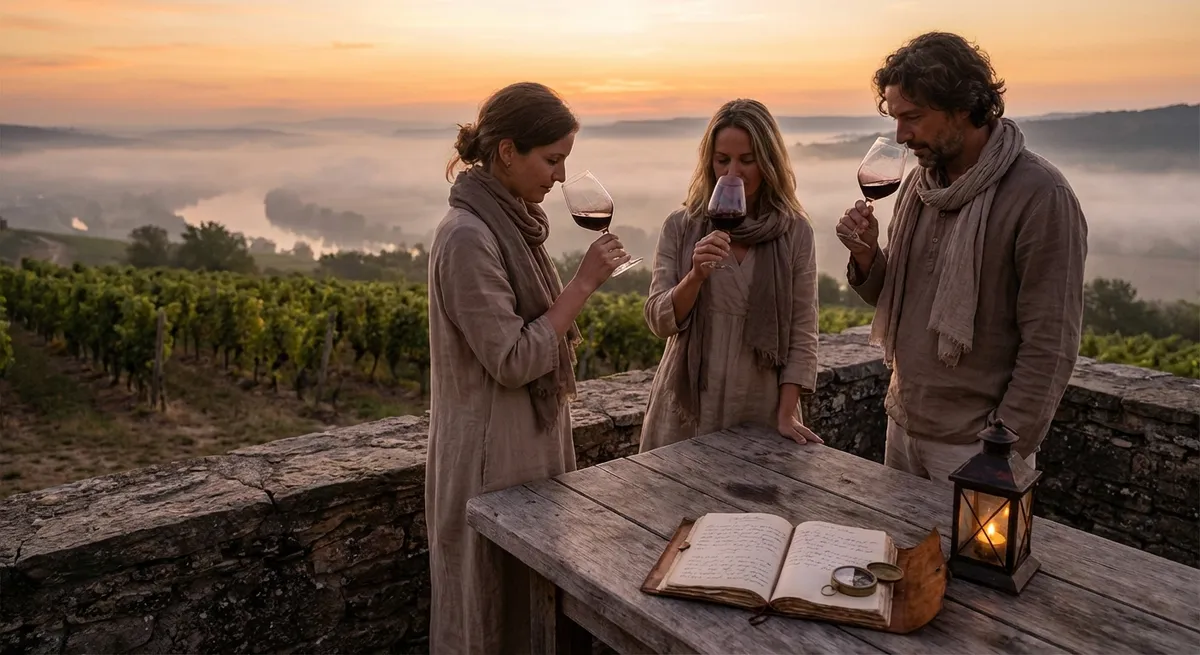
One of the most effective ways to transform a pleasant visit into a memorable one is to secure off‑hours appointments. Early‑morning or late‑afternoon tastings, scheduled before or after public opening times, radically change the atmosphere and the quality of interaction with the estate.
Morning tastings often deliver the most precise impressions; your palate is fresh, the winery is calm, and the team has time for nuance. Whites and sparkling wines, in particular, show beautifully in the cooler hours, their acidity and aromatics finely etched. Late‑afternoon sessions, by contrast, bring warmth and a sense of closure to the day; structured reds feel more expressive, and the conversation often unfolds at a slower, more reflective pace.
When corresponding with wineries, indicate flexibility: “We are most interested in a quiet, technically focused visit—happy to come before or after regular hours if convenient for the estate.” Many premium producers respond positively to such requests, recognizing that this is the language of someone seeking depth rather than spectacle.
Exclusive Insight #3: Following the Winemaker’s Calendar, Not the Tourist Season
Wine regions have their own internal rhythm, governed by the vineyard and cellar calendar rather than holiday schedules. Enthusiasts who align their travel with these phases gain an almost backstage access to the life of a wine.
In late winter and early spring, cellars are often tranquil but intellectually fascinating. This is the time for barrel tastings of the previous vintage and side‑by‑side comparisons of blends in progress—ideal for those intrigued by structure and aging potential. Late summer and early autumn can be exhilarating, with harvest in full swing, sorting tables active, and tanks fermenting; the sensory experience is unmatched, though visits require more flexibility, as producers are working at full capacity.
Post‑harvest, during late autumn, is a golden moment: the vineyards are beautiful, the pace has eased, and winemakers often have time to host more in‑depth discussions. Align your itinerary with what you hope to learn: blending and élevage in winter and spring, viticulture decisions in late spring and summer, harvest logistics and fermentations in early autumn. In your correspondence, mention your interest in “seeing the estate in its natural rhythm” to signal that you value authenticity over polished staging.
Exclusive Insight #4: The Art of the Comparative Glass
Discerning travelers rarely taste wines in isolation. Instead, they seek comparative frameworks that transform each glass into a reference point. The most memorable tastings are structured to show thoughtful contrasts: vintage against vintage, tank sample against finished wine, neutral oak versus new barrel, or different aging vessels for the same cuvée.
When arranging a visit, ask whether the estate offers vertical tastings (multiple vintages of the same wine) or side‑by‑side comparisons that reveal specific decisions in the cellar. Even tasting the same wine from bottle and from magnum, or from different closures, can be illuminating. These structured flights give you a richer vocabulary of texture, evolution, and balance.
Take concise notes, but focus primarily on sensory memory: how the wine unfolds from first impression to finish, which vintage seems more tightly composed, which feels more generous. Over time, such tastings refine your ability to anticipate aging paths and to buy accordingly, allowing your cellar to become an extension of what you’ve learned on the road.
Exclusive Insight #5: Pairing Place with Plate in Subtle, Intentional Ways
Food and wine pairings on tours can sometimes feel theatrical: elaborate tasting menus, ornate plating, and a parade of glasses. Sophisticated travelers often prefer the opposite—pairings that highlight the essence of a region’s cuisine with minimal distraction, allowing both wine and ingredient to speak clearly.
Seek experiences where the estate or a local chef collaborates on restrained, seasonal pairings: a single, impeccably sourced cheese with a cool‑climate Chardonnay; a simple grilled fish with a saline, coastal white; or slow‑braised local meat alongside an age‑worthy red. The goal is not opulence, but resonance between place, ingredient, and glass.
Ask specifically for “regional specialty pairings” rather than elaborate tasting menus. Producers deeply rooted in their territory often prize these combinations and can explain not only why they work sensorially—acidity, tannin, texture—but also their cultural significance. These meals become anchors in your memory: the moment when a wine stopped being theoretical and became something inseparable from the landscape and traditions around it.
Weaving Your Own Signature Circuit
The most rewarding wine tours leave you with more than favorite bottles; they leave you with a framework for understanding future wines. When you shift from rushing between tasting rooms to curating a quiet, thoughtful circuit, every glass serves a purpose: it teaches you something about soil, climate, craftsmanship, or time.
By reading vineyard blocks like a library, seeking off‑hours calm, traveling on the winemaker’s calendar, insisting on comparative tastings, and embracing understated regional pairings, you transform your travels into a private education in terroir. The result is not only a deeper cellar, but a richer internal archive of places, people, and textures—one that will subtly inform every bottle you open long after the journey has ended.
Sources
- [Wine Institute – Wine Country Travel Tips](https://wineinstitute.org/our-impact/wine-country-travel) – Guidance on visiting wine regions and understanding winery hospitality practices.
- [Napa Valley Vintners – Planning a Visit](https://napavintners.com/visit/planning_a_visit.asp) – Detailed advice on appointments, seasons, and tasting formats in a premier wine region.
- [GuildSomm – Terroir and Vineyard Factors](https://www.guildsomm.com/public_content/features/articles/b/guildsomm/posts/terroir) – In‑depth exploration of how site, soil, and climate shape wine character.
- [Harvard T.H. Chan School of Public Health – Alcohol: Balancing Risks and Benefits](https://www.hsph.harvard.edu/nutritionsource/alcohol-full-story/) – Evidence‑based overview of wine and alcohol consumption for responsible enjoyment.
- [Decanter – How to Prepare for a Wine Tasting Trip](https://www.decanter.com/wine-travel/how-to-prepare-for-a-wine-tasting-trip-295835/) – Practical, expert tips on elevating wine travel experiences.
Key Takeaway
The most important thing to remember from this article is that this information can change how you think about Wine Tours.