Wine country has a way of slowing the clock—of turning a single afternoon into a sequence of precise, lingering moments. Yet truly memorable vineyard visits are rarely accidental. They are curated: a careful interplay of timing, terroir, hospitality, and detail. For the traveler who seeks more than a tasting-room checklist, the vineyard itself becomes the destination, and every decision shapes the character of the experience.
This guide explores how to approach vineyard visits with intention, and offers five exclusive, insider-level insights that seasoned wine enthusiasts quietly rely on—but rarely spell out.
The Architecture of a Meaningful Vineyard Day
A refined vineyard visit begins long before you step between the rows of vines. It starts with a sense of narrative: where you are in the landscape, why you’re visiting now, and what you hope to understand.
Consider the region as a library and each estate as a different author. Visiting three wineries that share a grape variety but differ in altitude, soil, and winemaking approach allows you to experience variations on a theme—rather than a random medley of styles. Thoughtful sequencing matters: begin with more delicate wines and sites, then progress to structured, age-worthy bottlings. If possible, anchor your day around one estate that offers a deeper technical experience—such as a vineyard walk or barrel tasting—to provide context for the more casual visits.
Reserve fewer stops than you think you can manage. Two carefully chosen estates and a long, considered lunch in between will ultimately reveal far more about a region than six hurried tastings. Slowing the pace preserves your palate and your attention—essential tools for any serious enthusiast.
Reading the Vineyard: Beyond the Tasting Room
The most illuminating moments often happen outside, with soil underfoot and wind in the canopy. A vineyard is a living document; learning to read it transforms every glass you raise thereafter.
Observe slope and exposure first. South- or east-facing parcels in the northern hemisphere tend to ripen earlier, yielding fuller, often more opulent wines; cooler, shadier plots may produce higher acidity and more restrained aromatics. Note the spacing of vines and the canopy management: tight planting densities and carefully controlled foliage typically signal an emphasis on concentration and precision.
Pay attention to the ground. Are there visible stones or gravel, or is the soil fine and loamy? Stony, well-drained sites often give wines with tension and minerality; richer soils may lead to broader, more generous textures. Ask to see different blocks, if possible—a younger planting versus an older one, or a higher versus lower section of the same slope. Tasting wines from those parcels later becomes an act of recognition rather than abstraction.
By treating the vineyard as a text to be studied rather than scenery to be admired, you begin to understand why the same grape can express itself in such remarkably distinct accents from one row to the next.
The Underrated Power of Timing and Light
Time of day in wine country is not merely a scheduling concern; it is an aesthetic choice that shapes everything from your photos to your palate.
Morning visits, especially in warmer regions, offer cooler temperatures and fresher, more alert sensory perception. Aromas feel more delineated, acidity more vivid. This is often the optimal window for your most serious tasting—where you want to fully parse nuance and structure. Midday sun, while glorious for vistas, can fatigue both guests and vines; a long lunch or cellar-focused visit is often preferable then.
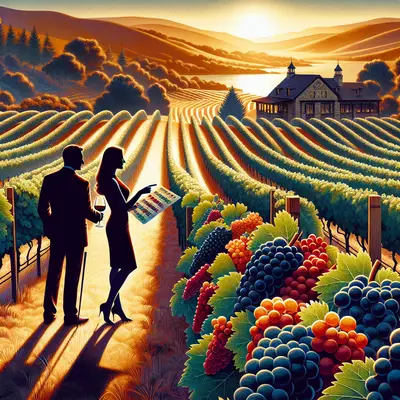
Late afternoon and the onset of golden hour turn vineyards into natural theaters. The softened light reveals textures in the landscape that are invisible at noon: the gentle curvature of terraces, the subtle color differences between varietal blocks, the shimmer of river stones. If you schedule a vineyard walk at this time, you’ll experience not only the wines but the setting at its most photogenic and contemplative.
Harvest season adds another temporal dimension. Visiting during veraison (when grapes turn from green to purple) or active harvest offers an intensity of energy in the cellar—sorting tables, fermentations, and the aroma of crushed fruit—that you simply cannot access at other times of year. While these visits must be arranged well in advance and handled with sensitivity, they can be some of the most revealing experiences available.
Five Exclusive Insights Seasoned Enthusiasts Rely On
Experienced wine travelers tend to share a quiet set of habits—subtle practices that markedly deepen each visit. These five insights are rarely advertised, but they can transform your next itinerary.
- Ask to Taste Across Elevation or Soil, Not Just “Reserve” vs. “Estate”
Rather than defaulting to standard tiers, inquire whether the winery bottles single-vineyard or single-block expressions, or can share barrel samples from distinct parcels. Tasting a Chardonnay grown on limestone beside one rooted in clay, or a Cabernet from valley floor versus hillside, offers a masterclass in terroir that surpasses conventional “better vs. best” lineups. Many premium estates are delighted to showcase this dimension to genuinely interested guests.
Bring One Benchmark Bottle as a Conversation Piece
With advance permission and tact, some wineries are open to a side-by-side tasting that includes a respectfully chosen bottle from a comparable region (for example, a classically styled Bordeaux at a high-end Napa estate, or a Côte d’Or Burgundy at a cool-climate Pinot producer). This is not about competition; it is about reference points. The exchange often prompts unusually candid discussions about stylistic goals, aging curves, and the estate’s place in the global landscape.
Request a Vertical, Even a Modest One
A vertical tasting—even three vintages of the same wine—reveals more about a winery’s philosophy and consistency than any broad flight. You begin to see how the estate navigates differing climatic conditions, whether oak integration evolves predictably, and how the house style persists or adapts over time. This kind of tasting is more logistically demanding; arranging it in advance, and demonstrating genuine curiosity, can unlock a deeper, often more private experience.
Pay Attention to the “Quiet Wines”
In many lineups, there is a flagship wine designed to impress—dense, powerful, frequently most expensive. Enthusiasts know to watch the mid-tier or entry-level bottlings with disproportionate care. A thoughtfully made, precise village-level Burgundy or an estate’s simplest white can reveal an uncompromising commitment to quality. If the “quiet” wines are compelling, the upper echelon is usually worth serious attention.
Listen to the Vineyard Team, Not Just the Tasting Host
When possible, spend time with those who work closest to the vines: vineyard managers, viticulturists, or long-tenured cellar hands. Their language may be less polished, but their insight into pruning choices, disease pressure, yield decisions, and harvest timing will give you a more candid sense of how the estate thinks. Enthusiasts often schedule one visit per trip where the primary focus is a technical walk with the vineyard team, even if the tasting itself is comparatively modest.
Composing the Sensory Experience
The best vineyard visits engage all the senses with intention. There is both pleasure and precision in how you approach the glass on site.
Begin by calibrating your expectations: wine tastes different at the source. Young barrel samples may feel more angular; freshly bottled wines can show a touch of bottle shock; older vintages pulled from a cool cellar will need time to unfurl in the glass. Give each pour a moment to come to temperature and to open; swirling outside in a gentle breeze is a different proposition than in a still, climate-controlled tasting room.
Use the landscape as a lens. When you detect crushed stone in a white wine’s aroma, glance down at the gravel underfoot. When a red carries a note of wild herbs, look to the surrounding vegetation. Linking sensory impressions in the glass to the physical environment builds a mental map you’ll carry long after the visit ends.
Finally, take notes, but not at the expense of presence. Rather than scoring wines, jot down a few key descriptors and one sentence on how each wine feels—its energy, its texture, its emotional register. Later, these impressions will prove more evocative than numeric ratings.
Conclusion
A vineyard visit, at its most refined, is not a checklist but a conversation—between land and climate, between grower and vintner, and ultimately between wine and guest. By attending to timing, landscape, and the nuanced habits that seasoned enthusiasts quietly uphold, you transform an afternoon of tasting into a study in place and perspective.
The reward is not merely a handful of memorable bottles, but a calibrated sensibility: a deeper understanding of why certain wines move you, and how to seek out those experiences again, with even greater intention, wherever in the wine world your travels next lead.
Sources
- University of California, Davis – Terroir and Wine Quality - Academic overview of how soil, climate, and site influence wine character
- Napa Valley Vintners – Visiting Wineries Guide - Practical guidance on planning winery visits and tasting etiquette in a major wine region
- Wine Institute – Discover California Wine Country - Regional context and background on appellations, climate, and travel across California wine country
- Bordeaux Wine Council (CIVB) – The Vineyard & Terroir - Detailed description of terroir, soils, and vineyard structure in a classic region
- Decanter – How to Taste Wine Like a Professional - Expert guidance on structured tasting and sensory analysis techniques
Key Takeaway
The most important thing to remember from this article is that this information can change how you think about Vineyard Visits.