Some wine tours feel like checklists: a blur of beautiful views, good glasses, and photos for later. Others feel almost whisper‑personal, as if the landscape, the cellar, and the timing of each pour were composed with you specifically in mind. The difference is rarely accidental. It lies in a handful of quiet decisions—what time you arrive, where you stand in the vineyard, how your palate is paced—that separate a pleasant outing from a truly memorable, bespoke journey.
For travelers who seek more than bus‑tour tasting flights, understanding how to curate (or request) a refined experience is essential. These five insights reveal how serious enthusiasts and discreet connoisseurs shape wine tours that feel intimate, intelligent, and quietly luxurious—without a trace of ostentation.
Reading the Vineyard Before the First Pour
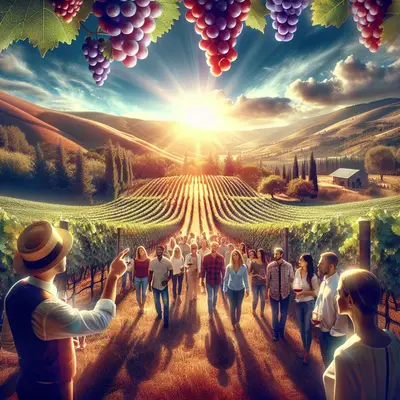
The most rewarding wine tours begin long before you enter the tasting room; they start in the vines, with someone willing to help you “read” the landscape. A skilled host doesn’t just point out the view—they decode it. The way morning fog hangs in one corner of the valley, the subtle change in soil color along a row, the angle at which vines are trained: each detail foreshadows what you’ll encounter in the glass. Paying attention here adds a layer of context that transforms tasting from mere hedonism into understanding.
Ask about the oldest block on the property and why it has survived; inquire where the winemaker turns when a vintage is difficult. Stand still for a moment and notice the soundscape—wind, insects, distant tractors—which tells you whether the vineyard is manicured, wild, or somewhere in between. Enthusiasts who give this moment their full attention often find that the wines later seem to “speak” more clearly. The vineyard walk stops being a scenic prelude and becomes the key to decoding the entire portfolio.
Pacing the Palate Like a Chef’s Tasting Menu
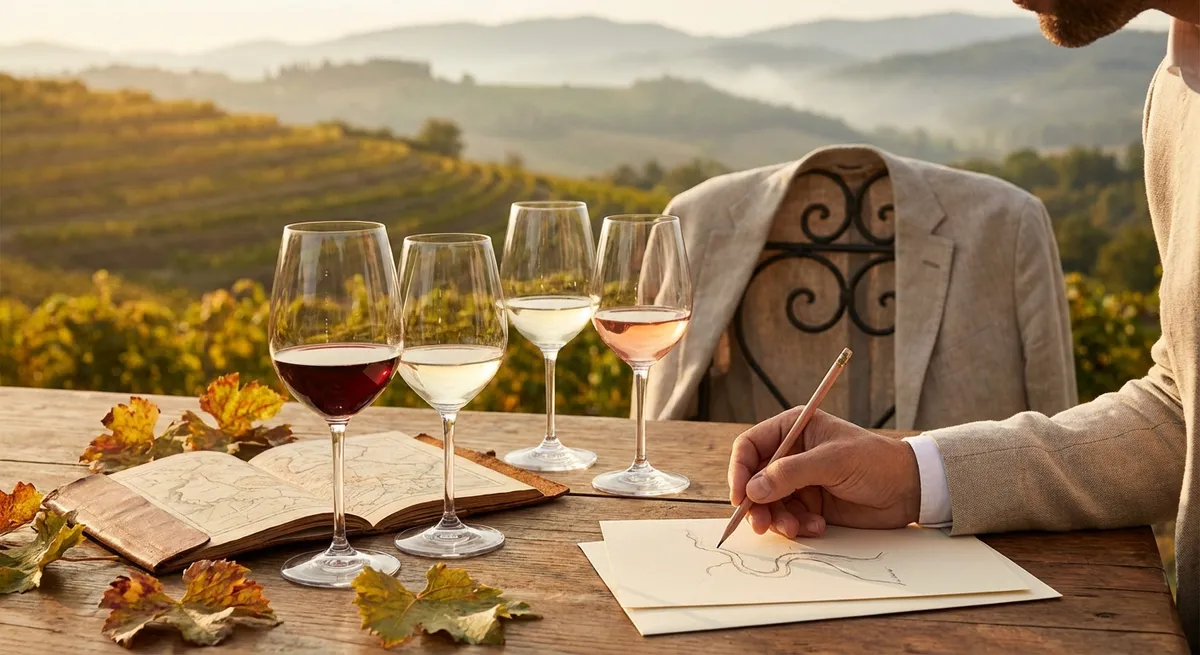
Sophisticated wine travelers treat a tasting flight the way a serious diner approaches a multi‑course menu: with intention, curiosity, and restraint. A well‑designed tour doesn’t rush from light white to dense red without considering how your palate will respond. Instead, it creates an arc. The most attentive hosts will adjust pours and sequence based on your reactions, gently steering you toward wines that reveal nuance rather than sheer power.
As a guest, you can enhance this by signaling that you value depth over quantity. Ask to focus on a particular variety, vintage, or style, and be open to revisiting a wine later to see how it evolves in the glass. Take small sips and leave a little in each pour; this invites thoughtful top‑ups or side‑by‑side comparisons if the host is inspired. True luxury in tasting is not about receiving “more,” but about experiencing each wine at precisely the point where it shows you something new.
Listening for the Winemaker’s Signature
Behind every polished label is a sequence of decisions—some bold, some nearly invisible—that form a winemaker’s signature. On a refined tour, the most engaging moments often come when that signature is quietly revealed. Do they pick earlier to preserve tension, or wait for opulence? Are they willing to accept a smaller yield in pursuit of concentration? Which barrels are reserved for their most personal cuvées, and why?
Enthusiasts who ask about process, not just accolades, unlock a different level of conversation. Instead of “What’s your highest‑rated wine?”, try “Which wine do you find the most challenging to make—and what makes it worth the effort?” The answer often leads you to the bottle that matters most to the estate, not necessarily the one that appears most prominently on social media. Understanding this “inner circle” of wines creates a feeling of being quietly let in on something—an intimacy that lingers long after you have left the property.
Choosing Time of Day as Carefully as the Destination
The same winery can feel entirely different at 10 a.m. than it does at sunset, and experienced travelers use time as a deliberate tool. Morning visits often reveal a focused, undistracted estate: the air is cooler, aromas are sharper, and the staff is fresher, with more bandwidth for unhurried conversation. Late‑afternoon tastings, by contrast, can wrap the experience in a golden warmth—perfect for savoring a final glass overlooking the vines as the day softens.
For complex reds, a slightly later slot can allow wines to open more fully after being pulled from the cellar; for sparkling or high‑acid whites, a crisp morning can enhance their linearity. Aim to avoid the peak of the day, when groups arrive en masse and the rhythm tilts toward efficiency. Requesting off‑peak or extended appointments, and spacing your visits generously, signals that you value reflection over volume. The result is a tour that feels composed rather than crowded—luxury measured in minutes and silence, not merely in labels.
Seeking the Moments That Aren’t on the Brochure
The most treasured memories from a wine tour are often the ones that were never officially offered. A quiet barrel sample shared because you asked a thoughtful question. A detour into an older cellar that “isn’t part of the standard tour, but you might appreciate seeing it.” A simple staff lunch wine poured for you off‑list, revealing what the team actually drinks when no one is watching. These unscripted interludes depend less on status and more on the quality of your curiosity and respect.
To invite such moments, treat every interaction—from the person at the gate to the cellar master—as part of the experience. Show genuine interest in the estate’s history, the particular challenges of the vintage, and the people behind the scenes. When appropriate, purchase with discernment: choosing fewer bottles that truly moved you, rather than a case grabbed hurriedly. Wineries notice guests who are attentive, considerate, and engaged; those are the visitors they are most inclined to surprise with something quietly special.
Conclusion
A sophisticated wine tour is not defined by how many wineries you can fit into a day, nor by how impressive the labels appear on your feed. It is shaped by subtler choices: reading the vineyard as carefully as you read the tasting notes, pacing your palate with intention, tuning in to the winemaker’s true voice, honoring the right moment of day, and leaving space for unscripted generosity.
When you approach each visit this way, even the most celebrated estates feel unexpectedly intimate. The landscape starts to narrate the wines, the cellar becomes a story rather than a backdrop, and the bottles you bring home are more than souvenirs—they are chapters in a journey you consciously composed, one refined detail at a time.
Key Takeaway
The most important thing to remember from this article is that this information can change how you think about Wine Tours.