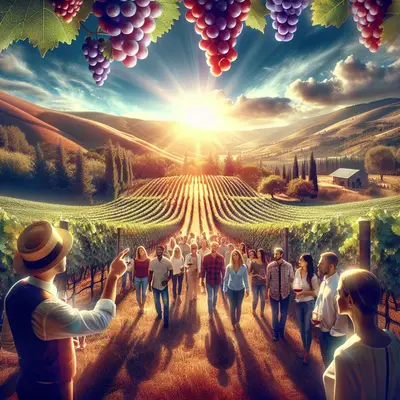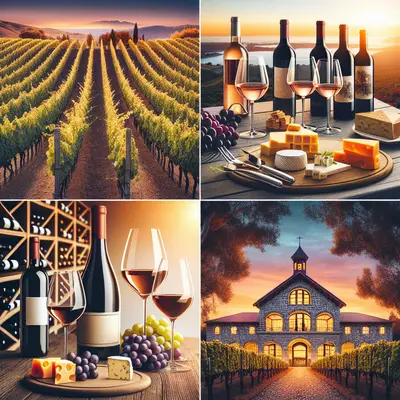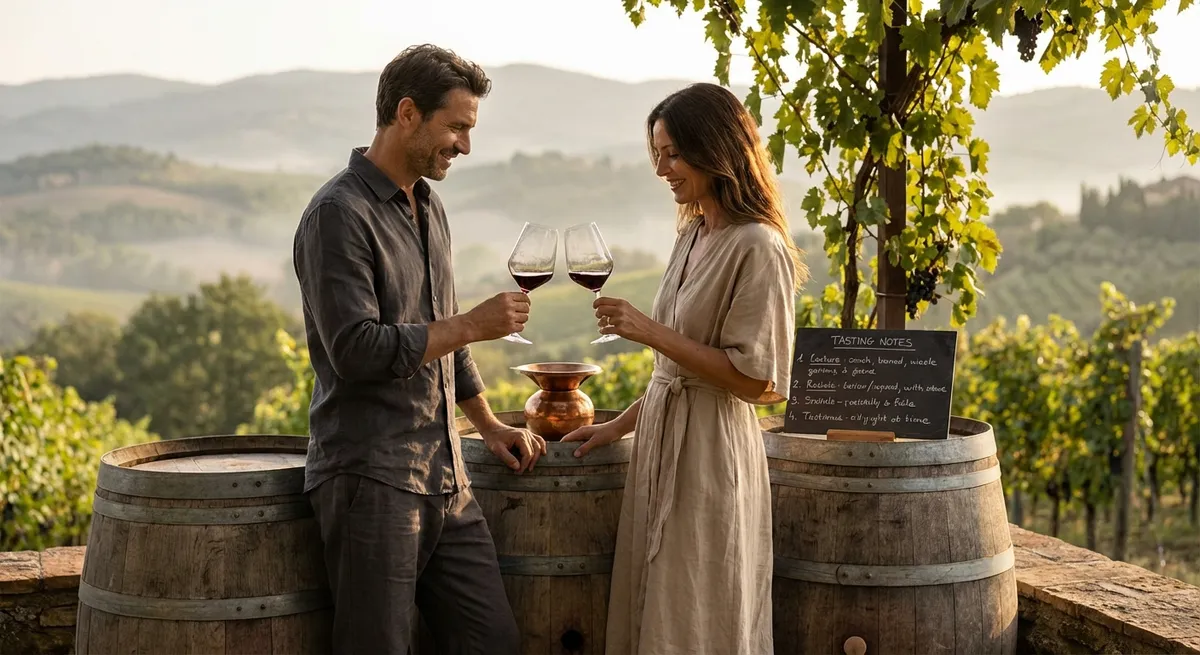
There is a particular kind of luxury that doesn’t announce itself with excess, but with precision: a perfectly timed vineyard visit at golden hour, a cellar tasting that reveals a winemaker’s private experiments, a library bottle poured in silence before anyone mentions its vintage. For travelers who seek more than postcard views and standard flight tastings, the modern wine tour can be a quietly transformative experience. It is not simply about visiting vineyards; it is about curating moments where place, time, and craftsmanship align with exquisite intention.
The Vineyard as a Living Archive
To the observant traveler, a vineyard is far more than a scenic backdrop. It is a living record of decisions made over decades—sometimes centuries—by families, growers, and winemakers. Vine row spacing speaks of past beliefs about yield and quality; old gnarled vines reveal a region’s resilience against frost, phylloxera, or shifting fashion; cover crops between the rows whisper the estate’s philosophy on biodiversity, soil health, and sustainability.
When you walk a vineyard with its viticulturist or winemaker, pay attention to the details beyond the rehearsed tour narrative. Look at the differences between parcels: a slight change in slope that alters drainage, a patch of lighter-colored soil that hints at limestone, a pocket of cooler air at the bottom of a hill where fog lingers just a bit longer. These nuances often explain why a single estate can produce wines of strikingly different character from blocks separated by only a few meters. A refined wine tour frames the vineyard not as a backdrop for photos, but as an open-air library of terroir—one that becomes more legible with each thoughtful visit.
Behind the Barrel: Understanding Time as a Luxury
The most exclusive aspect of fine wine is not rarity, but time. In the cellar, time is sculpted, stretched, and layered with intention. A premium wine tour that ventures beyond the public tasting room and into working cellars allows you to witness this choreography of patience. Barrels of varying age and origin—French oak, Slavonian oak, occasionally acacia or chestnut—quietly influence tannins, aromatics, and texture. Stainless steel tanks shimmer with youthful wines protected from oxygen, while large-format foudres shelter long, gentle maturations.
As you taste from barrel or cask, notice how structure and potential reveal themselves before aromatic complexity fully unfolds. A wine that feels angular and reticent in barrel may, with time in bottle, become silk-lined and expansive. Top estates often keep experimental lots—different coopers, varied toast levels, alternative fermentation vessels—hidden from the standard tourist route. When you are invited to sample these, you are not just tasting wine; you are observing the estate’s internal dialogue about its future style. Time here is not a cost but a craft, and the privilege lies in glimpsing that work in progress.
Five Exclusive Insights for the Attentive Wine Traveler
For enthusiasts who have already visited a handful of classic regions, the distinction between a pleasant tour and a truly elevated experience lies in subtleties. These five insights can help you move beyond the obvious and access the quieter, more privileged layers of a wine journey.
Tasting Order Reveals the Estate’s Philosophy
The sequence in which wines are poured is rarely arbitrary. Some domaines begin with their flagship cuvée, signaling confidence and a desire to define your impression from the outset. Others progress from entry-level to grand vin, guiding you through an ascending narrative of complexity and terroir expression. Pay attention to whether whites precede reds, or if the estate intersperses them according to texture rather than color alone. The tasting order often discloses how the estate understands its own hierarchy, where it believes its strengths lie, and which wines it quietly considers its truest ambassadors.
Library Bottles Are a Window Into Authentic Aging Potential
Many wineries speak of their wines’ capacity to age, but only a few can demonstrate it convincingly. When an estate opens an older vintage—especially one not widely available on the market—you gain a rare calibration point. You can compare that mature expression with the current release and see which elements persist: the spine of acidity, the precision of tannins, the signature aromatics of the site. These library tastings, often reserved for more engaged visitors, reveal whether a producer’s reputation for longevity rests on marketing or on genuine structural integrity in the glass.
Sub-Zones and Single Parcels Matter More Than You Think
The most discerning producers increasingly highlight micro-terroirs: single-vineyard or parcel-specific bottlings where soil type, exposure, and microclimate are meticulously isolated. During your tour, listen for references to “upper slope parcels,” “river-adjacent plots,” or “old-vine sections on decomposed granite.” If you are offered the chance to taste these bottlings side by side, you are effectively experiencing a topographical map translated into flavor. This parcellaire approach, pioneered in regions like Burgundy, is now embraced globally, and it is one of the most rewarding lenses through which to understand both a region’s potential and a producer’s precision.
Harvest Timing Is the Quiet Signature of Style
Two neighboring estates, harvesting the same variety on the same hillside, can deliver radically different styles simply through harvest timing. Ask your host how their harvest dates compare with the regional norm. Earlier-picking estates often privilege freshness, tension, and lower alcohol, while later pickers may favor richness, succulence, and more opulent texture. Over multiple visits and regions, you will begin to recognize this “harvest handwriting” in the glass, a subtle continuity that can be more revealing than any marketing descriptor.
Hospitality Details Signal Depth of Commitment, Not Just Luxury
In refined wine tourism, true hospitality is measured less by opulence and more by intentionality. A thoughtfully prepared stemware selection—different glasses for sparkling, aromatic whites, delicate reds, and structured wines—speaks of respect for nuance. Tasting notes printed with vintage conditions, vineyard origins, and suggested cellaring windows indicate that the estate expects and encourages an informed audience. Small details, such as serving temperatures carefully aligned with each wine’s profile or the presence of neutral palate cleansers rather than perfumed snacks, quietly convey that you are in the hands of professionals who prioritize fidelity of expression above theatrics.
Designing a Wine Tour That Honors Place and Producer
The most rewarding wine journeys are curated with as much care as a fine cuvée. Rather than rushing through as many estates as possible, consider structuring each day around fewer visits, with more time allotted to each. This slower rhythm allows for unhurried conversations, impromptu barrel tastings, and the occasional detour into a vineyard at dusk.
Seek out a balance of experiences: one iconic, historically important producer; one rising avant-garde estate with experimental practices; and one family-run property where multi-generational continuity shapes every barrel in the cellar. In emerging regions, prioritize estates that articulate a clear identity rather than those mimicking more famous appellations. Ask precise, respectful questions—about pruning strategies, fermentation choices, or the evolution of house style over time. In return, you are often rewarded with access to bottles and stories that never make it into public-facing materials.
In an era where wine tourism can sometimes feel standardized, your itinerary becomes a statement of intent. A well-designed tour demonstrates that you value depth over spectacle, authenticity over trend, and that you are prepared to meet producers on the level at which they actually work: attentive, patient, and fully engaged.
Conclusion
A premium wine tour is not defined by price tags or exclusivity alone, but by the quality of attention you bring and the level of openness you encounter in return. When you begin to read vineyards as living archives, cellars as ateliers of time, and tasting sequences as narratives of philosophy, each visit becomes richer, more textured, and more personal. The rarest luxury in the world of wine is not the most coveted bottle, but the quiet moment in which a place, a vintage, and a vision of craftsmanship align in your glass—and you are prepared to recognize it.
Thoughtfully chosen routes, informed questions, and a willingness to linger transform wine travel from pleasant escapism into a series of meaningful encounters. These are the journeys that stay with you long after the suitcase is unpacked and the last bottle from your trip has been shared.
Sources
- [Wine Institute – World Wine Production and Consumption](https://wineinstitute.org/our-industry/world-wine-production-and-consumption/) – Industry data and context on global wine production and consumption trends
- [UC Davis Department of Viticulture and Enology](https://wineserver.ucdavis.edu/) – Educational insights into viticulture, winemaking practices, and research that inform cellar and vineyard decisions
- [Bourgogne Wines Official Site – Climats and Terroirs](https://www.bourgogne-wines.com/our-vineyards-our-terroir/the-climats-of-bourgogne,2411,9251.html) – Authoritative explanation of parcel-specific (climat) and terroir-driven wine practices
- [Institut National de l’Origine et de la Qualité (INAO)](https://www.inao.gouv.fr/) – French governmental body overseeing appellations, offering insight into geographic indications and regional classifications
- [Decanter – How to Plan a Wine Trip](https://www.decanter.com/wine-travel/how-to-plan-a-wine-trip-350989/) – Practical guidance on structuring wine-focused travel, from visit pacing to estate selection
Key Takeaway
The most important thing to remember from this article is that this information can change how you think about Wine Tours.