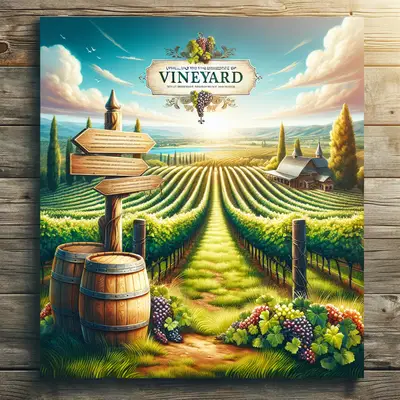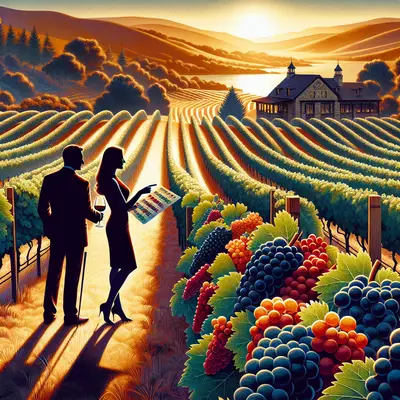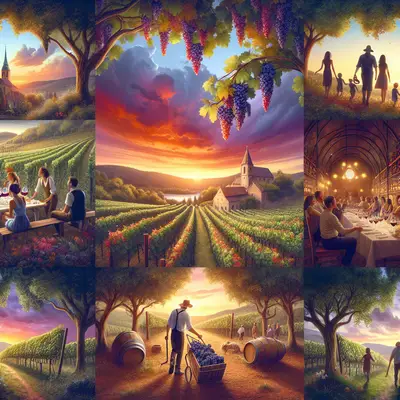
There is a particular stillness that settles over a vineyard—the muted crunch of gravel underfoot, the whisper of leaves in the afternoon breeze, the distant rhythm of work in the rows. For the refined traveler, a vineyard visit is not a casual outing; it is an immersion into place, time, and craftsmanship. When approached with intention, these visits become quietly transformative—an elegant dialogue between terroir, tradition, and taste.
Below are five exclusive insights designed for enthusiasts who seek more than a tasting flight. These perspectives invite you to enter the vineyard not as a spectator, but as a discerning guest who understands the subtle choreography behind each glass.
Savoring the Vineyard’s “Quiet Hours”
The most memorable vineyard experiences rarely unfold at peak visiting times. Arriving either early in the morning or later in the afternoon subtly changes everything: the light, the temperature, the pace of the team, even the way the vines present themselves.
In the morning, the vineyard feels contemplative. Dew may still cling to the leaves, and the aromas are strikingly pure—fresh earth, wild herbs, a faint floral note rising from the soil as it warms. In these hours, conversations with vineyard workers or the estate manager tend to be more candid, more generous with detail. Later in the afternoon, the atmosphere softens; the sun drops, shadows lengthen, and the wines poured in the tasting room often seem calmer and more integrated in the glass.
Planning your visit around these “quiet hours” not only offers a more private, unhurried experience, it allows you to sense the vineyard in its truest rhythm—before or after the day’s performance begins in earnest.
Reading the Vineyard Like a Living Library
To the attentive visitor, a walk through the vines is as instructive as any formal tasting. Every row is a chapter; every detail is a footnote revealing how the estate thinks about quality.
Observe the spacing of the vines: tighter spacing can indicate an emphasis on competition between vines, encouraging deeper roots and more concentrated fruit. Look at canopy management—how leaves are trimmed or arranged over the fruit zone. An open canopy suggests careful attention to airflow and sun exposure, often linked to disease prevention and refined ripeness.
Note the ground cover: is there bare earth, or do you see grasses and wildflowers? Sustainable and organic producers often encourage biodiversity between rows, a strategy that influences soil health and, ultimately, the character of the wines. Even the orientation of the rows—angled towards sunrise, sunset, or prevailing winds—offers clues about how the estate captures light and moderates heat.
Approaching the vineyard as a living library deepens your understanding of the wine in your glass. You begin to recognize that every small choice outdoors prefigures the style and structure of the finished wine.
Seeking Out the “Inner Cellar”: Behind-the-Scenes Privileges
Many wineries offer polished public tours, but the true connoisseur knows that the most illuminating experiences often take place just off the official route. The key is to signal interest not merely in tasting, but in understanding.
When arranging your visit, inquire politely about possibilities beyond the standard itinerary. A brief barrel sample in a working cellar, a tasting of base wines prior to blending, or a side-by-side comparison of the same grape from different parcels can reveal the estate’s philosophy far more clearly than a lengthy presentation.
If you’re visiting smaller, family-run properties, you may find that the winemaker or vineyard manager is willing to step away for a moment to explain a fermentation vessel, show a trial blend, or demonstrate how they monitor maturation in barrel or tank. These insights into decisions—oak regime, lees contact, racking schedules—transform the narrative from marketing to craftsmanship.
The most rewarding “inner cellar” moments are quiet, technical, and precise—not theatrical. They leave you with a clearer sense of how intention becomes wine.
Tasting as a Conversation with the Landscape
For the dedicated enthusiast, the true value of a vineyard visit lies in connecting what you see outside with what you taste inside. The landscape, when properly interpreted, becomes the frame through which every aroma and texture makes more sense.
As you taste, remind yourself of the vineyard details you’ve observed. Did you notice cooler, wind-exposed slopes? That might explain the wine’s elevated acidity and tension. Were certain blocks planted on rockier, well-drained soils? You may find more linear, mineral-driven wines from those parcels. If you observed older vines—gnarled trunks, thicker arms—look for depth, concentration, and a more layered mid-palate.
Ask to taste single-vineyard wines, or cuvées distinguished by specific plots or soil types. This lets you experience, in the glass, the distinctions you have just walked through in the field. Over time, you begin to recognize that “terroir” is not an abstract concept, but a series of tangible conditions—slope, sun, soil, climate, human choices—articulated in flavor.
Tasting becomes a refined exercise in alignment: linking place, practice, and palate in one continuous, elegant thread.
Curating a Personal Archive of Each Visit
For seasoned travelers, vineyard visits quickly blur together unless they are intentionally documented. Creating a discreet personal archive of your experiences turns each visit into a reference point, sharpening your appreciation and guiding future journeys.
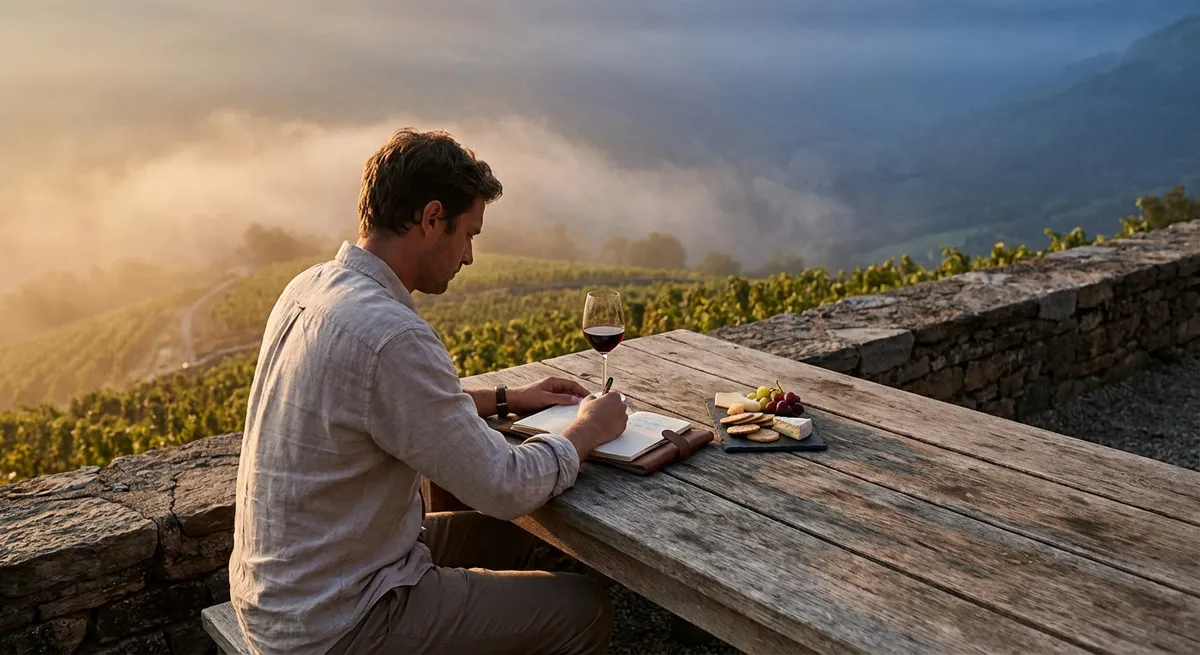
Begin with thoughtful notes—not only on the wines, but on the specifics that distinguish each estate: pruning style, orientation of vineyard blocks, cellar techniques, the demeanor of the wines (are they tensile and austere, or generous and silken?). Photograph the vineyard from key vantage points—slopes, notable soil exposures, canopy variations—not simply the tasting room.
Later, as you revisit the estate’s wines at home or encounter them on a restaurant list, consult your archive. A particular aroma may call back the coolness of a shaded parcel or the warmth of a southwest-facing slope. Over years, this personal record forms a sophisticated mental map of regions, producers, and vintages—a private atlas of wine, grounded in lived experience rather than labels alone.
In the end, this archive is less about collecting data and more about refining perception. It nurtures an informed, elegant kind of familiarity: you no longer drink a wine; you revisit a place.
Conclusion
An elevated vineyard visit is not defined by how many wines you taste, nor by the prestige of the label on the gate. It is shaped by how attentively you move through the landscape, how thoughtfully you engage with those who steward it, and how clearly you connect outdoor observation with the nuances in your glass.
By embracing the vineyard’s quieter hours, learning to read the rows, seeking discreet behind-the-scenes moments, tasting as an extension of the land, and curating your own archive, you transform travel into a series of finely wrought encounters. Each visit becomes a quiet privilege—an intimate dialogue with the vines that continues long after the last bottle is opened.
Sources
- University of California, Davis – Terroir and Wine Quality – Explores how soil, climate, and topography influence wine style and quality
- Burgundy Wine Board (BIVB) – Understanding the Climats of Burgundy – Detailed explanation of vineyard parcels and their impact on wine character
- Institute of Masters of Wine – Sustainable Viticulture – Discusses modern vineyard practices, biodiversity, and their role in wine quality
- OIV – International Organisation of Vine and Wine: Viticulture Practices – International guidelines and technical documents on vineyard management
- Wine Institute – California Sustainable Winegrowing Program – Insights into practical sustainable practices implemented in vineyards and wineries
Key Takeaway
The most important thing to remember from this article is that this information can change how you think about Vineyard Visits.