There comes a moment, somewhere between the first glimpse of ordered vines and the final swirl in the glass, when a vineyard visit shifts from pleasant pastime to quiet revelation. The difference is rarely about brand names or marble tasting rooms; it lies in what you notice, what you ask, and how deeply you allow the place to speak. For travelers who seek more than a postcard view, the modern vineyard has become a finely tuned stage for craftsmanship, culture, and subtle luxury. This is an invitation to experience that world with greater intention—and to discover five exclusive insights that serious wine enthusiasts quietly prize.
Reading the Landscape: The Vineyard as a Living Archive
Before a single cork is pulled, the vineyard itself is already telling you a story. The slope of the hill, the angle of sunlight, the pattern of windbreaks, even the way grasses and wildflowers grow between rows—all are clues to the wine’s eventual character. Discerning visitors approach a vineyard as a kind of living archive: each contour, each stone, each patch of shade reveals the choices made by those who farm it.
Walk slowly. Notice where the soil changes color from row to row, or where vines look slightly more compact or more vigorous. Ask your host which parcels ripen first and which require the most attention in difficult years. The most compelling estates will speak fluently about their micro-parcels—sometimes by name, sometimes simply by pointing to a rocky knoll or a cooler hollow. This is where vineyard visits transcend generic tourism: you start to understand why a particular wine could only come from this exact piece of earth, and why no amount of technology can replicate it elsewhere.
Time as the Hidden Luxury: Visiting with the Vintage in Mind
The calendar you choose for your visit is as important as the winery you select. Serious enthusiasts know that a vineyard in February, with bare canes and frost in the air, can be just as revealing—and often more intimate—as the postcard-perfect harvest scene. Each season grants you a different, privileged angle into the winery’s priorities and philosophy.
In late winter and early spring, pruning exposes the architecture of the vines and the discipline of the vineyard team. Summer visits reveal canopy management, crop-thinning decisions, and water strategy—crucial in an era of climate change. During harvest, organized chaos takes over: fermentation aromas, picking decisions at dawn, and the choreography of sorting tables all display the estate’s commitment to precision. A premium experience aligns your visit with a moment in the vintage that illuminates the estate’s craft, rather than simply its hospitality. When planning, ask not just “Are you open?” but “What will be happening in the vineyard and cellar when I arrive?”
Beyond the Tasting Room: Cellars, Experiments, and Quiet Corners
The most memorable vineyard visits often unfold away from the polished bar and curated flights. Enthusiasts in search of deeper insight gently steer the conversation toward the places and projects that rarely feature on standard tours: experimental plots, comparative barrel-aging trials, or older vintages resting out of public view. The goal is not to collect obscure anecdotes, but to witness how the estate thinks.
In the cellar, pay attention to variation rather than hardware. Different barrel sizes, a mix of cooperages, or a blend of stainless steel, concrete, and oak often reflects nuanced decisions about texture, freshness, and longevity. Ask about recent changes—have they reduced new oak, altered maceration times, or adopted gentler extraction? In vineyards that embrace organic or biodynamic farming, look for evidence beyond the brochure: compost piles, biodiversity strips, insect hotels, or cover crops specifically chosen for soil health. The quiet, unadvertised details are often the most revealing markers of a winery’s true priorities.
The Palate as a Notebook: Tasting with Structure, Not Just Sensation
Once seated for the tasting, many guests default to a script of fruit descriptors and passing judgments. Enthusiasts seeking a premium experience approach the glass more structurally, using the palate as a kind of notebook that records the estate’s choices from vine to bottle. Instead of asking only what you taste, ask how the wine behaves—how it moves, how it changes, where it lingers.
Focus first on texture and architecture: acidity, tannin, weight, and length. Consider how these elements reflect what you’ve seen outside—cooler parcels tending toward higher acidity, rocky soils often contributing tension and grip, warmer slopes yielding richer mid-palates. Taste wines in sequence not just as a flight, but as a conversation among different plots, varieties, or vintages. Notice how a single grape expresses itself differently across sites or years. Premium wineries will often reward this level of attention with deeper context: the story of a challenging vintage, the micro-adjustments made in the cellar, or a quietly poured comparison from a library bottle to show how their wines evolve with time.
Cultivating Access: Building Lasting Relationships with Exceptional Estates
Perhaps the most exclusive insight of all is that the finest vineyard experiences are rarely one-time encounters. They are relationships—often subtle, always mutually respectful—built over years. In an age when coveted wines sell out before public release, access increasingly favors those who invest in understanding, not just purchasing. A thoughtful visitor becomes part of the estate’s extended community.
This does not require extravagance, but it does demand sincerity. Share what genuinely moved you about the visit, follow the estate’s vintages over time, and communicate with your host when you open their wines on meaningful occasions. Consider returning at a different moment in the growing cycle to deepen your perspective. Estates that value long-term connection often reciprocate with privileges not widely advertised: invitations to intimate tastings, access to small-production cuvées, or opportunities to participate in harvest for a morning. Over time, the vineyard becomes less a destination and more a familiar landscape you revisit with increasing appreciation—a private thread woven through your life as a wine lover.
Conclusion
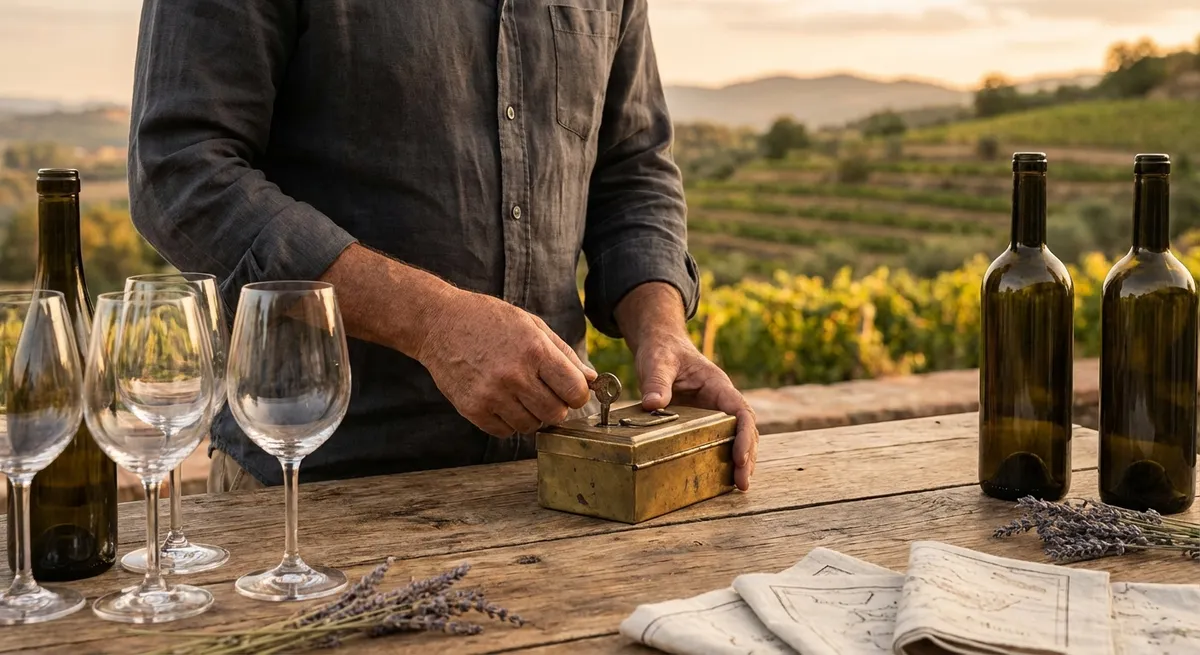
A vineyard visit, at its most refined, is not simply an afternoon diversion but a layered encounter with place, time, and intention. By learning to read the landscape as a living archive, aligning your visit with the rhythm of the vintage, exploring beyond the public-facing spaces, tasting with structural curiosity, and nurturing authentic relationships with estates, you move into a different tier of experience—one often reserved for those who listen more than they speak. On your next journey among the vines, let each detail—soil underfoot, barrel in the half-light, quiet arc of a pour—serve as a key. The doors it unlocks will remain open long after the last glass is empty.
Sources
- UC Davis Viticulture and Enology – Terroir and Vineyard Site Selection – Explains how soil, climate, and topography shape wine character and vineyard decisions
- OIV (International Organisation of Vine and Wine) – Vitiviniculture Guidelines – Provides technical insights into vineyard practices and seasonal work in the vines
- Wine Institute – Sustainable Winegrowing Practices – Details sustainable and environmental practices used in premium vineyards
- Napa Valley Vintners – Winemaking & Aging – Describes cellar techniques, barrel choices, and aging approaches at quality-focused wineries
- Decanter – How to Taste Wine Like a Professional – Offers a structured approach to tasting, focusing on balance, structure, and evolution in the glass
Key Takeaway
The most important thing to remember from this article is that this information can change how you think about Vineyard Visits.