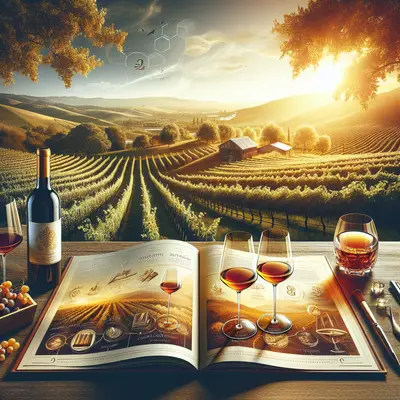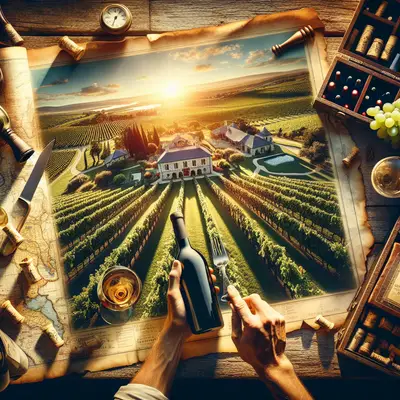
There is a tier of wine experience that never appears on roadside billboards or package-tour itineraries. It resides behind unmarked gates, in candlelit tasting salons, and in vineyards where the workday begins before sunrise and never quite ends. Premium wineries are not defined by price alone, but by rigor, restraint, and an almost obsessive pursuit of nuance. For travelers who seek something more than a pleasant afternoon among the vines, these estates offer a quiet luminosity—experiences calibrated for depth rather than spectacle.
What Truly Distinguishes a Premium Winery
At first glance, a premium winery can appear disarmingly understated. The architecture may be minimalistic, the signage modest, the tasting room serene rather than showy. The difference emerges in the details: the precision of vineyard mapping, the patience in cellar decisions, and the orchestration of guest experiences that feel considered rather than choreographed.
Premium producers typically work backward from a clear, long-term vision of style and identity. Grape sourcing is not merely about appellation prestige, but about micro-parcels, soil profiles, wind exposure, and plant material that has often been trialed for years before being fully adopted. In the cellar, technology supports, rather than replaces, human judgment. Data is respected, but it never has the final word; that privilege still belongs to the winemaker’s palate and the estate’s philosophy.
For guests, the distinction is measured not in how many wines are poured, but in how thoughtfully they are presented. Fewer labels, more context. Less performance, more conversation. A premium winery is ultimately defined by coherence—the way farming, winemaking, architecture, and hospitality all reinforce a singular, finely tuned narrative.
The Architecture of Time: How Premium Wineries Think in Decades
The most striking difference between premium wineries and their more commercial counterparts is how they relate to time. While many producers plan from one vintage to the next, top estates think in decades—sometimes in generations.
Vineyard replanting is scheduled not for convenience, but for what the estate believes its wines should express in 20 or 30 years. Rootstocks and clones are selected after exhaustive, small-scale trials, not simply ordered from a catalog. Barrel programs evolve at a glacial pace; a new cooperage may be integrated over many vintages, monitored for how it influences the wine’s trajectory from barrel to bottle to library release.
This long view extends to how and when wines are offered to guests. Some premium wineries refuse to release certain vintages until they have reached a minimum level of harmony, even when market demand would reward earlier sales. Others hold back a portion of each year’s production to build a historical archive that guests can access during specially curated tastings. For the visiting enthusiast, this time-intensive approach translates into experiences that feel composed rather than improvised—where each bottle you encounter is part of an evolving, carefully tended story.
Five Exclusive Insights for the Attentive Wine Enthusiast
Premium wineries reveal their true character in subtleties that can be easy to miss on a casual visit. For those who are willing to look—and taste—more closely, these five insights open a more intimate understanding of what is unfolding in the glass.
1. The Vineyard Map Is the Estate’s True Autobiography
In many serious estates, the most revealing object you can ask to see is not their flagship bottle, but their vineyard map. Premium wineries often divide their land into a mosaic of micro-parcels, each tracked and farmed with granular precision. Elevation gradients, slope aspects, soil transitions, and even subtle cooling corridors of wind are charted, studied, and revisited regularly.
If you are offered a walk through the vines, observe where your host pauses. Are they showing you a slightly stonier section of a slope that contributes lift and tension? Do they point out an older block that yields fewer grapes but more concentration? These nuances explain why two wines from the same grape and region can differ so strikingly. In the premium tier, terroir is not a romantic slogan; it is a rigorous, cartographic reality.
2. The Barrel Room Is a Study in Restraint, Not Excess
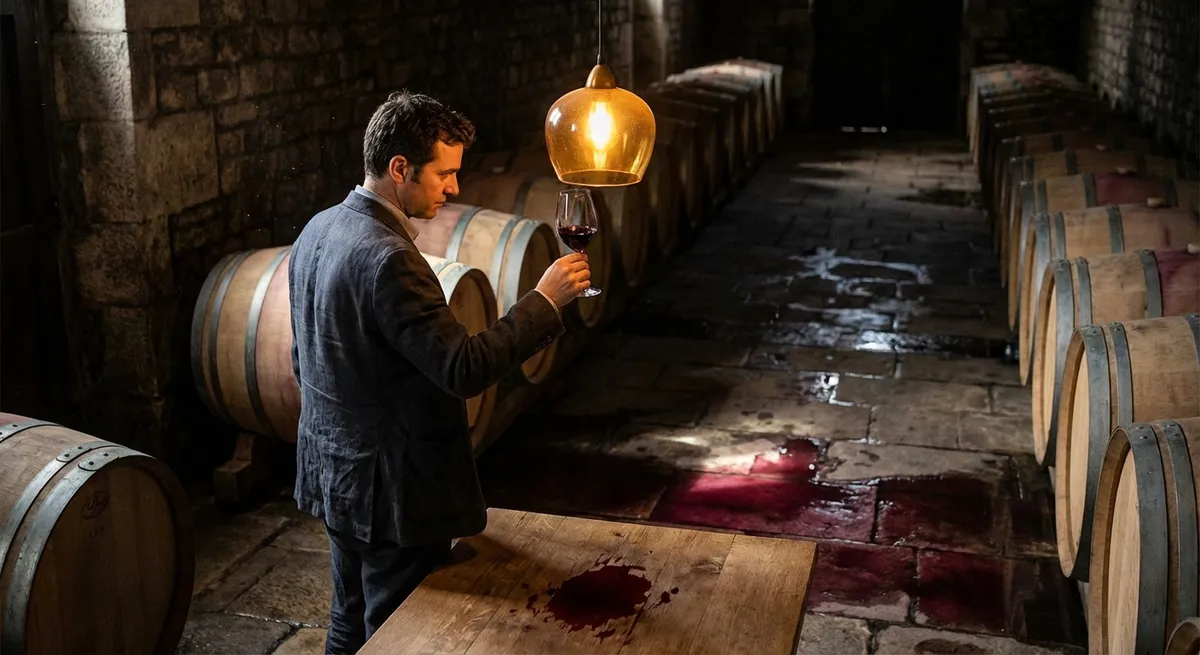
Many travelers expect a grand barrel hall as a visual centerpiece. At premium estates, the cellar is often quieter, more controlled, and less theatrical than anticipated. The real luxury is not in how many barrels you see, but in how deliberately they are chosen and used.
Look for diversity in barrel provenance and age rather than sheer volume of new oak. Top wineries often rely on a subtle mix of coopers and toast levels, integrating a modest proportion of new wood to frame, not dominate, the wine. You may notice temperature and humidity held within a narrow range, with meticulous cleanliness but no harsh disinfectant aromas. This environment is designed for stability and gentleness, allowing wines to evolve at their own pace, free from dramatic intervention.
Ask how long the wines remain in barrel versus bottle before release. Premium producers will usually have a nuanced answer, grounded in texture and balance rather than arbitrary timelines. Their relationship with oak is not decorative, but architectural.
3. The Tasting Order Is a Narrative, Not a Lineup
In premium wineries, the sequence of wines poured is rarely accidental. It is structured as a narrative arc, leading your palate through variations of texture, structure, and origin. Light to full-bodied is only the starting principle; the progression often reflects deeper layers of intent.
You might begin with a wine that exemplifies the estate’s broader region, then move to a single-vineyard expression that sharpens focus. Another pour may explore a particular soil type or an older planting. The final wines often carry emotional weight: a historic vintage, a rare cuvée, or a bottle that the winemaker considers the most articulate expression of their craft.
Pay attention to the transitions between wines. When you sense a deliberate shift—from tension to generosity, from vertical structure to layered breadth—you’re experiencing a curated conversation in liquid form. Ask what the estate hoped you would understand by tasting the wines in that specific order; their answer will often reveal the intellectual backbone of the winery.
4. Hospitality Signals Craft: How Small Gestures Speak Volumes
In the premium sphere, hospitality is less about lavishness and more about calibration. The way a glass is chosen, the pacing of the pours, the level of technical language used—these elements are tuned to you, not to a generic visitor profile.
Notice the stemware: its shape, weight, and cleanliness. Premium wineries invest heavily in glassware that amplifies aromatic detail and textural nuance. Temperature service is another quiet tell; white wines that are not numbed by over-chilling and reds that are slightly cooler than room temperature indicate a producer intent on transparency rather than crowd-pleasing richness.
The host’s questions matter as much as their answers. When they ask what styles you normally enjoy, they are not making small talk—they are calibrating how deeply to delve into tannin structure, malolactic fermentation, or soil composition. The most refined experiences feel conversational, never didactic; you leave with more knowledge not because you were lectured, but because someone listened closely to what you were ready to absorb.
5. The Library Room Reveals the Estate’s True Ambitions
If you are fortunate enough to be invited into a winery’s library—its collection of past vintages—you are stepping into the clearest expression of the estate’s long-term ambition. These bottles are not simply nostalgic artifacts; they are benchmarks against which current work is measured.
Observe the breadth and depth of vintages represented. Does the collection span challenging years as well as celebrated ones? Premium wineries are proud of how their wines endure less-than-ideal seasons; consistency across variability is a hallmark of serious craft. When a library tasting is offered, it often showcases wines at different stages of maturity to demonstrate that the estate’s style is built for evolution, not just immediate charm.
Pay attention to how older wines are handled: decanting decisions, time in the glass, even the choice of corkscrew or preservation system. Such details are evidence of a winery that sees its bottles not as commodities, but as long-form compositions, revealing new movements with age.
Designing a Premium Wine Visit Around Depth, Not Volume
For travelers who wish to engage with premium wineries on their own terms, the most valuable shift is from “how many places can we visit?” to “how deeply can we experience each estate?” A thoughtfully curated day may consist of only two or three appointments, each chosen for its distinct personality rather than its fame alone.
Reach out in advance and articulate your interests with precision: your preferred regions, varieties, and level of technical detail. Premium wineries often respond to thoughtful inquiries by tailoring experiences—vertical tastings, comparative vineyard flights, or guided walks with a viticulturist—creating encounters that feel bespoke rather than standardized.
Pace is essential. Build time between appointments to reflect, perhaps to revisit your notes or photographs from a vineyard walk. The most rewarding premium experiences are cumulative; each estate adds a new dimension to your understanding of region, climate, and style. By the end of such a day, you are not merely carrying bottles; you are carrying perspective.
Conclusion
Premium wineries exist at the intersection of discipline and discretion. Their greatest strengths rarely shout; they whisper through vineyard maps annotated over decades, through carefully chosen barrels, through tasting sequences that function as silent, elegant essays on place and time. For the attentive enthusiast, these are not simply destinations, but invitations—to taste more slowly, to observe more closely, and to appreciate that true luxury in wine is measured not by spectacle, but by the quiet authority of craft.
When you next step through the gates of a serious estate, look past the obvious markers of prestige. Ask to see the vineyard map. Linger in the barrel room. Listen to the rhythm of the tasting. In these refined details, you will find the real story—and the rarest kind of richness.
Sources
- Napa Valley Vintners – What Makes a Winery Unique – Overview of how wineries differentiate themselves through terroir, philosophy, and practices
- Institute of Masters of Wine – Terroir and Its Expression – In-depth explanation of terroir and its importance in premium wine production
- Wine Institute – California Sustainable Winegrowing – Details on sustainability practices commonly adopted by high-end wineries
- Harvard T.H. Chan School of Public Health – Wine and Health – Evidence-based discussion of wine consumption in a health context
- Decanter – Guide to Fine Wine Maturity and Cellaring – Exploration of aging, cellaring, and the role of library collections at serious estates
Key Takeaway
The most important thing to remember from this article is that this information can change how you think about Premium Wineries.