There is a moment, just before the first pour, when a truly premium winery reveals itself—not in spectacle, but in precision. It is in the sound of a cork drawn in a room held at the right temperature, in the way light falls across barrels selected from forests most travelers have never heard of, in how time itself seems to slow to the pace of a well-made vintage. At Wine Tour Adventures, we seek out these places where luxury is whispered, not proclaimed. The following insights are crafted for travelers who treat each visit not as a checklist, but as a study in quiet excellence.
The Signature of the Site: Reading a Winery Through Its Vineyard Choices
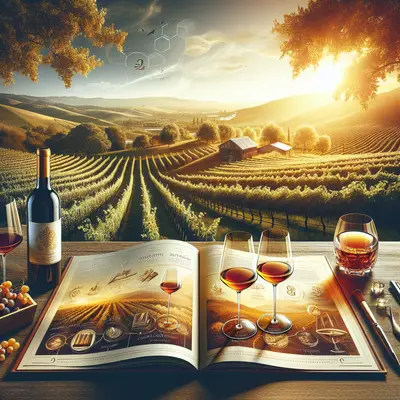
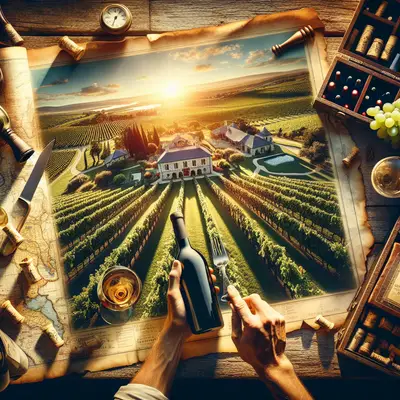
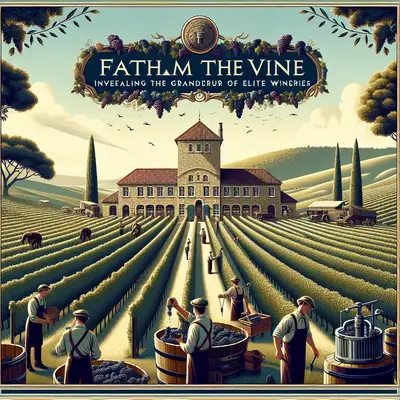
Premium wineries are not defined by their architecture or their labels, but by the way they think about land. The most serious estates rarely plant every available slope; they curate. Certain parcels are intentionally left unplanted, serving as visual and climatic buffers that protect the character of neighboring vines. When you visit, notice where the vineyards stop: the transition from vine to woodland, grassland, or natural scrub often tells you exactly how deliberately the site has been shaped.
Look, too, at row orientation and density. High-end producers may plant tighter rows not for show, but to induce competition among vines, forcing deeper roots and more complex fruit. A carefully chosen aspect—slopes catching the soft shoulder of the morning sun rather than the harsh glare of late afternoon—signals a winery that values nuance over volume. Ask which blocks go into their flagship wine and which are reserved for experimental or micro-cuvées; their answer will reveal how rigorously they grade their own land. In the most thoughtful properties, the vineyard feels less like a farm and more like a tailored suit: nothing wasted, everything purposeful.
Time as a Luxury Material: How Premium Wineries Stretch the Clock
In truly elevated wineries, time is not just an aging metric; it is a design principle. From the moment of harvest, decisions are made to slow the process wherever it benefits the wine. Grapes may be picked in the coolest hours before dawn, not merely to preserve freshness, but to avoid thermal stress that could hurry fermentations. Cold soaks, extended macerations, and deliberately measured fermentations are timed not to hit market windows, but to suit the personality of each parcel and variety.
Barrel aging at this level is almost never a fixed schedule. Instead, the winemaker tastes through dozens or hundreds of barrels, allowing some wines to linger for months longer than others, then resting in bottle until structure and texture align. When you tour such a property, pay attention to how they speak about release dates. Phrases like “when the wine is ready” are not clichés here; they refer to a tasting calendar that may span years and involves blending trials, comparative blind tastings, and countless small refinements. The luxury you feel in the glass is, above all, the taste of time that has not been rushed.
The Invisible Craft: Barrel Choices, Oak Forests, and Toast Profiles
At premium wineries, the cellar is as much a library as a workshop, and the barrels on display are volumes in a carefully curated collection. The finest estates rarely work with a single cooper; instead, they maintain relationships with multiple coopers, each chosen for a particular grain tightness, seasoning duration, and toast profile. This is not marketing language—it is a sensory toolkit. Tight-grain oak from specific French forests, for example, can contribute structure and aromatic subtlety rather than overt vanilla or toast.
The most meticulous winemakers use barrel trials as a form of R&D. The same wine, split among different barrels, might yield variations in texture so precise that only a trained taster would detect them. Yet these differences shape the eventual blend. During a visit, notice whether the estate discusses which forests their barrels are sourced from, how long the wood is air-dried, and how much new oak is used. A thoughtful answer, with attention to restraint rather than excess, is a hallmark of a winery that treats oak as a frame, not a disguise. For seasoned enthusiasts, an invitation to taste the same cuvée from different barrels is a rare window into the cellar’s most guarded decisions.
Hospitality as Curation: How Premium Wineries Design Your Experience
In the world of premium wineries, hospitality is less about opulence and more about choreography. The most memorable estates build their experiences as narratives, guiding you from vineyard to cellar to glass with an internal logic that deepens understanding at each step. Instead of offering a long list of wines, they may present fewer, more focused flights, each anchored by a theme: elevation, soil type, vintage variation, or barrel regime. This editorial approach signals confidence and intent.
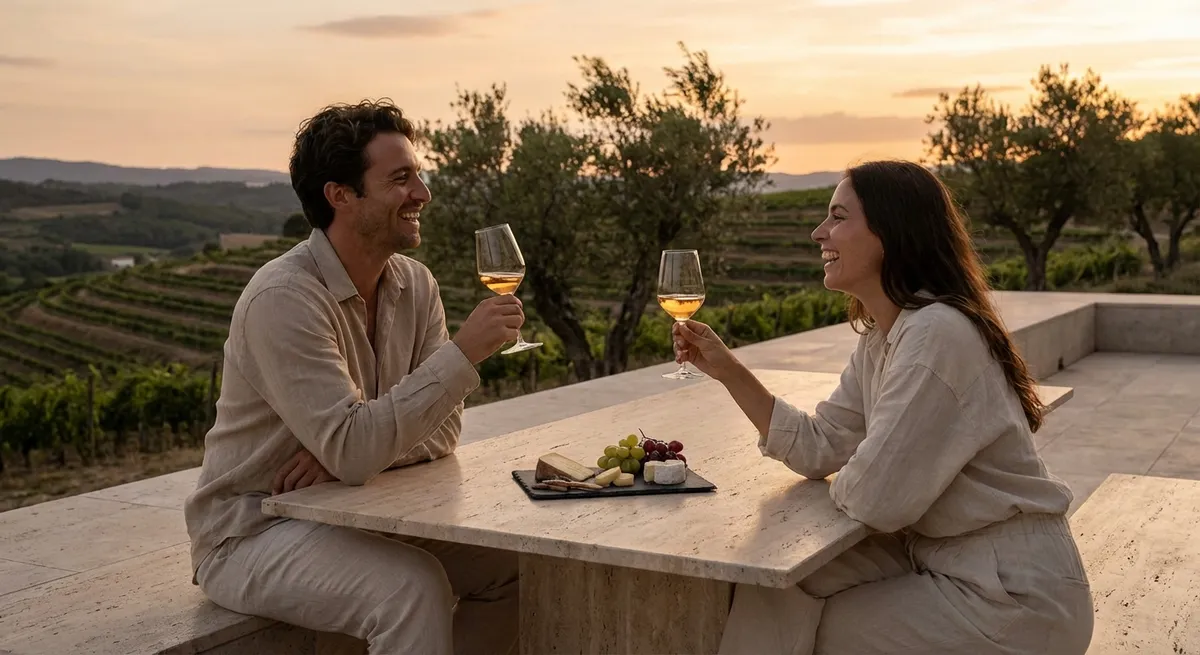
Pay close attention to pacing and setting. A thoughtfully designed tasting may begin outdoors among the vines, shift to a quiet barrel room for structured wines, and conclude in a tasting salon flooded with natural light for whites or sparkling wines. Glassware is rarely generic; bowl shape, rim design, and volume are deliberately matched to the wines being poured. At the highest levels, the host’s language echoes that of the winemaking team—precise, restrained, and anchored in the realities of vineyard and cellar rather than vague adjectives. The result is a visit that feels less like a tour and more like a private tutorial, carefully calibrated to your level of knowledge.
Five Exclusive Insights for the Attentive Enthusiast
Beyond polished façades and celebrated labels, there are subtler signals that distinguish a genuinely premium winery. For travelers who wish to see behind the surface, these insights can transform a pleasant stop into a masterclass:
Library Wines Reveal Philosophy, Not Just Age
Access to older vintages is a privilege, but the real insight lies in how they have aged. Taste a mature bottle alongside the current release, and observe whether the house style values freshness, evolution, or an interplay of both. A winery proud of its trajectory, not just its present, will speak with conviction about how its wines move through time.
Single-Parcel Bottlings as a Window Into the Vineyard
While blends often define a flagship wine, limited single-parcel or single-vineyard releases expose the estate’s inner thinking. These bottlings reveal which blocks they consider expressive enough to stand alone and how micro-variations in soil, exposure, or vine age manifest in the glass. Ask why a specific parcel merited its own label; the answer is a lesson in terroir hierarchy.
Textural Detail as the True Marker of Quality
Beyond aroma and flavor, focus on how the wine feels. Fine-grained tannins, layered mid-palate weight, and a finish that lengthens quietly rather than theatrically are signs of meticulous extraction and élevage. In elevated wineries, winemakers often talk about “silk,” “powder,” or “chalk” when describing texture—these are shorthand for a lifetime of small technical decisions.
Precision in Aromatic Cleanliness, Not Over-Polishing
A premium winery tends to be uncompromising about wine cleanliness, yet not at the expense of character. The wines should feel pure—free of distracting faults—while still transmitting earth, stone, herb, or floral notes that speak of place. Subtle reductive tones or savory notes may appear, but they are integrated, never dominant. This balance between polish and authenticity is far harder to achieve than either extreme.
Coherence Across the Range as the Quiet Signature
Taste broadly, not just the top cuvée. When entry-level and flagship wines share a recognizable thread—texture, acidity profile, aromatic lift, or structural cadence—you are in the presence of a true house style. Coherence across price points indicates that every block of fruit, every barrel, receives considered attention. That internal harmony is one of the most underappreciated hallmarks of a serious estate.
Conclusion
Premium wineries do not announce themselves with spectacle alone; they reveal their nature in the way they handle land, time, wood, hospitality, and the tiniest textural detail in the glass. For the attuned traveler, these elements turn a simple winery visit into an intimate conversation with a place and its people. As you plan your next journey with Wine Tour Adventures, look beyond famous names to the quieter signals of excellence: the unplanted hillside, the patient release schedule, the restrained use of oak, the curated tasting path, and the quiet coherence that runs through every bottle. In those details lies the true luxury of the vine.
Sources
- Wine Institute – California Winegrowing & Terroir – Overview of how site, climate, and vineyard choices shape premium wine quality.
- UC Davis Department of Viticulture and Enology – Technical resources on winemaking practices, barrel use, and aging that underpin many high-end cellar decisions.
- Bureau Interprofessionnel des Vins de Bourgogne (BIVB) – Detailed discussion of parcel selection, terroir expression, and elevage in one of the world’s benchmark premium regions.
- Decanter – How to Tell if a Wine Will Age – Insights into structure, balance, and cellar potential, relevant to understanding library wines at top estates.
- Court of Master Sommeliers Americas – Tasting Standards – Framework for evaluating texture, balance, and finish, echoing the sensory focus of serious premium wineries.
Key Takeaway
The most important thing to remember from this article is that this information can change how you think about Premium Wineries.