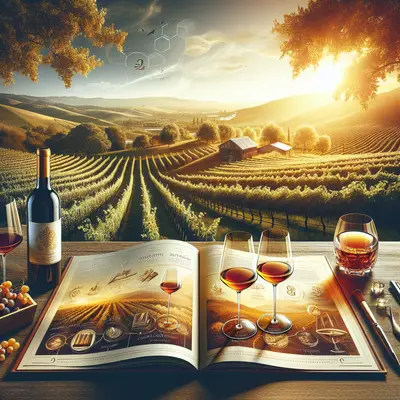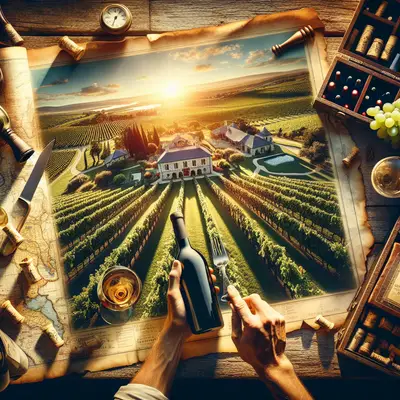
There is a moment in every serious wine lover’s journey when the metric shifts. The focus moves from “Which bottle?” to “Which place?”—from labels to landscapes, from tasting notes to the quiet choreography behind them. Premium wineries are not merely destinations; they are meticulously composed experiences, where architecture, viticulture, and hospitality are orchestrated to express a singular point of view. For the traveler who seeks depth rather than display, these properties reward close attention with layers of nuance that linger long after the final pour.
Redefining Luxury: From Opulence to Precision
The most compelling premium wineries have quietly stepped away from ostentatious luxury toward a more restrained, intellectual form of indulgence. Marble foyers and towering fountains have given way to low-slung, landscape-sensitive architecture and estates that whisper rather than shout. Here, luxury is defined by precision: the precision of canopy management in the vineyard, the exacting control of cellar temperature, the tailored pacing of a private tasting that never feels rushed yet never drags.
At this level, every element is purposeful. Lighting is set to reveal color and clarity without glare. Glassware is curated not for show, but for the way it shapes aromatics and texture. The most premium wineries are obsessed with transitions—the walk from vineyard to cellar, the movement from barrel room cool to tasting salon warmth—so that guests experience the estate as a narrative rather than a sequence of stops. The result is a form of luxury that feels deeply considered, quiet, and enduring.
The Architecture of a Glass: How Place Shapes Experience
A defining feature of top-tier wineries is the way their architecture calibrates how you taste. Cellar doors and hospitality spaces are not mere backdrops; they are instruments engineered to tune your senses. Many estates now commission contemporary, minimalist designs that frame the surrounding vines like works of art, using glass, stone, and wood to blur the boundary between indoors and outdoors.
Temperature-controlled tasting rooms preserve the integrity of the wines while offering comfort, often with subtle airflow that prevents aromatics from stagnating. Natural light is carefully moderated to avoid heating the glass while revealing the wine’s hue and viscosity. Acoustics are surprisingly central: premium estates often soften echo and ambient noise so that conversations feel intimate and the small sounds of swirling, pouring, and tasting become part of a serene ritual rather than a crowded barroom blur. In this context, the glass in your hand feels inseparable from the building around you.
Five Exclusive Insights for the Attentive Wine Enthusiast
Seasoned travelers to premium wineries quickly notice that the most rewarding details are rarely advertised. For those who want to go beyond the brochure, these five insights can transform an already polished visit into a genuinely exceptional experience.
1. Vineyard Walks Reveal More Than Tasting Notes
A guided vineyard walk with a viticulturist or winemaker often tells you more about a wine than any technical sheet. Pay attention to soil transitions underfoot, changes in slope, and where the breeze seems to linger. In cooler-climate estates, you may see denser canopies and slightly later ripening zones; in warmer regions, look for precise canopy trimming to protect fruit from excessive sun. Asking to see contrasting parcels—older vines versus younger, different exposures, or varied soil profiles—lets you map the estate’s flagship wines against the land itself. Premium estates are proud of this; they welcome guests who care enough to look beyond the cellar door.
2. Barrel Rooms Are Quiet Laboratories of Style
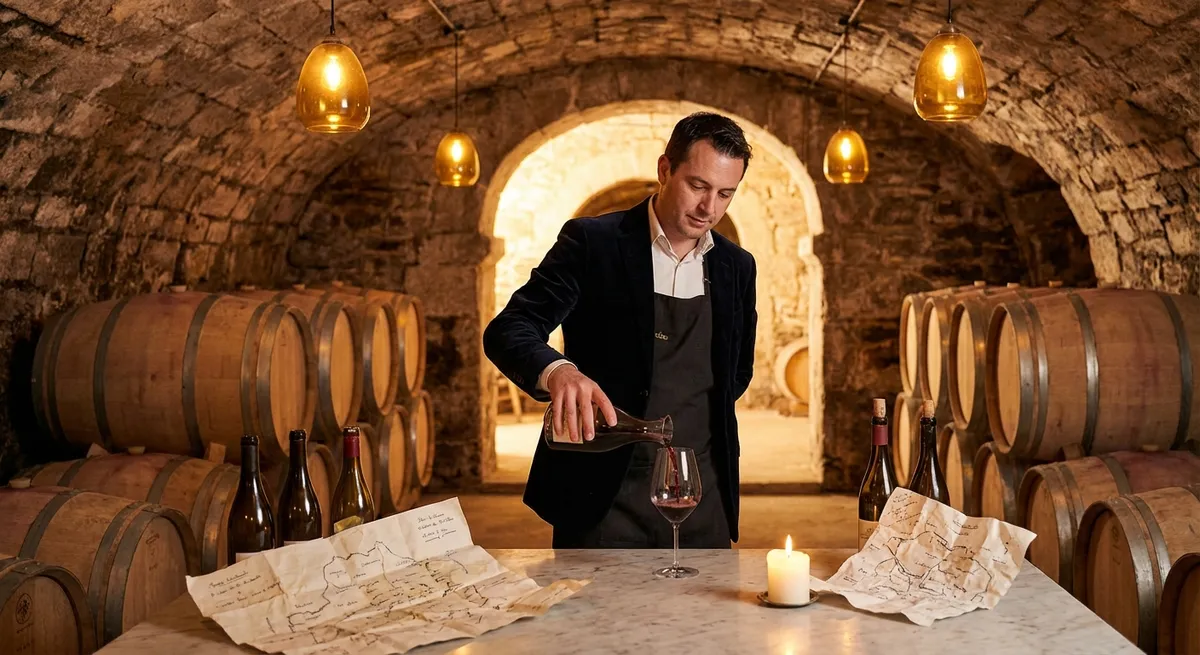
Not all barrel rooms are created equal, and in premium wineries, they are deliberate expressions of house philosophy. Look closely at the proportion of new oak versus older barrels, the diversity of coopers and barrel sizes, and whether you spot concrete eggs, amphorae, or large-format foudres alongside traditional barriques. These choices reveal how the estate thinks about texture, aromatic lift, and longevity. If you’re offered a barrel sample, ask which parcel it comes from and how the team envisions its role in the final blend. You’re not just tasting unfinished wine—you’re glimpsing the estate’s decision-making in real time.
3. The Most Valuable Pour May Not Be the Rarest
In many premium tasting flights, the most limited or expensive wine is not necessarily the most revealing. Pay particular attention to the estate’s “bridge” wines—often second labels, single-vineyard bottlings just below the flagship, or regionally expressive blends. These wines frequently showcase the same craftsmanship as the top cuvées but with a slightly more generous or immediate profile. They can be where the estate articulates its philosophy most clearly: how it balances ripeness and acidity, oak and fruit, structure and finesse. Ask which wine the winemaking team drinks at home; their answer is often surprisingly modest—and insightful.
4. Service at the Top Level Is a Form of Storytelling
Premium winery hospitality has evolved into a subtle art form. The finest hosts tailor their narrative to your level of knowledge, neither overwhelming a novice nor oversimplifying for a seasoned collector. Watch for the way they sequence the wines—moving from lighter to more structured, younger to older, or by vineyard altitude or soil type. These decisions quietly train your palate to notice progression and contrast. A gifted host will remember the descriptors you respond to and weave them back into later pours, creating a sense of continuity. At this level, service is not about prestige; it is about reading the room with almost sommelier-like instinct.
5. Library Tastings Are Time Travel in a Glass
Many premium estates maintain library collections that are rarely promoted to the general public. If you’re deeply interested in a producer, inquire discreetly about older vintages, vertical tastings, or curated “time capsule” flights. Tasting the same cuvée across multiple vintages reveals how climate variation, evolving winemaking choices, and vine age influence the final wine. In truly great cellars, maturity doesn’t merely soften tannins—it uncovers additional layers of aroma (truffle, tobacco, dried flowers, exotic spices) and an almost architectural sense of structure. These experiences are where a producer’s claim to age-worthiness is either confirmed or quietly disproven.
Crafting an Itinerary Around Quiet Excellence
Planning a premium winery itinerary is less about maximizing the number of stops and more about curating depth. Two or three thoughtfully chosen visits in a day allow time for vineyard walks, cellar tours, and focused tastings without fatigue. Consider pairing contrasting estates—an icon with generations of history alongside a rising, design-forward property; a producer known for rigorously structured reds with a neighbor specializing in mineral-driven whites.
Advance reservations are essential, not only for access but for personalization. When you book, share your interests: particular grape varieties, an enthusiasm for certain regions, or a desire to compare vintages. Many estates can tailor flights and even adjust pacing to align with your preferences. For those building collections, private appointments early in the day—when the palate is freshest—can be especially revealing. A well-designed itinerary leaves space for reflection: the most memorable insights often arrive not in the barrel room, but over a quiet late-afternoon glass when the day’s impressions begin to settle.
Conclusion
To step into a truly premium winery is to enter a world where every detail is in dialogue: vineyard rows with cellar choices, architecture with service, time with terroir. For the discerning traveler, these estates offer more than polished hospitality; they invite you into an ongoing conversation about place, patience, and precision. By seeking out the nuances—on the vineyard path, in the barrel room, through library vintages and carefully guided tastings—you move beyond the role of visitor and into that of a thoughtful participant in the estate’s story. In this realm, the rarest luxury is not what you drink, but how deeply you experience where it comes from.
Sources
- Wine Institute – California Wine Country Visits – Overview of visiting practices and tasting experiences in California’s premium wine regions
- Napa Valley Vintners – Winery Visitor Resources – Guidance on appointments, tastings, and expectations at high-end Napa wineries
- Institute of Masters of Wine – The Role of Oak in Winemaking – Technical insight into barrel choices and their impact on style and structure
- Wine & Spirit Education Trust (WSET) – How Wine Is Made – Educational breakdown of viticulture and winemaking steps referenced in vineyard and cellar discussions
- UC Davis Department of Viticulture and Enology – Research-based information on vineyard management, winery design, and sensory evaluation practices
Key Takeaway
The most important thing to remember from this article is that this information can change how you think about Premium Wineries.