The most memorable vineyard visits rarely announce themselves with spectacle. They unfold in quiet passages: the crunch of gravel underfoot at first light, the subtle chill of a barrel room, the way a single row of vines can tell a story of soil, season, and stewardship. For the discerning traveler, a vineyard is not a backdrop for photographs but a living, breathing atelier of taste. This guide is crafted for those who seek not only beautiful landscapes, but also a deeper understanding of what truly elevates a visit from pleasant to profound—five exclusive insights that transform you from visitor to informed confidant among the vines.
Reading a Vineyard Like a Sommelier Reads a Wine List
To the trained eye, a vineyard can be “read” long before a cork is pulled. The spacing of the vines, the height of the canopy, the orientation of the rows, and even the ground cover between them are all clues to the estate’s philosophy.
Vines planted tightly together in cooler climates often suggest a pursuit of concentration and tension in the wines; in warmer regions, wider spacing may reveal a strategy to balance vigor and ripeness. Row orientation—often north–south—can indicate meticulous light management, reducing sunburn on grapes and preserving aromatic nuance. The presence of cover crops, such as clover or native grasses, is more than aesthetic: they regulate soil health, water retention, biodiversity, and even influence the microclimate around each vine.
As you walk, notice the pruning style: short, neatly balanced spur pruning can suggest an emphasis on low yields and quality; more sprawling trellising may highlight a grape variety that benefits from generous leaf coverage. These are not mere technicalities—they are brushstrokes in the final flavor profile of the wine in your glass.
The Quiet Magic of Timing Your Visit
When you visit can be as consequential as where you visit. A vineyard in high summer feels different from one shrouded in the early autumn mist, and seasoned wine travelers shape their itineraries around the subtleties of the calendar and the clock.
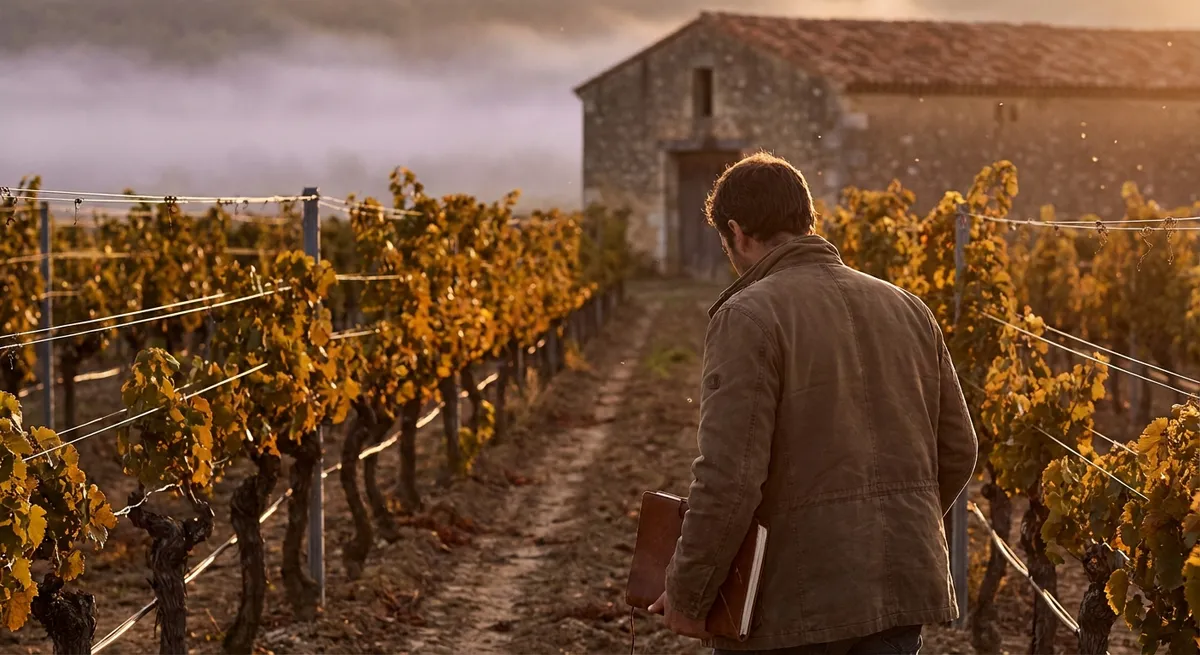
Arriving early in the day often reveals the estate at its most authentic: cellar doors just opening, staff focused rather than rushed, and the air still holding the night’s coolness that winemakers cherish. Morning tastings also help your palate discern fine details before fatigue sets in. By contrast, a late-afternoon visit may reward you with the golden light that photographers and vintners alike revere, ideal for appreciating the contours of the landscape and the color of the vines.
Seasonally, pre-harvest visits offer palpable anticipation—sampling grapes on the vine, sensing the tension between ripeness and restraint. Visiting after harvest can reveal the inner workings of fermentation, barrel filling, and blending, when the cellar becomes the estate’s true theater. The most refined experiences often come from aligning your visit with these intimate, work-driven moments rather than with peak tourism hours.
Beyond the Tasting Room: Five Exclusive Insights for the Attuned Visitor
A truly elevated vineyard visit lies in the unspoken details. These five insights, often overlooked, are what seasoned enthusiasts quietly rely on to distinguish a good estate from a great one.
Glassware and Serving Rituals Reveal the Estate’s Standards
Observe the glassware first. Fine, thin-stemmed glasses designed for varietal expression show that the estate is as serious about presentation as production. Temperature and pour size also matter: wines tasted slightly cool with modest pours are a sign of respect for both wine and guest, allowing space for evolution in the glass.
Barrel Room Nuance Tells You More Than the Tour Script
In the barrel cellar, notice the diversity of coopers (barrel makers), toast levels, and barrel ages. A mix of new and older oak, different French or European cooperages, and clearly labeled barrels (vintage, parcel, clone) suggest an estate that crafts texture and aroma with intention, rather than leaning on a single, overpowering oak signature.
Parcel-Based Tastings Are the True Insider’s Privilege
If offered, never decline the chance to taste from specific plots or single parcels. Sampling wines from distinct blocks within the same vineyard is akin to seeing the vineyard’s fingerprint in high resolution. This is where the language of terroir becomes concrete: subtle shifts in soil, elevation, or exposure expressed as variations in structure, perfume, and finish.
The Estate’s Library Wines Speak of Patience and Ambition
Ask—discreetly—about library releases or older vintages. Estates that cellar and periodically release mature bottles demonstrate a long-term vision and confidence in their wines’ ability to evolve. Tasting a wine with a decade or more of age reveals not only its longevity but also the underlying discipline in vineyard and cellar.
The Vineyard Team’s Vocabulary Signals Depth of Craft
The words used by vineyard managers and winemakers are telling. Listen for conversation about soil microbiology, canopy balance, phenolic ripeness, and biodiversity rather than only yield and alcohol. When the team speaks fluently about restraint, tension, and balance, you’re likely in the hands of people crafting wines for complexity, not mere impact.
Curating Your Own Elevated Vineyard Experience
Transforming a visit into an enduring memory requires a touch of curation. Begin by aligning your personal preferences—varietals you love, stylistic leanings, appetite for experimentation—with the region and estates you choose. Seek out wineries that limit visitor numbers, offer seated tastings, or host in-depth estate tours with a winemaker or viticulturist; these formats foster genuine dialogue instead of scripted monologues.
Prepare a concise list of thoughtful questions that extend beyond “What grapes do you grow?” You might ask how the estate adapted to a challenging vintage, what role native yeasts play in their fermentations, or how climate change is influencing their decisions in the vineyard. Such questions invite more candid answers and often open doors to impromptu barrel samples or off-list wines.
Finally, document selectively. Take a photograph not only of the glass but of the particular row, the soil underfoot, the slope that shaped the wine’s acidity. Jot down sensory impressions—texture, length, evolution in the glass—rather than just flavor notes. Over time, these fragments form a personal atlas of experiences, allowing you to trace your own journey from casual visitor to informed connoisseur.
Conclusion
A vineyard visit at its finest is not a checklist of tastings but a dialogue—between you, the landscape, and the people who translate that landscape into liquid form. By learning to read the vines, choosing your moment with intention, attending to the quiet details of cellar and glass, and engaging with depth and curiosity, you enter a more privileged realm of experience. The reward is not merely a memorable bottle to take home, but a more nuanced understanding of why that bottle matters, and how each sip carries the character of the place where you once stood among the rows, listening.
Sources
- [University of California, Davis – Viticulture and Enology](https://wineserver.ucdavis.edu/industry-info/enology/viticulture) - Technical insights into vineyard practices, vine spacing, canopy management, and their impact on wine quality
- [Cornell University – Terroir and the Importance of Place in Wine](https://grapesandwine.cals.cornell.edu/newsletters/appellation-cornell/2013-newsletters/issue-19/terroir-and-importance-place-wine/) - In-depth discussion of terroir, parcel differences, and vineyard expression
- [Napa Valley Vintners – Barrel Aging and Cooperage](https://napavintners.com/napa_valley/barrel_aging.asp) - Overview of how barrel selection, toast level, and age influence wine style and structure
- [Wine Institute – California Sustainable Winegrowing](https://www.wineinstitute.org/our-work/our-commitment-to-sustainability) - Credible resource on cover crops, biodiversity, and sustainable vineyard practices
- [Decanter – How Wine Ages and Why It Matters](https://www.decanter.com/learn/how-wine-ages-why-it-matters-485204/) - Explores aging potential, library wines, and what mature bottles reveal about winemaking decisions
Key Takeaway
The most important thing to remember from this article is that this information can change how you think about Vineyard Visits.