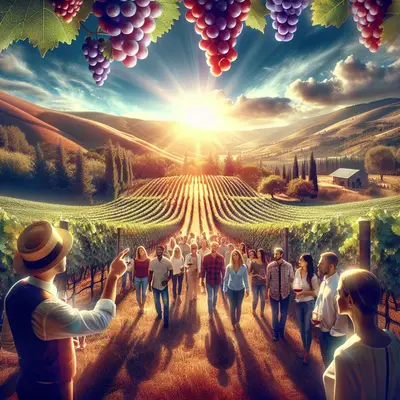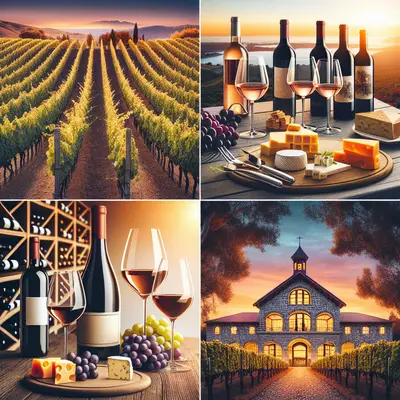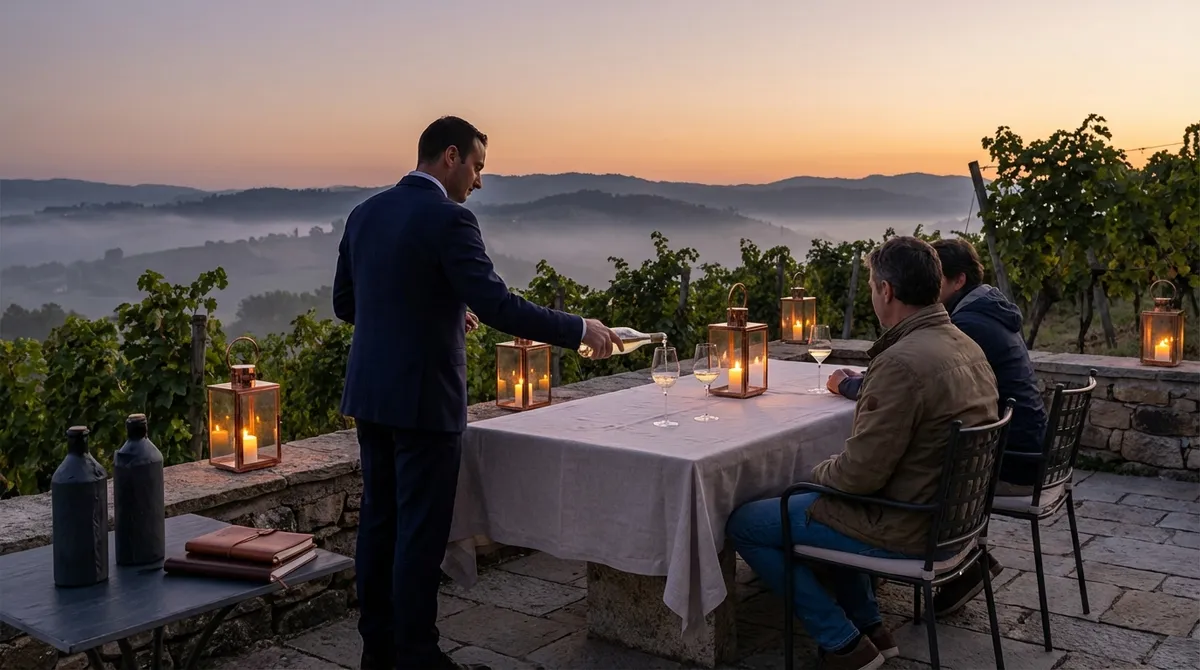
Wine touring, at its finest, feels less like travel and more like entering a series of meticulously crafted private worlds. Behind each wrought-iron gate and down every sun‑drenched row of vines lie decisions about soil, time, and human patience that rarely reach the tasting bar. For those who wish to move beyond the postcard version of wine country, the true luxury is access—to people, processes, and moments that reveal why a bottle is far more than its label. This guide curates five exclusive insights to help discerning enthusiasts experience wine tours with greater depth, intention, and quiet privilege.
The Architecture of a Vineyard Day: Reading the Rhythm, Not the Brochure
Every estate, whether centuries-old or newly conceived, operates on a cadence shaped by weather, harvest cycles, and cellar work. Understanding this rhythm is the difference between a pleasant visit and a profoundly memorable one.
Rather than stacking tastings back to back, consider designing your day around the natural tempo of the region: early light for walking vineyards in cooler air, late morning for cellar tours when teams are most present, a languid afternoon seated tasting, and a final visit where the focus is on conversation rather than quantity. Ask in advance how the estate prefers to host serious enthusiasts; elite properties often quietly reserve their most attentive experiences for those who signal genuine curiosity, not just consumption.
Timing your visit to phases of the year adds nuance. During harvest, expect more energy and fewer niceties; in late winter, cellar tastings can feel almost monastic, with barrels in repose and winemakers more available to talk. When you plan around the estate’s reality rather than your own checklist, you begin to experience wine country as its residents do—through its cycles, not its slogans.
Beyond the Tasting Bar: The Private Language of the Cellar
For those passionate about wine, the most valuable square meters on any property are below ground. The cellar is where decisions about texture, aging potential, and personality are made, often years before a bottle reaches the world.
Seek experiences that move past the standard flight and into the working heart of the winery. Barrel tasting, when thoughtfully curated, is not about novelty; it is a living conversation with a wine still finding its voice. Ask to taste the same wine aged in different coopers’ barrels, or from varying levels of toasting, to understand how subtle shifts in oak can sculpt tannin and aromatics. In gravity‑flow cellars, observe how architecture is used to gently guide must and wine, preserving delicacy and avoiding mechanical aggression.
Do not hesitate to inquire, with sophistication, about fermentations: Are indigenous yeasts used, or selected strains? Are concrete, amphorae, or large neutral casks employed for specific parcels? These questions, asked with genuine interest and not as a test, will often unlock deeper dialogue, and occasionally, an impromptu pour from a “hidden” barrel destined only for club members or the family’s private stock.
Vineyard Intimacy: Walking the Rows With Intent
Many visitors photograph vines as scenery. The serious enthusiast understands them as the central text of the estate’s philosophy. A few steps among the rows, done attentively, reveal more about a wine than a polished tasting note ever could.
Observe spacing and training systems: high‑density plantings, low yields, and carefully managed canopies often signal a producer willing to sacrifice volume for concentration. Run a hand through the soil—chalk, clay, stones, volcanic ash—and note how temperature and texture vary; these differences underpin the structure and minerality that will later appear in the glass. Look closely at the vigor of the vines, the presence of cover crops, and the biodiversity at the margins; these quiet details speak to farming practices, from conventional to organic to fully regenerative.
An elevated experience is to arrange, well in advance, a dedicated vineyard walk with the viticulturist or estate manager rather than solely the hospitality team. Ask which parcels they consider the soul of the property and why. When you later taste wines from those blocks, the memory of that soil, that slope, that wind will lend an almost tactile dimension to each sip.
The Art of the Comparative Flight: Tasting Like a Curator
A premium wine tour is not merely a sequence of glasses; it is a curated narrative. The most rewarding tastings are comparative by design, revealing nuance through contrast and continuity.
Request focused flights when possible: same variety, different parcels; same vineyard, different vintages; or identical wine aged under varying regimes. Vertical tastings, even over only three or four years, allow you to witness how a wine’s architecture evolves—where fruit recedes, tertiary notes emerge, and structure either unfurls gracefully or collapses. Pay close attention to mid‑palate presence and finish length; these are often better indicators of pedigree than immediate aromatic intensity.
Bring a discreet notebook—or use a restrained digital note method—and develop a personal vocabulary centered on texture (silken, chalky, filament‑fine tannins), energy (nervy, linear, expansive), and time (how the wine changes over minutes in the glass). This is not about scoring bottles, but about tracing patterns across the estate’s range. When you taste this way, you transform from guest to informed interlocutor, and the conversation with the host—often including the winemaker—naturally deepens.
Cultivated Access: Building Relationships That Outlast the Visit
In the upper tiers of wine, privilege is rarely advertised; it is recognized. The most rewarding access—to library vintages, micro‑cuvées, invite‑only events, and behind‑the‑scenes experiences—often emerges from relationships cultivated over years with patience and sincerity.
Approach each visit as the beginning of a dialogue, not a transactional stop. Purchase fewer bottles of higher importance, focusing on wines that truly resonated. Follow the estate’s releases, vintages, and news; a brief, thoughtful note months later referencing a recent review or vintage update shows that your interest extends beyond your suitcase allowance. When appropriate, share where you opened a special bottle and with whom—serious producers appreciate knowing their work is part of meaningful moments.
Memberships, private allocations, and en primeur offerings are tools, not trophies. Used thoughtfully, they allow you to follow a wine’s life from first release to mature expression. Over time, this continuity transforms future visits: doors open to older vintages, experimental lots, and candid conversations about challenges and triumphs in the vineyard. The true luxury of wine tourism, ultimately, is not the most ornate tasting room, but a sense of belonging within a producer’s ongoing story.
Conclusion
A refined wine tour is not defined by how many wineries you visit, but by how deeply you engage with a select few. By honoring the estate’s rhythm, stepping into the cellar as an attentive guest, treating the vineyard as a living library, tasting with curatorial intent, and nurturing long‑term relationships, you elevate each journey into something quietly exceptional. The reward is not only in the bottles you bring home, but in the layered understanding that makes every future glass more resonant, more personal, and more profoundly memorable.
Sources
- [Wine Institute – California Wine Country Visitor Guide](https://wineinstitute.org/our-industry/visitors/) – Overview of visiting practices, regional context, and winery hospitality standards in a major wine region.
- [Institute of Masters of Wine – Understanding Terroir](https://www.mastersofwine.org/what-is-terroir) – In‑depth discussion of terroir and vineyard factors that influence wine character.
- [UC Davis Department of Viticulture & Enology](https://wineserver.ucdavis.edu/industry-info/enology) – Technical resources explaining cellar practices, fermentation choices, and aging vessels used by quality‑focused producers.
- [OIV (International Organisation of Vine and Wine)](https://www.oiv.int/en) – International reference for viticultural and oenological standards, with reports on global best practices.
- [Decanter – How to Taste Wine Like a Pro](https://www.decanter.com/learn/how-to-taste-wine-948/) – Professional guidance on structured tasting and comparative flights, relevant to crafting elevated winery experiences.
Key Takeaway
The most important thing to remember from this article is that this information can change how you think about Wine Tours.