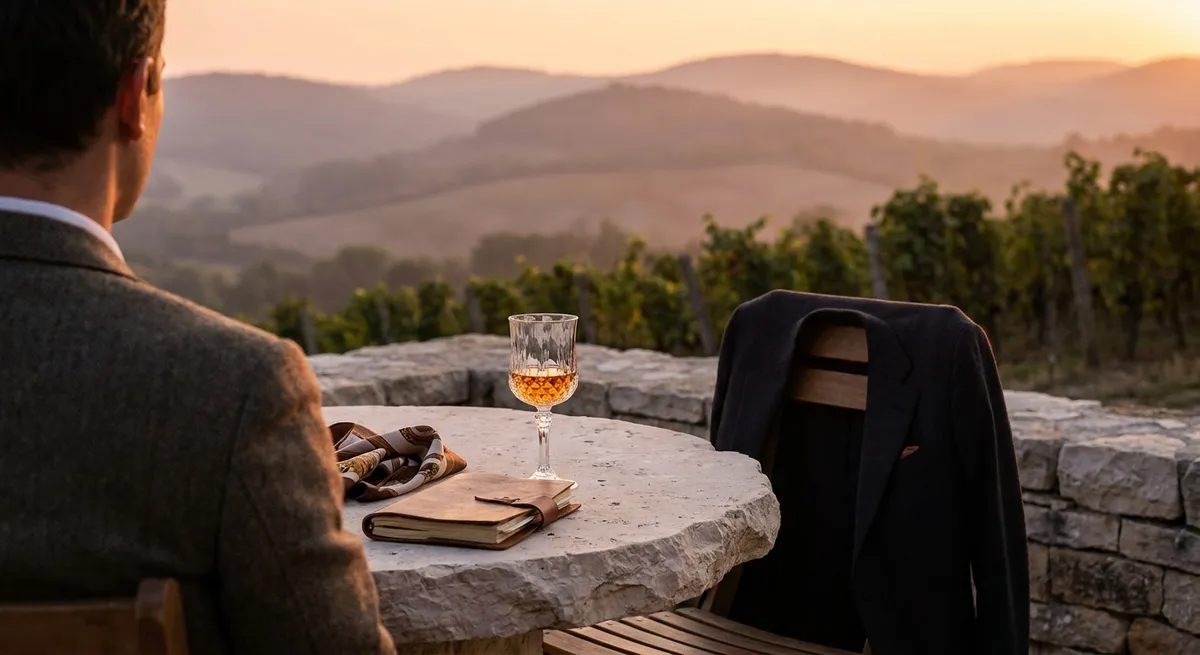
There is a particular stillness in a well-tended vineyard—an almost orchestral quiet in which every detail, from the angle of the trellis wire to the cadence of the breeze, feels intentional. For the discerning traveler, a vineyard visit is no longer a casual stop for a quick pour; it is a curated immersion into craft, culture, and place. When approached with care, these visits become less like tours and more like private salons of taste and terroir, where time slows and nuance takes center stage.
Reframing the Vineyard: From Destination to Dialogue
The most memorable vineyard experiences begin before you arrive at the tasting room door. Rather than treating the visit as a static destination, consider it a conversation—between you and the land, the winemaker, and the history that shaped the region.
Researching the estate’s philosophy beforehand—whether it emphasizes minimal intervention, regenerative agriculture, or heritage clones—allows you to ask questions that move beyond “What’s in this blend?” to “Why was this vineyard block treated differently from the one next to it?” This shift from passive consumption to active engagement immediately refines the experience.
Requesting a vineyard walk, even a brief one, enhances this dialogue. Observing vine spacing, canopy height, and soil composition underfoot gives context to the glass that no tasting note can replicate. When you later swirl a Chardonnay that was grown on calcareous soil or a Cabernet from a rocky hillside parcel, the wine ceases to be an abstraction; it becomes a tangible expression of a place you have just walked through.
The Five Exclusive Insights That Quietly Transform Your Visit
Beyond the obvious pleasures of polished tasting rooms and panoramic views, there are subtler dimensions that seasoned wine enthusiasts quietly seek. These five insights can turn a pleasant afternoon into an experience that lingers long after the last glass.
1. Decoding the Vineyard’s Architecture
Vineyards are not planted at random; they are meticulously designed. Pay close attention to the “architecture” of the vines:
- Row orientation reveals how the estate manages sun exposure, heat, and ripeness. North–south rows create different ripening dynamics from east–west alignments.
- Vine density and spacing speak to stylistic intent. Tighter spacing often suggests a pursuit of concentration and competition-driven root depth, while wider spacing can signal a focus on power or machine accessibility.
- Trellising choices—from vertical shoot positioning to goblet (bush) training—show how the estate balances shade, airflow, and ripeness.
Instead of simply admiring the landscape, ask your host how decisions around row direction, trellis design, and planting density influence the texture and structure of the wines you are tasting. This architectural lens allows you to read the vineyard as a deliberate design rather than a picturesque backdrop.
2. Reading the Cellar’s Tempo, Not Just Its Technology
Cellars can be seductively theatrical—rows of barrels, gleaming tanks, hushed lighting. Yet the true story lies in tempo rather than equipment. A sophisticated visitor listens for rhythm:
- Are fermentations conducted in small, separate lots, or blended early for consistency?
- Do they favor slower, cooler fermentations for whites to safeguard aromatics, or allow warmer ferments to highlight texture?
- How long do wines rest on lees, and are those lees stirred gently or left undisturbed?
Ask not only what vessels are used—oak, concrete, amphora—but why those vessels suit particular varietals or parcels. The maturity of a winery’s choices is often revealed less by the presence of cutting-edge technology and more by its restraint: the decision to do just enough, but never too much.
3. Seeking the “Quiet Wines” in the Lineup
Every thoughtful estate has its headline performers—the flagship Cabernet, the much-hyped Pinot Noir, the coveted sparkling release. Yet seasoned enthusiasts often find the most insight in the quiet wines: the varietal that flies under the radar, the single-vineyard bottling made in small volume, or the experimental cuvée available only at the estate.
These wines frequently represent the winemaker’s personal curiosities and are less constrained by market expectations. Tasting them alongside the core range:
- Reveals how the estate interprets subtle shifts in terroir or clone selection.
- Demonstrates how a house style adapts across different grape varieties.
- Offers a more intimate glimpse into the winemaker’s palate and creative instincts.
An understated Chenin Blanc from a red-wine-focused estate, or a field blend that never leaves the cellar door, can tell you more about the soul of a winery than its most publicized label.
4. Observing Service as a Window into the Estate’s Culture
Glassware, pacing, and language used during your tasting quietly articulate the winery’s values. In a premium context, service should feel choreographed yet unforced:
- Glass shapes vary thoughtfully with wine style, not just price tier.
- Pours are calibrated to encourage contemplation rather than haste.
- Descriptions of the wines emphasize place, process, and intent more than generic adjectives.
Notice how your host handles questions: do they welcome deeper inquiry into viticulture, sustainability, or blending decisions, or default to rehearsed scripts? A team that engages fluently with detailed questions usually reflects a culture of internal education and pride in craft. This, in turn, is often mirrored in the precision of what’s in the glass.
5. Attuning to the Vintage Story, Not Just the Varietal
Most visitors focus on grape varieties—Cabernet vs. Merlot, Chardonnay vs. Sauvignon Blanc. The more refined lens is vintage. Within a single winery’s lineup, tasting multiple vintages side by side (where possible) can be revelatory:
- A cooler year may emphasize acidity, aromatic delicacy, and restrained alcohol.
- A warmer year may yield richer textures, riper fruit profiles, and more generous tannins.
- Transitional years—marked by drought, unusual rainfall, or heat spikes—often produce the most intellectually compelling wines.
If a vertical tasting is on offer, seize the opportunity. If not, ask your host to describe recent vintage conditions and how they adapted their approach in the vineyard and cellar. Understanding how an estate responds to the challenges and character of each year elevates your appreciation beyond “house style” to a more nuanced reading of time and climate.
Curating Your Own Premium Experience
A vineyard visit worthy of memory benefits from subtle planning. Booking visits with enough time between them prevents your palate from fatigue and allows you to truly inhabit each place. Opt for fewer wineries with deeper engagement rather than a crowded itinerary that blurs into sameness.
Consider arranging:
- Private or semi-private tastings that allow tailored pacing and thoughtful conversation.
- Thematic experiences, such as focusing on a single grape across multiple sites, or tasting only single-vineyard bottlings.
- Food pairings that highlight regional ingredients and showcase how the wines perform at the table, not just in the glass.
Bring a small notebook or use your phone judiciously for impressions and questions rather than photos alone. A few precise observations—about mouthfeel, aromatic evolution, or how a particular parcel’s expression differs from the main estate wine—will be more useful than a dozen hurried snapshots.
Most importantly, give yourself moments of deliberate stillness. Step away from the tasting counter, breathe in the vineyard air, and taste again. You may find that the wine shifts subtly with your surroundings: the interplay of light, temperature, and mood often reveals facets that structured notes never capture.
Conclusion
A refined vineyard visit is less about accumulating labels and more about cultivating perception. When you learn to read the architecture of the vines, the tempo of the cellar, the quiet wines in the lineup, the nuance of service, and the narrative of vintage, each glass becomes a chapter in a larger story.
For those willing to look beyond the obvious, vineyards are not simply beautiful places that make enjoyable wines; they are living, evolving compositions of climate, soil, and human intention. Enter with curiosity, move with unhurried attention, and you will leave not only with bottles, but with an elevated sense of how to experience wine—wherever your next journey may lead.
Sources
- [UC Davis Viticulture and Enology – Vineyard Design and Management](https://wineserver.ucdavis.edu/industry-information/grape-growing) - Technical insights into vineyard architecture, spacing, and canopy management from a leading wine-education institution.
- [Institute of Masters of Wine – The Impact of Climate and Vintage Variation](https://www.mastersofwine.org/what-is-wine/viticulture) - Explores how vintage conditions influence wine style and quality across regions.
- [Wine Institute – Sustainable Winegrowing Practices](https://www.wineinstitute.org/our-work/sustainable-winegrowing) - Overview of sustainability philosophies and practices that increasingly shape premium winery culture.
- [Decanter – Understanding Oak, Amphora, and Alternative Vessels](https://www.decanter.com/learn/understanding-wine-maturation-vessels-437425/) - Detailed discussion of how different fermentation and aging vessels affect wine character.
- [Napa Valley Vintners – Planning a Winery Visit](https://napavintners.com/plan/visit_napa_valley.asp) - Practical guidance on crafting elevated winery experiences, from appointments to tasting formats.
Key Takeaway
The most important thing to remember from this article is that this information can change how you think about Vineyard Visits.