The most memorable vineyard visits rarely announce themselves with spectacle. They unfold slowly—through the angle of afternoon light on old vines, the hush of a barrel room at rest, the ritual of a winemaker tasting in silence from the thief. For the traveler who seeks more than a postcard-perfect panorama, vineyards become living, breathing ateliers of flavor, time, and place. This is the realm of those who prefer nuance to novelty, and depth to drama—a world where each visit is less a tour, and more a conversation with a landscape.
Reading the Vineyard: Learning to See Beyond the View
To the practiced eye, a vineyard is a text waiting to be read. Row orientation reveals how a grower thinks about sun and wind; narrow spacing suggests a philosophy of controlled competition, nudging roots deeper in search of water and complexity. The choice between head-trained vines and trellised canopies tells a story of tradition, mechanization, and the desired style in the glass.
Pay attention to the soils—are they stony, clay-rich, or chalky underfoot? Ask if the parcel is a single block or part of a patchwork of plots. Subtle differences in elevation, slope, and exposure often explain why one wine in a producer’s range seems particularly haunting or precise. A thoughtful host will delight in discussing these quiet details; your ability to inquire about them marks you as a serious guest, not simply a passing visitor.
Time as a Luxury: The Art of Choosing the Right Moment to Visit
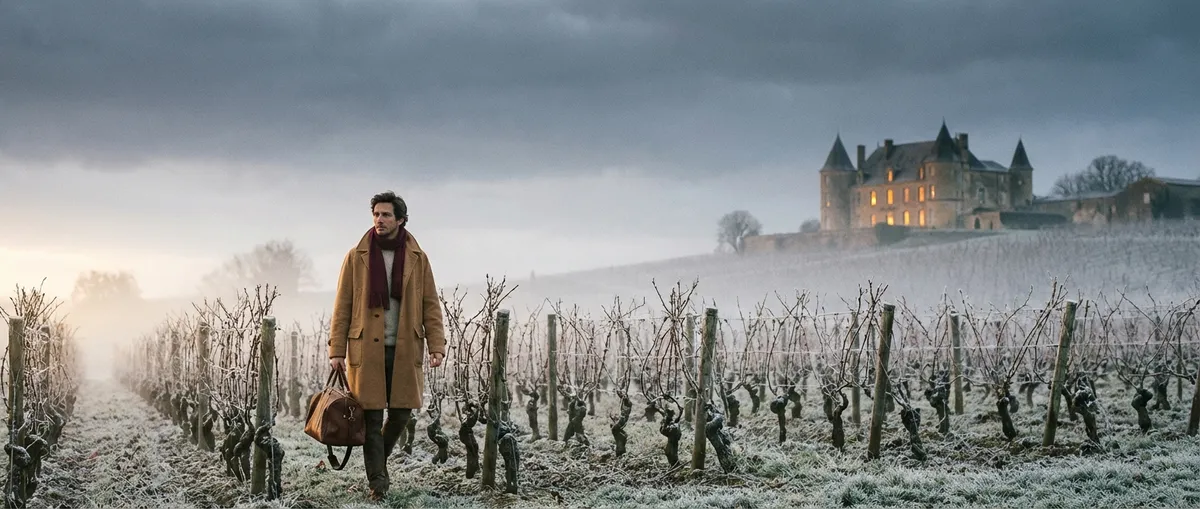
The calendar is as important as the address. Vineyards offer strikingly different experiences depending on when you arrive, and the refined traveler chooses timing with as much care as destination. Late winter and early spring reveal the bones of the vines, their pruned silhouettes exposing the geometry of viticulture and the discipline behind each vintage. In these contemplative months, you may encounter winemakers with more time to talk—about philosophy, risk, and the long arc of their craft.
Late summer into early autumn offers a different kind of intimacy. Veraison—the moment when grapes begin to change color—brings a luminous tension to the vineyard. Near harvest, the air carries the scent of fermenting must and freshly crushed skins. But with this energy comes intensity: schedules tighten, decisions become urgent. If you visit during harvest, consider requesting an early-morning or twilight appointment, when the cellar is quieter and your host can give you their full attention without stepping away from the day’s crucial choices.
The Winemaker’s Table: Moving Beyond Standard Tastings
A premium vineyard visit is increasingly defined not by the number of wines poured, but by the caliber of the conversation. Seek experiences that bring you closer to the decision-makers—the winemaker, the viticulturist, or the proprietor. A private barrel tasting, a comparative sampling of different parcels, or a vertical tasting of older vintages offers a window into evolution, not just style.
Ask to taste a component wine—perhaps a single plot, a specific clone, or a particular barrel. These are the building blocks of the final blend, rarely seen by casual visitors. Observing how a winemaker evaluates these elements, what they praise or question, teaches you to taste with intention. It is in these unpolished samples that you sense the tension between potential and restraint, and understand that great wine is often as much about what is left out as what is included.
Five Exclusive Insights for the Attentive Enthusiast
For those who wish to experience vineyards at a truly elevated level, a few quiet insights can transform a pleasant visit into a lasting memory:
Ask About “Non-Bottled” Stories
Beyond the flagship cuvées lies the secret history of a property: parcels that are sold off in bulk, experimental fermentations never released, or small lots reserved for family use. Inquiring about what doesn’t make it to market often reveals a producer’s true standards and ambitions.
Observe the Edges of the Vineyard
Look beyond the perfect rows. The borders—hedgerows, cover crops, wildflowers, or oak stands—signal the estate’s approach to biodiversity and resilience. These margins frequently host beneficial insects, moderate erosion, and shape the microclimate. A property that tends its edges with care often brings the same precision to what ends up in the glass.
Listen to How They Talk About a “Difficult” Vintage
Every region has challenging years. The most revealing moment in a visit often comes when you ask about them. Do they speak of compromise or creativity, shortcuts or discipline? Producers who approach hard years with honesty and nuance usually show that same integrity in all they do.
Notice the Silence Between Sips
In premium tastings, quiet is not an absence; it is an instrument. The pause after you taste—before your host offers descriptors—protects your own impressions. Esteemed wineries will give you this space, then respond thoughtfully rather than leading with scripted notes. This deference to your palate is a subtle sign of confidence.
Follow the Temperature, Not Just the Tour
Attention to serving temperature and glassware is a hallmark of serious hospitality. Is the white wine cool but not numbing, the red gently cellar-chilled rather than warm? Are more structured wines given larger bowls, aromatic whites narrower rims? These details may seem minor, but they signal a house philosophy that values precision over performance—an alignment any devoted enthusiast will recognize and appreciate.
Cultivating a Relationship, Not a Checklist
The finest vineyard experiences are rarely one-time events; they are the opening chapters of an evolving relationship. Returning over years allows you to witness how a property adapts to changing climates, new plantings, and shifting generational stewardship. Vines age, cellars are refined, and styles evolve with confidence or restraint.
When you discover a place that resonates, stay a little longer—walk the vineyard after your tasting, inquire about library releases, or arrange a follow-up visit on a different season. Share thoughtful feedback; serious producers value informed palates and loyal ambassadors. Over time, you become more than a guest: you are a witness to the estate’s unfolding narrative, tasting not just wine, but the continuity of vision across vintages.
Conclusion
A vineyard visit, at its most refined, is a study in attentiveness. It rewards those who notice the pruning cuts, the quiet competence of the cellar team, the patience required to wait for the precise moment to pick. For the discerning traveler, the true luxury lies not in grand architecture or rare labels alone, but in access to the inner life of a place—the conversations, the silences, the decisions that shape each bottle.
Approach each estate with curiosity, respect, and an eye for the understated. In doing so, you will find that the world’s most compelling wine experiences are not always the loudest or most publicized. They are the ones in which you feel, unmistakably, that you have been invited into the vineyard’s confidence—and that it will reward your return, season after season.
Sources
- University of California, Davis – Viticulture and Enology - Authoritative educational resource on grape growing, winemaking, and vineyard management practices
- Wine Institute – Sustainable Winegrowing Practices - Overview of sustainable and environmentally conscious approaches used by many premium wineries
- Institute of Masters of Wine – Understanding Terroir - In-depth discussion of terroir, vineyard site, and their influence on wine character
- Decanter – The Art of Tasting Wine - Practical yet expert guidance on tasting and evaluating wine at a higher level
- OIV (International Organisation of Vine and Wine) - Technical documents and reports on viticulture, oenology, and global wine standards
Key Takeaway
The most important thing to remember from this article is that this information can change how you think about Vineyard Visits.