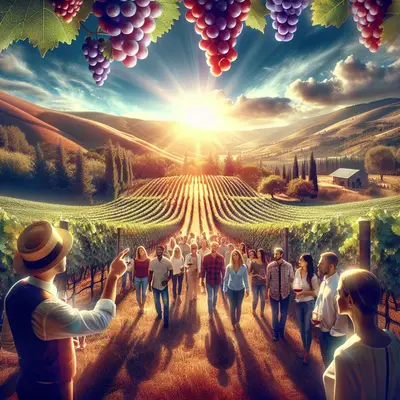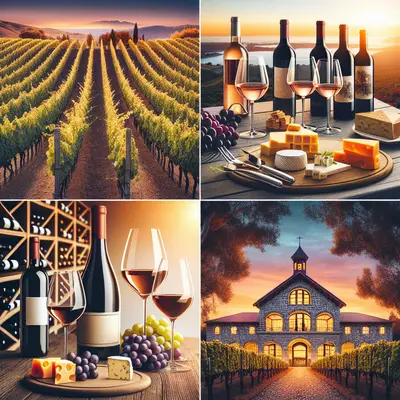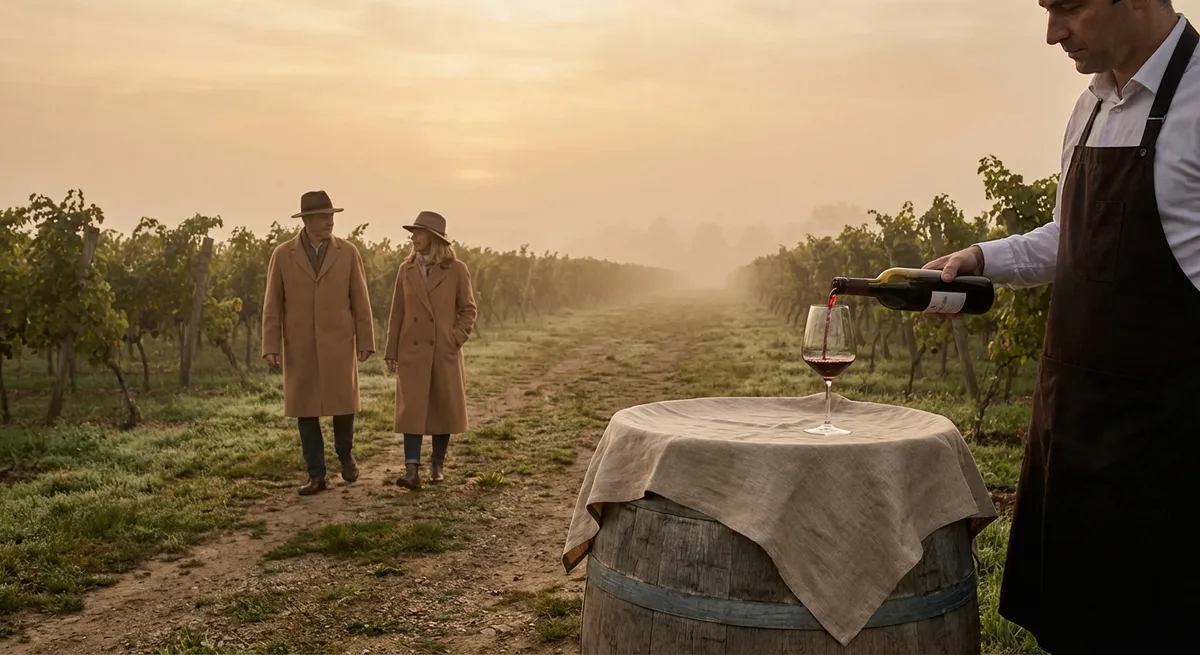
Some wine journeys are memorable; a few are unforgettable. The difference often lies not in the label or the view, but in the timing—the subtle choreography of season, cellar, and conversation. At Wine Tour Adventures, we believe the most rewarding wine tours are not just visits; they are precisely tuned encounters with place, people, and time.
Below, we reveal five exclusive, timing-driven insights that discerning wine enthusiasts quietly rely on—details that transform a pleasant visit into a remarkable, deeply personal wine experience.
The Private Rhythm of the Vineyard Year
Most travelers think in terms of “high season” and “off season.” Serious wine lovers think in terms of vineyard rhythm.
From winter pruning to the frenzy of harvest, each moment in the viticultural calendar opens different doors and closes others. Visiting in mid-winter, for example, offers a bare, architectural view of the vines and often far more time with winemakers, who are not swallowed by the demands of harvest or bottling schedules. Spring brings the delicate energy of budbreak—a chance to understand vineyard risk, canopy strategies, and site exposition while decisions are still being made, not merely explained in retrospect.
Summer visits offer lush beauty and longer evenings, but also a more polished, tour-driven experience. Late summer and early autumn, when grapes move from veraison to ripeness, can be thrilling for those who want to taste berries at different stages and understand picking decisions in real time. The most rewarding approach is to align your visit not with “nice weather,” but with what you most want to learn: vine physiology, cellar craft, or the finished wines themselves. A well-planned tour treats the vineyard year as its true calendar.
The Cellar at Work: When to Witness Craft, Not Just Product
Tourists see barrels and tanks. Enthusiasts seek moments when the cellar is alive.
Your timing can determine whether you simply walk through a resting cellar or witness the choreography of fermentations, rackings, or blending. In many regions, primary fermentations are in full swing during early to mid-autumn, when the air in the cellar takes on a heady mix of CO₂ and fermenting fruit. This is when you can taste juice transforming into wine, follow the evolution of tannin management, or compare lots from different parcels before they are married into a final blend.
Visiting in late winter or early spring often reveals a different layer of craftsmanship: élevage. Here, the emphasis shifts from extraction to refinement—lees stirring, barrel selection, decisions about racking and oxygen management. In the hands of a thoughtful guide, you can taste the same wine from stainless steel, neutral oak, and new barrels and begin to understand why certain houses are so quietly consistent across vintages.
Those in the know will often request a “working cellar” experience rather than a standard tour, signaling to the estate that they seek insight into process and philosophy, not just a lineup of finished wines.
Between Appointments: The Power of Midweek and Midday
The most coveted experiences are sometimes unlocked not by who you know, but by when you arrive.
Weekend afternoons in renowned regions can be a carousel of tour buses, hurried tastings, and exhausted staff repeating the same story. Midweek, and especially late morning or early afternoon, the mood softens. The pace slows. A thirty-minute slot can organically become a ninety-minute conversation if you ask the right questions and show genuine curiosity.
This is when a winemaker or estate manager might pull a sample from a barrel not listed on any tasting sheet, open an older vintage quietly resting in the library, or step outside to show you how the vineyard aspect changes across the hill. The key is to request appointments that avoid peak pressure points: aim for Mondays through Thursdays, avoid public holidays, and schedule your day so that you arrive unhurried with time to linger.
For connoisseurs building a cellar, these quieter windows are often when allocation conversations or future-release discussions naturally occur—moments that are nearly impossible in a crowded tasting room on a Saturday afternoon.
Curating Contrast: Designing a Day of Deliberate Juxtaposition
Most itineraries cluster “similar” wineries in a single day—same style, same scale, same story. Enthusiasts plan for contrast.
A refined tour might pair a historic, multi-generational estate with a precise, avant-garde micro-producer. In one visit, you encounter how tradition codifies success; in the other, how innovation questions it. Or you might deliberately experience two neighboring vineyards on the same slope, vinified by different producers, to taste how personal philosophy overlays terroir.
This deliberate juxtaposition is most powerful when the timing allows each visit to breathe. Schedule only two or, at most, three serious estates in a day, with generous intervals between them. Use the time in between to revisit tasting notes, calibrate your palate, and observe the landscape you are actually tasting in the glass. Rather than racing from door to door, you are composing a narrative: the evolution of style, the shades of a single varietal across different soils, or the spectrum of hospitality from discreetly luxurious to fiercely artisanal.
Well-curated contrast does more than entertain. It trains your palate to detect nuance and helps you identify the producers and philosophies that genuinely resonate with you.
The Unlisted Pour: How to Earn Off-Menu Experiences
The most memorable pour on a wine tour is often the one that does not appear on any tasting sheet.
Only a small number of guests are invited to taste from the estate’s personal cellar, a micro-parcel single barrel, or a back-vintage no longer available for sale. These moments are never guaranteed, and they are rarely requested outright. Instead, they are quietly earned—through the timing of your visit, the grace of your questions, and the way you engage with each wine.
Arriving on time, showing clear preparation (knowing a bit about the estate’s history, their key cuvées, and recent vintages), and expressing genuine curiosity—rather than performative expertise—sets a very different tone. Asking precise, thoughtful questions about viticulture choices, aging regimes, or food pairings signals that you are there not to be impressed, but to understand.
If the rapport is right and the schedule allows, a host might pause and say, “There is something I would like you to taste.” That unlisted pour is often the truest expression of the estate’s soul—the wine they open for themselves, their peers, and, occasionally, for guests who have shown they will truly appreciate it.
Conclusion
Exceptional wine tours are not accidents. They are finely tuned experiences built around timing, intention, and a quiet respect for the work behind every bottle. By aligning your visit with the vineyard year, stepping into the cellar when it is truly alive, choosing midweek stillness over weekend spectacle, curating contrast between estates, and engaging with genuine curiosity, you move beyond tourism into something more enduring: a personal dialogue with the world of wine.
At Wine Tour Adventures, we design journeys that honor these subtleties—so that each appointment feels less like a tasting and more like a rare moment in time, captured in the glass.
Sources
- Wine Institute – California Wine Country Travel Tips – Overview of visiting wine regions, seasonal considerations, and planning advice
- Napa Valley Vintners – Napa Valley Growing Seasons – Detailed explanation of the annual vineyard cycle and its impact on visits
- Oregon State University Extension – Annual Growth Cycle of the Grapevine – Educational resource on key vineyard stages throughout the year
- Wine & Spirit Education Trust (WSET) – How Wine is Made – Insight into cellar operations, fermentation, and élevage
- Decanter – Best Time to Visit Wine Country – Discussion of seasonal timing and how it shapes the wine travel experience
Key Takeaway
The most important thing to remember from this article is that this information can change how you think about Wine Tours.