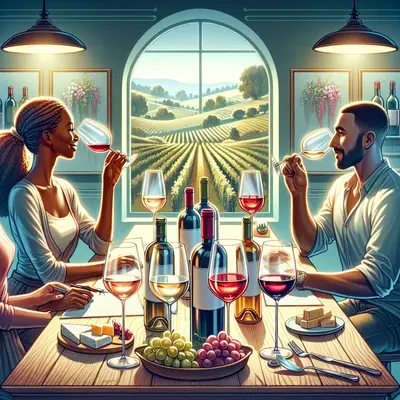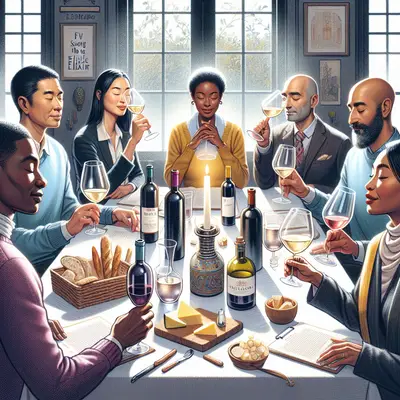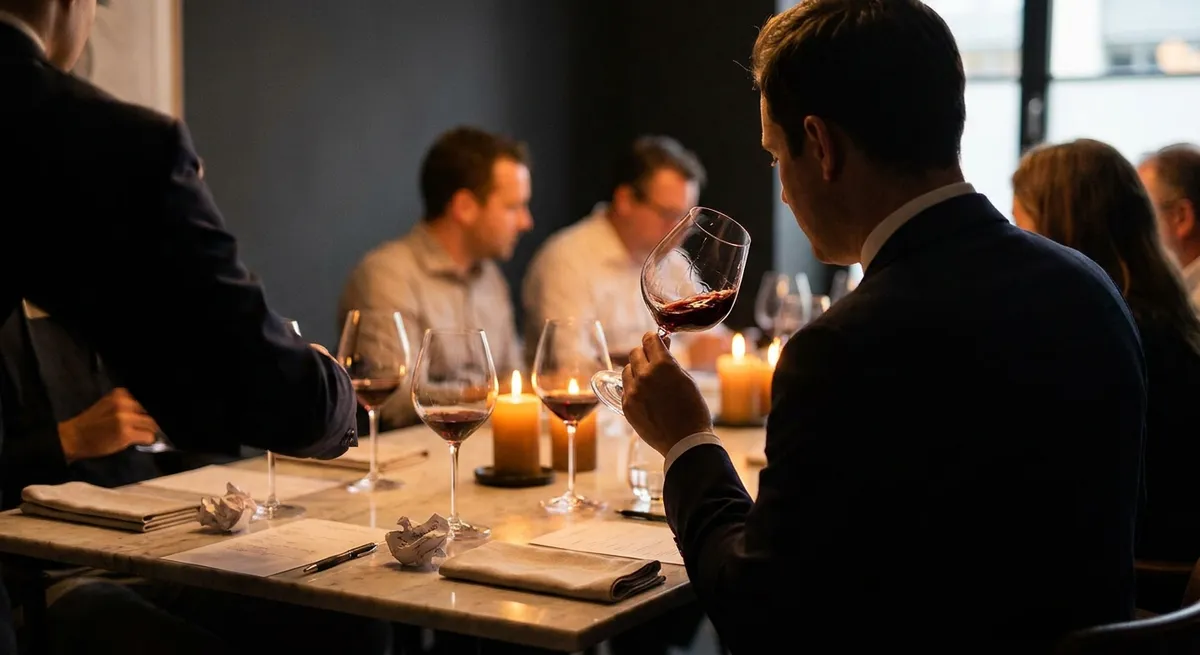
Wine tasting, at its highest level, is less a pastime and more a cultivated discipline—an orchestration of sensory precision, emotional memory, and quiet ritual. For the seasoned enthusiast, refinement lies not in grandeur but in nuance: how a glass is chosen, how a pause is held, how a single flight can map a landscape, a vintage, even a philosophy. This is the realm where tasting shifts from casual enjoyment to a deeply considered, almost meditative experience.
Below, we explore five exclusive, understated insights that reward the curious palate—details that rarely surface in casual conversation, yet quietly distinguish an ordinary tasting from an indelible one.
The Quiet Role of Glass Weight and Balance
Beyond bowl shape and rim diameter, the weight and balance of the glass subtly but decisively influence the tasting experience. A well-balanced stem, light yet assured in the hand, encourages more precise swirling and gentler movement of the wine, which in turn affects aeration and aromatic release. Heavy, clumsy stems can introduce unconscious tension into your grip, reducing the grace and continuity of motion during the tasting ritual.
The tactile feedback of a finely made glass also calibrates your expectations; a slender stem and ultra-fine rim often predispose you to perceive the wine as more delicate and detailed, priming your mind to seek nuance over sheer power. This phenomenon is not mere theater—studies on multisensory perception show that what we feel in our hands influences how we interpret aroma and flavor. When planning a tasting, consider standardizing glassware across the flight, then intentionally introducing a single, different glass for one pour. The shift in your tactile experience, and how your perception of that wine changes, becomes a private masterclass in sensory suggestion.
Temperature as a Moving Target, Not a Fixed Number
Experienced tasters rarely think of serving temperature as static. Instead, they regard it as a dynamic axis along which a wine can reveal multiple characters over the course of a single glass. A structured white poured slightly cooler than ideal might start tightly coiled—citrus and mineral at the fore—then, as it warms in the glass, release subtler layers of stone fruit, beeswax, or herbal tones.
Rather than chasing a single “correct” temperature, advanced enthusiasts intentionally allow wines to pass through a range. They might taste a white immediately on pouring, then again after a five-minute pause, then once more as the glass nears room temperature. The same holds for reds: serving slightly cooler than typical room temperature can heighten freshness and definition, especially in high-alcohol or fruit-driven styles. Maintaining a small ice bucket for reds in warmer climates—or a discreet chill sleeve—can preserve structural clarity across an extended tasting. Observing how a wine’s structure and aromatics evolve over this temperature arc deepens both understanding and appreciation, turning a simple pour into a temporal experience.
The Architecture of a Flight: Storytelling Through Sequence
Most casual tastings follow a predictable arc: sparkling, white, rosé, red, dessert. Sophisticated flights, however, are composed with narrative intent. Rather than merely grouping wines by color or grape, advanced enthusiasts structure their tasting as a progression of ideas: texture, origin, elevation, soil, or even winemaking philosophy.
One approach is to design a “texture-forward” flight: beginning with a linear, high-acid wine, moving through wines with increasing mid-palate weight and phenolic grip, and concluding with something almost tactile in its density—perhaps a structured red or an orange wine with gentle skin contact. Another approach is to tell a “terroir story,” lining up wines from the same grape but dramatically different sites: maritime vs. continental, high-altitude vs. valley floor, calcareous vs. volcanic soils.
By curating in this way, you invite comparative insight—how tension feels in the mouth, how salinity differs from minerality, how elevation or exposure shapes aromatics. The flight becomes a structured conversation between glasses, and each wine is understood not in isolation, but in relation to what came before and after.
Palate Reset: The Underestimated Art of Neutrality
Between glasses, what you do not taste is as crucial as what you do. Simple palate cleansers—plain water, neutral crackers—are widely understood, yet there is a more nuanced practice at work among serious tasters: managing sensory fatigue and olfactory adaptation with deliberation. Aromatic saturation can dull perception, making later wines seem muted or indistinct, particularly in large tastings where dozens of glasses pass before you.
Short, deliberate pauses away from aromatic stimuli—stepping outdoors, moving to a neutral-scented room, or even grounding your attention on your own breath—can refresh perception more effectively than any food. Strong cheeses, perfumed charcuterie, or heavily seasoned snacks can cling to the palate and distort subsequent wines; seasoned enthusiasts often reserve such indulgences for after the formal tasting, preserving a window of unclouded focus.
Water temperature also plays a role: ice-cold water can temporarily numb the palate, while slightly cool or room-temperature water cleanses without muting sensitivity. By treating your palate as an instrument in need of periodic recalibration rather than constant stimulation, you grant each wine, especially those at the end of a flight, the same clarity of attention as the first.
Reading Silence: Interpreting What the Wine Does Not Show
At a certain level, refinement in tasting comes not from identifying what is obvious, but from noticing what is conspicuously absent. When a young, ambitious red offers generous fruit yet no apparent tension or inner energy, the silence where structure should be is telling. When a mature white displays honeyed notes without the underpinning of acidity that once gave it lift, that absence narrates its stage of evolution.
Experienced tasters often make mental notes around negative space: no mid-palate sag, no intrusive oak, no bitterness on the finish, no thermal burn from alcohol. These non-attributes are as revealing as overt virtues. They help contextualize where a wine sits on its trajectory—from primary youth to nuanced maturity—and how it might behave with time in bottle, in decanter, or at table.
Cultivating this awareness trains you to listen for balance rather than bravado. You begin to appreciate wines whose excellence is defined by proportion and harmony, not simply by intensity. Over time, this perspective gently reshapes your preferences: you may find yourself gravitating toward wines that whisper their complexity rather than broadcasting it.
Conclusion
Elevated wine tasting is not about performing expertise; it is about cultivating a quieter, more deliberate relationship with what is in the glass. The fine balance of a stem, the evolving arc of temperature, the narrative structure of a flight, the disciplined neutrality of the palate, and the contemplation of what a wine withholds—all of these are subtle disciplines that deepen both pleasure and understanding.
In the end, the most memorable tastings are not defined by rarity alone but by how fully you were present to experience each nuance. When approached with care, curiosity, and a respect for detail, even a modest lineup can feel profoundly luxurious—each glass a small, resonant chapter in a story you are continuously learning to read more fluently.
Sources
- [Harvard T.H. Chan School of Public Health – Alcohol: Balancing Risks and Benefits](https://www.hsph.harvard.edu/nutritionsource/healthy-drinks/alcohol/) – Overview of alcohol’s effects and guidelines for moderate, mindful consumption
- [University of California, Davis – Wine Flavor 101](https://wineserver.ucdavis.edu/industry-info/enology/wine-flavor-101) – Educational resource on sensory aspects of wine and influences on aroma and taste
- [American Chemical Society – How Wine Glass Shape Affects Aroma](https://www.acs.org/pressroom/newsreleases/2015/january/how-wine-glass-shape-affects-aroma.html) – Discussion of scientific imaging showing how glass shape influences aromatic perception
- [Institute of Masters of Wine – Guidelines for Wine Tasting](https://www.mastersofwine.org/wine-study-research/wine-tasting) – Professional perspective on structured tasting, environment, and technique
- [U.S. National Library of Medicine – Olfactory Adaptation and Sensory Fatigue](https://pubmed.ncbi.nlm.nih.gov/25123459/) – Research-based insight into how olfactory adaptation affects perception over time
Key Takeaway
The most important thing to remember from this article is that this information can change how you think about Wine Tasting.