Wine tasting at its most elevated has little to do with swirling theatrically and far more to do with attention. The most memorable glasses are not merely consumed; they are experienced with precision, nuance, and restraint. For the traveler who seeks more than postcards and poured flights, a tasting becomes a quiet dialogue between place, time, and the glass in hand.
This is wine tasting as a refined practice—measured, observant, and deeply personal—guided by five exclusive insights that discerning enthusiasts increasingly treat as non‑negotiable.
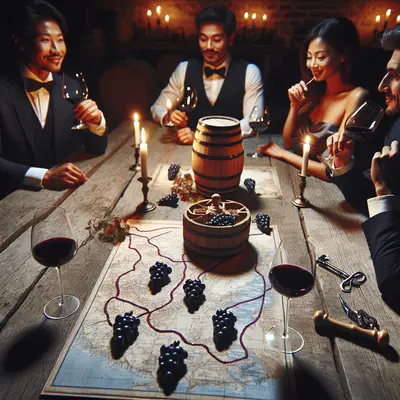
1. Tasting as Cartography: Reading Place in the Glass
The most rewarding tasters do not ask only, “Do I like this?” but, “Where is this taking me?” Terroir is often spoken of as a romantic concept, yet it is ultimately a very practical tool: a way of mapping the relationship between vineyard and glass.
Begin by asking three questions with each pour:
- What shape does this wine have on the palate—vertical and linear, or broad and spherical?
- How does its structure (acidity, tannin, alcohol, body) echo a place—cool coastline, high-altitude terrace, or sun-soaked valley?
- Does the wine speak more of vineyard (minerality, tension, precision) or of cellar (oak, extraction, winemaking signature)?
Over time, you learn to “hear” the difference between a wind-swept coastal Chardonnay and one from a sun-drenched inland slope, or between a Bordeaux blend from gravel versus clay. Regions stop being names on a map and become textures, temperatures, and shapes in the mouth. The best estate visits reinforce this: walking the rows, feeling the hillside gradient underfoot, then tasting those contours translated into flavor and structure.
In this way, each tasting becomes an act of cartography—quietly drawing a mental atlas of the world’s vineyards through sensory memory rather than ink.
2. The Precision of Temperature: Unlocking Aromatic Architecture
Most wine is served either too cold (whites) or too warm (reds), sacrificing complexity for convenience. Enthusiasts who care about nuance treat temperature as a fine adjustment, not an afterthought.
Consider these refined guidelines as a starting point rather than rigid rules:
- Aromatic whites (Riesling, Sauvignon Blanc, Albariño): 45–50°F (7–10°C)
- Structured whites (Burgundy, white Rhône, high-end Chardonnay): 50–55°F (10–13°C)
- Light reds (Pinot Noir, Gamay): 55–60°F (13–16°C)
- Structured reds (Bordeaux blends, Barolo, Syrah): 60–65°F (16–18°C)
Slightly cool, but not icy, to preserve brightness while allowing floral and herbal notes to unfold.
Cooler than a red, warmer than a fridge—where texture and subtle oak come into focus.
Often best with a brief chill, which sharpens definition and keeps alcohol in check.
Just below typical room temperature, to maintain freshness and lift.
In a tasting room or at home, do not hesitate to modulate. If a red feels heavy and blurred, five minutes in a cooler space can restore balance. If a white feels mute, cradling the bowl in your hand for a minute can awaken its aromatics. Serious wine travelers often carry a small pocket thermometer—not as a party trick, but as a quiet guarantee that the wine is revealed, not muffled.
Temperature, approached with intention, becomes a tuning dial for the wine’s aromatic architecture rather than a blunt on/off switch.
3. Glassware as Instrument, Not Accessory
In elevated settings, glassware is chosen with the same care as the wines themselves. It is not about owning dozens of shapes, but about understanding how a well-chosen glass can refine the experience of a single bottle.
Three principles guide sophisticated glass selection:
- Shape directs aroma.
Tall, tulip‑shaped bowls concentrate delicate aromatics (ideal for Pinot Noir or nuanced whites). Wider, more generous bowls suit structured reds that benefit from aeration and softening of tannins.
- Rim thickness and balance affect perception.
Fine, thin rims lend an impression of elegance and precision; heavy rims can dull the perception of delicacy. A well-balanced stem allows the hand to disappear from the experience, keeping the focus on the wine.
- Surface and cleanliness are non-negotiable.
Residual detergent, dust, or lipstick can mute aromas or alter texture. Enthusiasts often give glasses a final rinse with hot water and a polish with lint‑free cloth immediately before service.
On tour, notice which estates invest in serious stemware and how they pair particular shapes with specific cuvées. That choice quietly signals how they want you to experience their wines. At home, even two or three high‑quality, versatile shapes can transform tasting from casual to considered. When the glass becomes an instrument, the wine finally plays in tune.
4. Silence, Sequence, and the Rhythm of a Tasting
The most memorable tastings rarely feel rushed. There is a rhythm—a considered sequence that allows each wine to exist in its own quiet frame.
Several refined habits distinguish the seasoned taster:
- Thoughtful progression.
Begin with lighter, more delicate wines before moving to richer or more structured styles. Dry before sweet, youthful before mature, lower alcohol before higher. This is less dogma than courtesy toward your own palate.
- Purposeful pauses.
Between wines, take 20–30 seconds to reset. A sip of still water, perhaps a neutral bite of bread, and a moment of silence. This small act preserves sensitivity; without it, everything begins to taste like a louder version of the previous glass.
- Revisiting, not racing.
When possible, keep a small amount in each glass to return to after an hour. Observing how aromatics evolve as the wine opens is often more revealing than the first impression. Great wines reward revisiting; lesser ones tend to collapse or flatten.
- Minimal interference.
Strong perfumes, heavily scented lotions, or intrusive background aromas (coffee, kitchen spices) interfere with nuance. Discreet tasting rooms manage scent and sound meticulously; enthusiasts learn to do the same when planning their visits and their attire.
Wine, when approached with cadence rather than haste, reveals layers that simply do not appear in rapid‑fire flights. The luxury here is not only the wine itself, but the unhurried time you grant it.
5. Memory, Not Scores: Building a Personal Archive of Taste
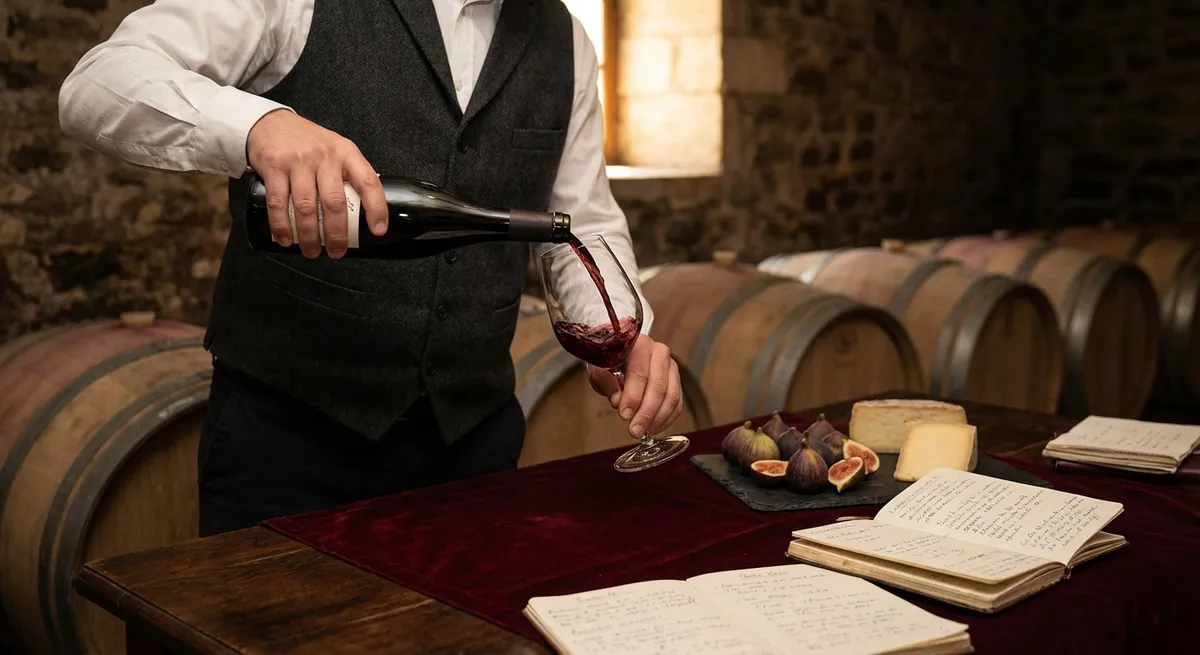
Seasoned travelers in the wine world rarely speak in scores; they speak in memories—of vintages, vineyards, weather patterns, and the precise impression a wine left years later. The most enduring collections begin in a notebook, not a cellar.
Cultivate a personal archive with a few disciplined practices:
- Describe structure, not just flavor.
Instead of only naming fruits or spices, note the wine’s tension: high or low acidity, fine or coarse tannins, long or short finish, light, medium, or full body. These elements anchor the wine in memory more reliably than any single flavor reference.
- Record context.
Note the vineyard visit, the person pouring, the weather, what you were eating, even the time of day. Our brains index wines alongside these sensory cues; recalling the scene later often unlocks the sensory memory of the wine itself.
- Capture the emotional impression.
Was the wine meditative, energetic, contemplative, playful, austere? This may seem subjective, but over time patterns emerge—certain regions consistently feel “vertical” and serious; others broad, generous, and sunlit.
- Revisit your notes before new tours.
Before your next trip, skim prior entries from the same region or producer. You arrive in the tasting room not as a stranger, but as a returning listener already attuned to the estate’s voice.
This quiet discipline turns tasting into a cumulative journey rather than a series of disconnected encounters. A thoughtfully kept archive becomes, in its own way, a private library of places you have tasted, even if you have not yet walked every one of their vineyards.
Conclusion
Refined wine tasting is not about mastering theatrical gestures or memorizing obscure jargon. It is the art of structuring attention—toward place, temperature, glassware, pacing, and memory—so that each glass becomes a fully realized experience rather than a fleeting impression.
For the traveler with a discerning eye and a patient palate, this approach transforms visits from “wine stops” into quietly luxurious encounters with landscape, craftsmanship, and time itself. You are no longer simply tasting; you are listening—intently—to what the wine is prepared to say.
Sources
- [Wine Tasting: How to Taste Wine Like a Pro – Wine Spectator](https://www.winespectator.com/articles/wine-tasting-how-to-taste-wine-2135) – Overview of professional tasting techniques and structural assessment
- [Serving Temperatures for Wine – Wine & Spirit Education Trust (WSET)](https://www.wsetglobal.com/knowledge-centre/wine/how-to-serve-wine/serving-temperatures-for-wine/) – Educational guidance on ideal service temperatures for different styles
- [Stemware and Wine Perception – RIEDEL Official](https://www.riedel.com/en-us/knowledge/wine-glasses-guide) – Detailed explanation of how glass shape influences aroma and flavor
- [Terroir and the Sense of Place in Wine – UC Davis Viticulture & Enology](https://wineserver.ucdavis.edu/industry-info/enology/terroir) – Academic perspective on how environment impacts wine character
- [Wine Tasting and Sensory Evaluation – Cornell University](https://grapesandwine.cals.cornell.edu/extension/enology/wine-sensory-evaluation/) – Research-based insights into sensory analysis and structured tasting methods
Key Takeaway
The most important thing to remember from this article is that this information can change how you think about Wine Tasting.