Not all wineries aspire to be destinations; some aspire to be worlds. Premium estates occupy a rarefied space where craftsmanship, landscape, and time converge into a singular experience—less a visit, more a quiet immersion. For the discerning traveler, these are not mere stops on a tasting route but curated encounters with people and places that think in decades, not seasons.
Within these enclaves, the most memorable details are often the least advertised: the invisible choices, quiet traditions, and meticulous decisions that shape every pour. Here, we explore the culture of premium wineries through five exclusive, insider-level insights designed to deepen the way you experience your next visit.
The Architecture of Restraint: How Design Shapes the Glass
At many premium wineries, the architecture is not simply stunning—it is strategic. Buildings are oriented to control light, temperature, and airflow as much as to frame panoramas. Underground cellars are carved into hillsides for natural thermal stability, reducing the need for mechanical intervention and allowing wines to mature slowly and consistently.
You may notice tasting rooms where windows are positioned to avoid direct sunlight on your glass, preserving aroma and serving temperature. Stone, concrete, and wood are chosen not only for aesthetics but for how they absorb or release heat throughout the day. In some estates, the production areas and hospitality spaces are purposefully separated, maintaining a calm, almost gallery-like atmosphere where your focus stays on the wine in front of you, not the bustle of the crush pad.
A walk through such a property reveals a choreography of intention: gravity-flow wineries that minimize pumping to preserve delicacy; barrel vaults designed for subtle humidity control; and private tasting salons where acoustics are tuned to keep conversations intimate. In the premium realm, architecture becomes a silent collaborator—shaping the wine, the ambiance, and ultimately your memory of the place.
Beyond the Label: Silent Signals of True Craft
The most revealing details of a premium winery rarely appear on the label. One of the surest indicators of seriousness is the scale and precision of vineyard management. Look for estates that speak specifically about their vineyard blocks, soil types, and clonal selections rather than leaning solely on marketing language. When a winery references particular parcels by name, it often reflects a deeper, almost obsessive intimacy with their land.
Attention to canopy management, hand-harvesting, and small-lot fermentations are more than romantic images—these are deliberate strategies to finely tune texture, ripeness, and aromatic complexity. In many top properties, grapes from different blocks are vinified separately, tasted blind, and only the most harmonious components are assembled into the final blend. The resulting wine is less a single stroke and more a meticulously composed score.
You may also encounter practices that seem understated but are profoundly telling: investment in temperature-controlled fermentation tanks sized to individual plots; the use of native yeasts where appropriate; and a restrained approach to new oak, letting fruit and terroir lead while barrels contribute subtle framing. These behind-the-scenes decisions are the real signatures of craftsmanship, discernible in the glass by their balance, length, and textural finesse.
The Timekeepers: Vintage, Cellaring, and the Luxury of Patience
In the world of premium wineries, time is treated as a vital ingredient rather than a constraint. While many producers release their wines as soon as possible, top estates often hold back vintages, granting them years of quiet evolution before they appear in the tasting room. This patience demonstrates both confidence and respect—for the wine and for the guests who will experience it.
You may find that a premium winery offers side-by-side pours of different vintages of the same cuvée, allowing you to trace the influence of climate, age, and cellaring. Such vertical tastings are not flashy; they are scholarly, offering a rare window into how tannins soften, acidity integrates, and aromatic profiles evolve from primary fruit to more complex tertiary notes of leather, truffle, or dried flowers.
Cellars at these estates function as living archives. Temperature and humidity are not approximate—they are precise and stable, designed to guide wines through their maturation with minimal stress. This approach to time extends to the hospitality experience: longer, seated tastings; unhurried pacing between flights; and the chance to engage deeply with the narrative behind each bottle. For the devoted wine traveler, this is one of the most profound luxuries a winery can offer: the chance to taste time itself.
People of the Vine: Conversations That Redefine the Visit
The true heartbeat of a premium winery is not its façade or its price list; it is its people. What sets exceptional estates apart is not only the pedigree of the winemaker but how generously knowledge is shared. Instead of scripted speeches, you may encounter intimate, conversational tastings led by senior staff, sommeliers, or even members of the winemaking team.
These hosts do more than present wines. They interweave geology, climate, and personal history into a nuanced, coherent story. They can speak as fluently about rootstocks and pruning choices as they can about pairing a textured white with the regional cuisine. This depth allows you to move beyond simple descriptors—“fruity,” “oaky,” “bold”—toward a more articulate vocabulary of structure, minerality, and balance.
In some top properties, staff training rivals that of leading restaurants. Teams may taste regularly as a group, debate vintages, and study global benchmarks to keep their palate calibrated. As a guest, your questions are not a formality; they are a welcome invitation to open the archive of the estate’s accumulated knowledge. When you leave with a richer understanding, not only a fuller trunk, the winery has fulfilled its higher purpose.
The Unscripted Layer: Micro-Experiences Only Connoisseurs Notice
Premium wineries excel at curated experiences—private tastings, library selections, food pairings—but the most memorable elements are often unscripted, perceptible only to those who know where to look. These micro-experiences are rarely advertised, yet they distinguish a visit from a standard “premium” offering.
You may be quietly offered a glimpse of a fermenting tank during harvest, an off-menu pour from a near-sold-out vintage, or a “family wine” produced in tiny quantities for club members and long-time clients. Sometimes it is as subtle as being welcomed to step into the vineyard row that produced the wine in your glass, feeling the soil, seeing the exposure, and understanding, firsthand, why this parcel tastes the way it does.
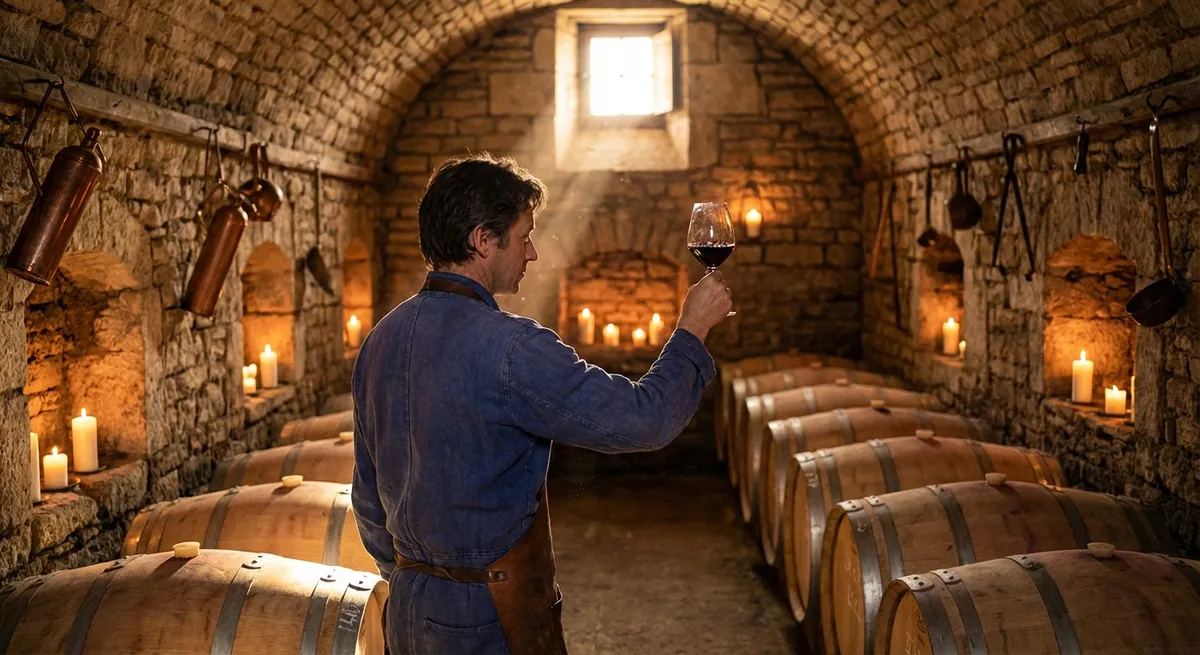
At certain estates, an unhurried stroll through the barrel room may reveal experimental lots—amphora-aged components, old-vine cuvées, or single-row trials not yet released. For the attentive guest, these moments form a privileged layer of discovery: a feeling that you have seen a side of the winery that is normally reserved for insiders. It is in these quiet, finely drawn details that premium hospitality becomes something rarer—genuine connection.
Conclusion
Premium wineries are not defined solely by price, architecture, or exclusivity. Their true essence lies in the interplay of restraint and precision: in spaces designed to honor the wine, decisions made quietly in the vineyard and cellar, an unhurried respect for time, and conversations that elevate knowledge instead of reciting scripts.
For the devoted enthusiast, approaching these estates with curiosity and attention transforms a visit from a pleasant outing into a layered, memorable encounter. In the reverberation between terroir, craft, and culture, each glass becomes more than a beverage; it becomes a finely tuned expression of place, people, and patience—an experience worthy of the journey.
Sources
- Wine Institute – Winegrowing Practices – Overview of viticultural and winemaking practices commonly used by quality-focused producers
- UC Davis Department of Viticulture and Enology – Educational resources on vineyard management, fermentation, and cellar techniques
- Napa Valley Vintners – Napa Valley Terroir – Detailed explanation of how soil, climate, and geography shape premium wine regions
- Decanter – Guide to Wine Cellar Storage – Insight into optimal cellaring conditions and the impact of aging on fine wines
- JancisRobinson.com – Wine Tasting Practice & Theory – Authoritative discussions on tasting, structure, and quality assessment in fine wine
Key Takeaway
The most important thing to remember from this article is that this information can change how you think about Premium Wineries.