The finest vineyard visits do not shout; they unfold in quiet layers, revealing their character only to those who arrive with patience and curiosity. Beyond postcard landscapes and tasting room flights lies a more nuanced experience—one where soil, microclimate, craftsmanship, and time are all allowed to speak. For the devoted wine enthusiast, a vineyard visit becomes less a tour and more a dialogue with place.
Reading the Landscape: Understanding Terroir in Real Time
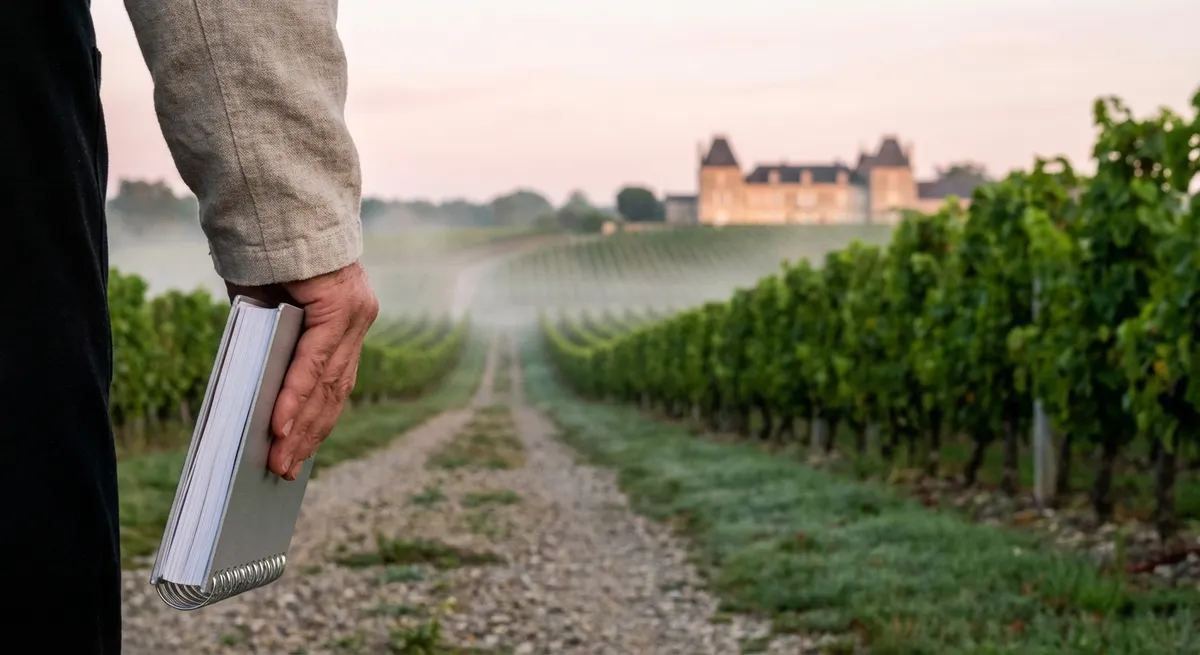
A sophisticated vineyard visit begins long before the first pour. It starts with learning to read the landscape as you arrive: the slope of the hills, the orientation of the rows, the distance to the nearest body of water, the interplay of sun, wind, and shade.
Walking between the vines, note where the soil shifts in color or texture—loam becoming gravel, limestone giving way to clay. These transitions often mirror changes in varietal plantings or vine vigor, tangible evidence of terroir shaping style. Ask to see blocks that rarely feature in brochures: marginal slopes where yields are low but concentration is high, or experimental parcels where rootstocks and clones are being tested.
The more you observe, the more the wine in your glass becomes a precise expression of place rather than an abstract flavor profile. Your conversation with the host can move past “red fruits and spice” into “north-facing clay parcel with a later ripening curve,” a level of specificity that producers genuinely appreciate.
Exclusive Insight #1: Request a comparative tasting of wines from different parcels or elevations within the same estate. Tasting terroir side by side, in situ, is the most instructive—and quietly thrilling—way to understand how a single hillside can yield multiple personalities in the glass.
Following the Rhythm of the Season
Visiting vineyards at different times of year is akin to watching the same symphony at various movements. Each season reveals a new dimension of the estate’s philosophy and discipline.
In early spring, pruning cuts remain visible and you can see how severely—or conservatively—the vines are managed. The number and positioning of buds hint at anticipated yields and quality targets. In summer, canopy management tells its own story: leaf thinning, shoot positioning, and fruit exposure signal how the winery is balancing ripeness, acidity, and aromatic precision.
Harvest, of course, is theatre, but observe beyond the obvious. How are grapes transported to the winery—small crates, large bins, or mechanized systems? Are pickers moving block by block according to specific ripeness windows, or is the estate harvesting broad swathes of vineyard at once? In winter, the apparent quiet hides vital work in soil health, barrel care, and planning.
Exclusive Insight #2: Time at least one visit to coincide not with harvest, but with a “quiet” season (late winter or early spring) and arrange a cellar walk focused on barrel aging, blending, and long-term planning. You’ll gain a rare view into decisions that shape future vintages, not just the one currently on release.
Listening to the Cellar: Precision Behind the Pour
The cellar is where a vineyard’s philosophy becomes tangible. Here, stainless steel, concrete eggs, amphorae, and oak all tell a story about the producer’s relationship with texture, freshness, and longevity.
Look beyond capacity and architecture to the subtleties. Are fermentations spontaneous, relying on ambient yeasts, or inoculated for precision? Are there dedicated vessels for single parcels, or is the emphasis on blending early? Pay attention to how temperature is managed, how gently wines are moved (pump vs. gravity), and how long they rest on lees. These choices, minute as they may seem, define the contours of the final wine.
Ask to compare a finished wine in bottle with the same cuvée still aging in barrel or tank. This contrast reveals how élevage—time in vessel—polishes structure, rounds tannins, and integrates oak. You begin to understand that “aging” is not passive waiting but active, deliberate refinement.
Exclusive Insight #3: When offered a cellar tasting, inquire if you can taste a wine at three stages—young in tank or barrel, near bottling, and an older bottled vintage. Experiencing a single cuvée through time illuminates a producer’s stylistic vision with remarkable clarity.
Discovering the Hidden Narrative: Conversations Beyond the Script
Every estate has a well-rehearsed story, but the most rewarding vineyard visits arise when you move gently beyond the prepared narrative. Winemakers, vineyard managers, and long-tenured cellar staff all carry different facets of the estate’s identity.
Rather than asking only about awards or “signature” wines, invite stories about the vintages that challenged them, experiments that failed, or parcels they quietly adore but rarely spotlight. These conversations reveal the emotional and intellectual investment behind each bottle—and often lead to unexpected pours from less publicized barrels or library stock.
In family-run properties, notice how responsibilities are divided between generations. Younger winemakers may be steering the estate toward lower intervention, new varietal trials, or more sustainable practices, while older generations safeguard typicity and continuity. Listening to this internal dialogue adds a layer of richness to every sip.
Exclusive Insight #4: Ask each person you meet at the estate—owner, winemaker, vineyard worker—to name one wine or parcel they personally find most meaningful, and why. Then, if possible, taste that specific wine. You will experience not just a product, but a deeply personal chapter of the estate’s story.
Tasting with Intent: Elevating Your Own Palate
A premium vineyard visit reaches its crescendo in the tasting, but the most rewarding moments occur when you move from passive enjoyment to intentional exploration. Rather than approaching each wine as an isolated experience, treat the tasting as a structured inquiry.
Begin by aligning your expectations: ask the host how they define success for each wine—age-worthiness, purity of fruit, expression of a particular site, gastronomic versatility. As you taste, evaluate the wine not just in terms of aroma and flavor, but in light of that stated intention. A delicate, mineral white may be a triumph if its aim is to partner with shellfish, even if it lacks the opulence you might initially seek.
Pay close attention to structure: acidity, tannin quality, and length. These elements speak directly to potential for aging. If available, taste younger and older vintages side by side, noting how primary fruit evolves into tertiary complexity. Take discreet notes, not to compile scores, but to track your own preferences and sensitivities over time.
Exclusive Insight #5: During the tasting, choose one wine and ask to explore its “ideal context”—what vintage conditions shaped it, which parcel it came from, what foods it best accompanies, and how long the winemaker believes it should age. This transforms a single glass into a full narrative—from vine to cellar to table.
Conclusion
A vineyard visit, at its most elevated, is not about volume of wines tasted or opulence of surroundings. It is about learning to perceive the invisible architecture behind each bottle: the soil profile beneath your feet, the discipline of seasonal work, the quiet decisions in the cellar, and the personal convictions of those who tend the vines.
For the attentive connoisseur, five subtle shifts—tasting parcels side by side, visiting in quiet seasons, following wines through their evolution, listening for unscripted stories, and exploring the full context of a single cuvée—turn a pleasant day out into a deeply informed, quietly luxurious experience. In that space, every vineyard becomes more than a destination; it becomes a living, evolving chapter in your own journey through the world of wine.
Sources
- Wine Institute – Exploring California Wine Country - Overview of winegrowing regions, climate, and terroir considerations in California
- Bordeaux Wine Council (CIVB) – Understanding Terroir - Insight into how soil, climate, and geography shape wine styles in Bordeaux
- OIV (International Organisation of Vine and Wine) – Viticulture and Oenology Publications - Technical background on vineyard practices, fermentation, and aging
- University of California, Davis – Viticulture and Enology Extension - Research-based information on winemaking techniques and cellar practices
- Institut National de l’Origine et de la Qualité (INAO) - Official French resource detailing appellation rules, terroir protections, and regional distinctions
Key Takeaway
The most important thing to remember from this article is that this information can change how you think about Vineyard Visits.