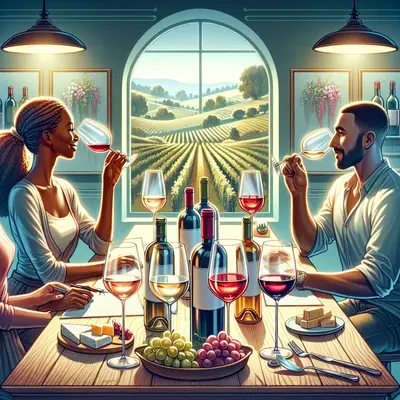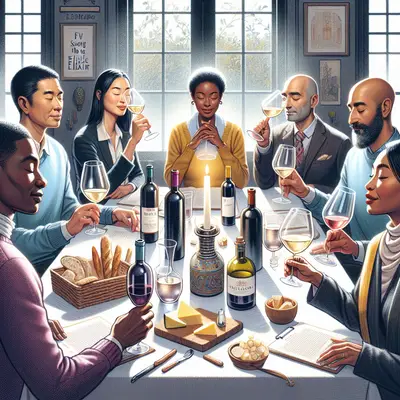
Wine tasting, when practiced with intention, becomes far more than swirling and sipping—it is a quiet dialogue between place, time, and the person holding the glass. At Wine Tour Adventures, we see each tasting as an orchestrated experience: the light, the pacing, the company, and the bottle all conspire to reveal something rare and fleeting. This is not about intimidation or performance, but about cultivating a more perceptive, more luxurious way to listen to wine.
Below are five exclusive, often-overlooked insights that seasoned enthusiasts cherish—subtle refinements that elevate a pleasant tasting into an unforgettable one.
1. The Opening Act: How the First Pour Shapes Every Other Glass
The very first wine you taste sets the architecture for everything that follows. It calibrates your palate—establishing what feels crisp, what reads as ripe, and how much oak or tannin your senses will register as “normal” for the rest of the day.
This is why sophisticated tastings often begin with wines that are:
- Dry rather than sweet
- Moderate in alcohol
- High in acidity but not aggressively aromatic
Such a wine acts as a tuning fork. A taut Champagne, a mineral-driven Albariño, or a finely etched Chablis, for example, can awaken your palate without overwhelming it. Start with something heavily oaked or intensely perfumed, and the subtleties in the next wines may recede into the background.
Enthusiasts in the know will quietly ask: “What are we opening with?” That first selection reveals the philosophy of the host and the trajectory of the tasting. When you design your own line-up at home, think in terms of narrative pacing rather than price: a graceful overture, not a showstopper, is the most refined beginning.
2. The Art of Stillness: Letting a Wine Settle Before You Judge
In serious tastings, the most discerning guests are often the quietest during the first minute with a new wine. Before they swirl, they take a moment to observe the liquid at rest: how it clings to the glass, how the color shifts at the rim, how the initial, almost shy aromas behave without agitation.
This “stillness phase” reveals:
- Alcohol level and viscosity through the wine’s texture on the glass
- Youth or evolution in the subtle gradation from core to rim
- Volatile aromas that dissipate quickly once the wine is swirled
Only after this silent appraisal do they swirl, coaxing more expressive aromas to the surface. The contrast between the wine at rest and the wine in motion is extraordinarily telling, especially with older vintages or delicate varietals such as Pinot Noir and Nebbiolo.
In a premium setting, time is the true luxury. Allowing a wine a few unhurried moments to reveal itself—before commentary, before comparison—is a quiet indulgence that separates a thoughtful tasting from a hurried one.
3. Texture as a Language: Reading Wine Without Relying on Flavors
Most public tastings focus on flavors: cherry, citrus, vanilla, spice. Serious enthusiasts, however, often speak in the language of texture. They pay closer attention to how a wine feels than to what it “tastes like,” because texture is where craftsmanship, terroir, and aging choices whisper their secrets.
Consider the following textural cues:
- Grain of Tannins: Are they powder-fine like cocoa, chalky like crushed stone, or firm and angular? This hints at grape variety, extraction, and oak regime.
- Weight on the Mid-Palate: Does the wine expand gently across the tongue or move in a straight, focused line? This suggests both ripeness and winemaking style.
- Acid Profile: Is it a sharp, linear lift or a broader, mouthwatering glide? Cool-climate whites and high-altitude reds often reveal themselves here.
- Finish Texture: Do the sensations fade cleanly, or do they linger as a delicate, tactile echo on the gums and tongue?
A truly refined taster can describe a wine’s structure—its frame—without naming a single fruit. When you tune into texture, you begin to sense why two wines from the same region, vintage, and grape can feel profoundly different in the glass.
4. Ambient Luxury: How Light, Sound, and Pace Transform a Tasting
The finest tastings recognize that wine is not experienced in isolation. The room itself becomes part of the bouquet. Light, sound, and tempo each exert a subtle but unmistakable influence on your perception.
Premium wine programs are increasingly curated with this in mind:
- Lighting: Soft, indirect light flatters both wine color and mood. Too bright, and the experience feels clinical; too dim, and nuance is lost.
- Soundscape: A hushed room or low, unobtrusive music allows aromas to take center stage. Studies suggest loud noise can dull our perception of sweetness and aroma.
- Pacing: Allowing a quiet interval between pours gives the mind time to register and file each impression before the next arrives.
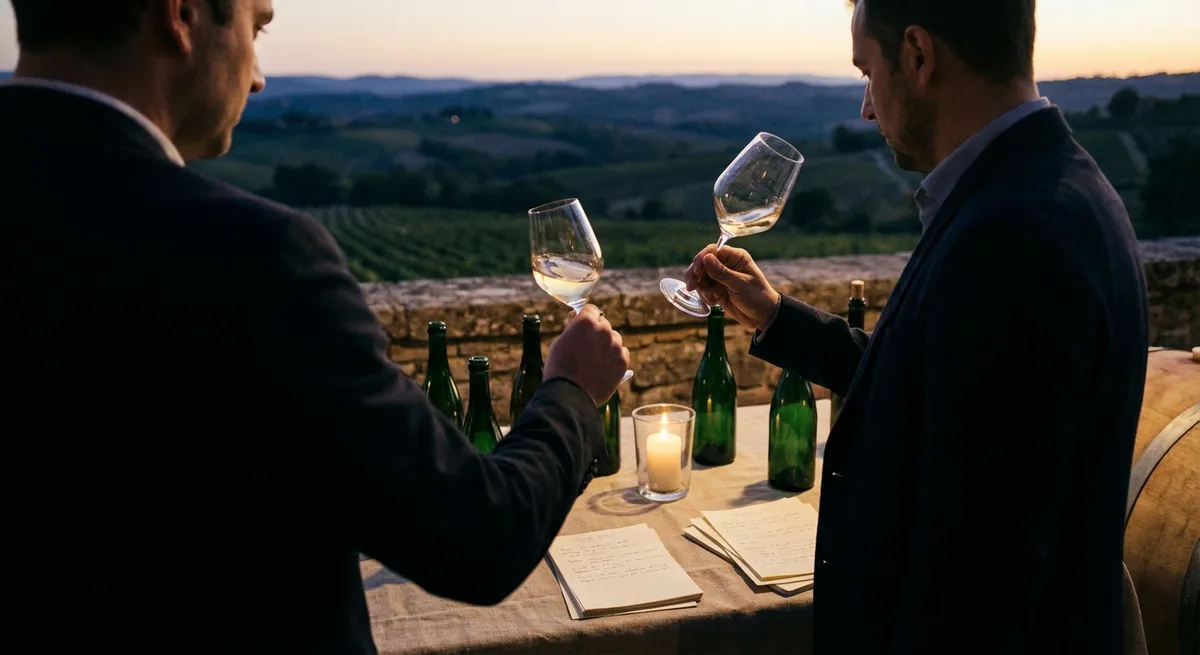
On a thoughtfully designed tour, you may notice the most compelling tastings often occur away from the bustle—perhaps in a small library, a barrel room, or an elevated terrace removed from the main flow of visitors. These environments are not merely aesthetic; they are functional, protecting your sensory focus so each glass can be fully appreciated.
When creating your own at-home tasting, consider this same attentiveness: a curated playlist, uncluttered table, and intentional pause between wines can elevate even modest bottles into something unexpectedly memorable.
5. The Conversation After the Glass: Asking Winemakers the Questions That Matter
What distinguishes a well-traveled wine lover from a truly seasoned one is not just what they taste, but what they ask. In a premium setting, access to the winemaker, proprietor, or estate ambassador is a rare privilege—and a powerful tool for deepening your understanding.
Instead of defaulting to “What’s your best wine?” or “How many points did this receive?”, insiders explore questions like:
- “What difficult decision did you face in this vintage, and how did it shape this wine?”
- “Which parcel or block are you most personally attached to, and why?”
- “If we opened this bottle again in ten years, what would you hope we’d notice?”
- “Which wine here do you feel is most overlooked, yet most expressive of your philosophy?”
These questions invite narrative, not marketing. They reveal the tensions and trade-offs behind the label: harvest timing, fermentation choices, barrel selection, and the house’s long-term vision. The answers often change the way you taste the wine in your glass, layering in an intimacy that can’t be captured on a back label.
The most rewarding tastings linger long after you leave the winery, not only because the wines were exceptional, but because the conversations attached to them were meaningful, unhurried, and quietly personal.
Conclusion
Wine tasting at its highest level is not about memorizing descriptors or chasing trophies. It is the cultivation of attention: to the sequence of wines, the silence before the swirl, the fine grain of texture, the ambiance around the glass, and the questions that draw out a winemaker’s soul.
For travelers with a refined sensibility, this approach turns each tasting into an immersive, almost meditative encounter. Whether you are exploring grand châteaux, under-the-radar estates, or private cellars, these five insights offer a quiet upgrade to the way you experience every pour—a more nuanced, more luxurious reverie in the glass.
Sources
- UC Davis Department of Viticulture and Enology - Technical resources on wine chemistry, sensory evaluation, and winemaking practices
- Cornell University – Wine Flavor Chemistry and Sensory Perception - Research insights into how aroma, flavor, and texture are perceived in wine
- American Academy of Audiology – How Sound Affects Taste - Discussion of studies on the impact of ambient sound on taste perception
- Decanter – Guide to Tasting Wine Like a Professional - Practical overview of structure, texture, and professional tasting technique
- Wine Spectator – Understanding Wine Structure - Explanation of tannin, acidity, body, and finish as key structural elements in wine
Key Takeaway
The most important thing to remember from this article is that this information can change how you think about Wine Tasting.