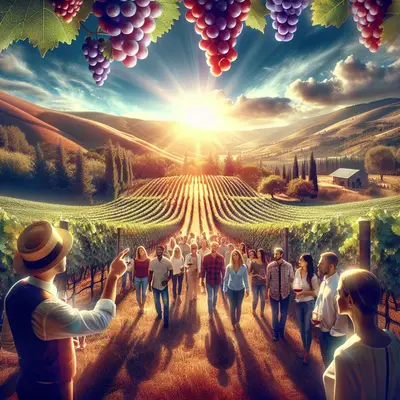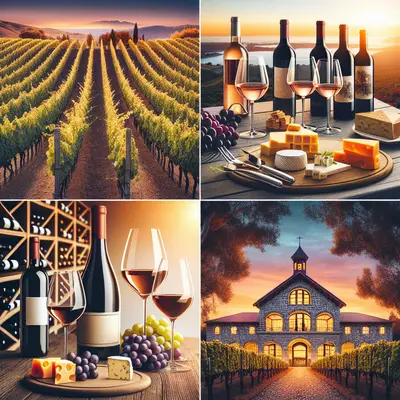
Stepping into a great wine region should feel less like joining a crowd and more like being welcomed into a story. For the discerning traveler, a wine tour is not merely a succession of tastings; it is a curated passage through landscape, culture, craftsmanship, and time. When chosen with care, each visit—each glass—reveals not only what is in the bottle, but also the philosophy, patience, and quiet daring behind it. This is where wine touring transcends leisure and becomes an art form.
The Architecture of a Thoughtful Wine Journey
Exceptional wine tours begin long before the first pour. They are constructed with an almost architectural sense of proportion and pacing: a balance between marquee estates and under-the-radar producers, between technical immersion and pure sensory pleasure.
Designing such a journey means understanding not just the map of a region, but its rhythms. Morning light in the vineyards has a different character from the dusk that settles over a barrel hall; each moment rewards different experiences. Barrel tastings, for example, are typically more revealing earlier in the day, when the palate is sharpest, whereas a sunset visit might be reserved for a winery whose terraces open onto a sweeping valley.
Equally important is the sequence of wines. A refined itinerary might progress from sites known for crystalline whites to producers that excel in structured reds, allowing the day to build in intensity and complexity. The most memorable tours do not rush from appointment to appointment; instead, they leave deliberate pauses—time for a walk between rows of vines, a quiet conversation with a cellar master, or a contemplative revisit of a favorite glass.
The Vineyard as Library: Reading Terroir in Real Time
For enthusiasts, the vineyard is a living text. To walk it with a thoughtful guide—ideally a viticulturist or winemaker—is to gain an intimacy with terroir that no label, however detailed, can provide.
Notice how the soil changes underfoot as you move through a single parcel: a shift from limestone fragments to clay, the sudden appearance of pebbles that retain the day’s warmth. These subtle differences become obvious in the glass when you taste vineyard-designated wines side by side. Pay attention to exposure and elevation—the way morning sun strikes one slope while another remains in soft shadow. These nuances inform ripeness, acidity, tannin texture, and even aromatic profile.
An exclusive insight shared on the most considered tours is the idea of “intra-vineyard diversity”: how micro-variations within a single, ostensibly uniform plot demand tailored canopy management, harvest timing, and even separate vinifications. Standing in such a parcel and then tasting the resulting wine offers a rare, immediate understanding of why sophisticated producers increasingly focus on micro-parcels rather than broad appellation blends.
Behind the Barrel: The Subtle Choreography of the Cellar
The cellar is often presented as a place of mystery, but for those willing to look closely, it is an exquisitely choreographed environment. On a truly elevated tour, you do more than admire the symmetry of barriques; you learn to read the cellar as a reflection of the estate’s philosophy.
Observe the diversity of vessel types: traditional oak barrels, large foudres, concrete eggs, amphorae, perhaps even stainless-steel tanks for precise temperature control. Each choice signals intent. Amphorae may point to a desire for textural complexity without overt oak; large-format oak suggests a preference for slow, gentle micro-oxygenation. Asking why certain wines see new oak while others are aged in neutral barrels often yields candid, technical responses that demystify the winemaker’s craft.
Another privileged layer of insight involves time. Many estates hold back significant library stocks, not for marketing theatrics, but to track the evolution of their wines over decades. When a winemaker draws an older vintage from the cellar for you—particularly one not on public tasting lists—it is an invitation into their long-term vision. In such moments, you are no longer a visitor; you become a temporary custodian of the estate’s memory.
Five Exclusive Insights for the Attentive Wine Traveler
For enthusiasts seeking greater depth from each tour, the following five insights transform a pleasant visit into a genuinely instructive, long-remembered experience:
The “Silent” Vintages Often Speak the Loudest
Iconic years are widely celebrated, but seasoned collectors and sommeliers know that so-called “classic” or cooler vintages can be more nuanced, age-worthy, and food-friendly. During tastings, ask to compare a heralded vintage with one from a quieter year. This contrast reveals how producers respond to climatic challenges—and whether their identity is rooted in marketing cycles or in genuine, consistent craftsmanship.
Fermentation Vessels Are as Expressive as Grape Varieties
The choice between stainless steel, oak, concrete, or clay is not merely technical; it profoundly shapes the final wine. On tour, pay close attention when tasting the same grape vinified in different vessels. Stainless steel often preserves purity of fruit and aromatics; oak introduces structure and spice; concrete can lend a distinctive, almost tactile minerality. Asking to taste these variations side by side, when possible, offers a masterclass in texture and elegance.
Harvest Timing Is the Estate’s Signature Decision
Everything in a fine wine flows from the decision of when to pick. During vineyard visits, inquire about how the team evaluates ripeness: Do they focus primarily on sugar and acidity, or are they equally attuned to seed color, tannin maturity, and aromatic precursors? Wineries that walk you through these considerations—perhaps even showing you samples at different ripeness levels—reveal their philosophy more clearly than any written manifesto.
A Winery’s “Second Wines” Are Often Its Most Honest
Many renowned estates produce second or alternate labels, frequently from younger vines or parcels not destined for the flagship bottling. These wines can be remarkably pure expressions of house style, unburdened by the expectations placed on grand cuvées. When touring, ask to taste these bottlings; they often show the winemaker’s touch with disarming clarity and represent some of the most compelling value in high-level regions.
Food Pairings Reveal a Region’s Soul as Much as Its Wines
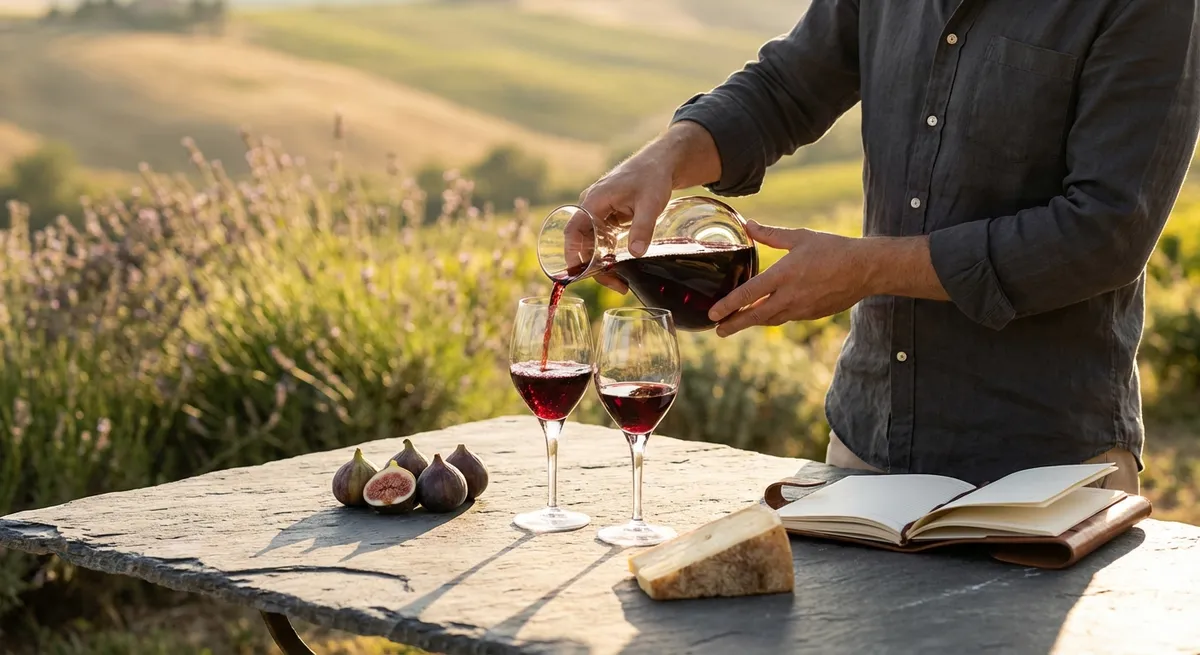
Integrated wine and food experiences—be it a simple plate of local charcuterie or a carefully choreographed multi-course pairing—offer more than indulgence. They teach you how the region itself thinks about its wines. Delicate, herb-driven cuisines may highlight a producer’s emphasis on freshness; richer, sauce-driven dishes might reveal why a region favors structure and tannin. Attentive travelers note how local gastronomy has evolved alongside winemaking and let that dialogue guide their cellaring and pairing choices at home.
Composing a Day of Rarefied Experiences
The most refined wine tours share a common trait: intentionality. Rather than attempting to conquer an entire region in a day, they embrace focus. A thoughtfully curated experience might center on a single valley, a particular soil type, or a theme—such as organic and biodynamic producers, or estates that specialize in single-parcel bottlings.
Transportation, too, becomes part of the experience. A dedicated driver allows you to fully engage with each tasting, while unhurried transfers between appointments invite reflection. Many seasoned travelers favor midweek visits outside peak seasons, when winemakers have more time for genuine conversation and the cellar is closer to its authentic working state rather than staged for crowds.
Finally, consider the narrative arc of your day. Begin where the story starts—in the vineyards. Move next to the fermenters and barrel rooms, then end in a serene tasting space with a view back over the land you have just traversed. In doing so, you transform a series of stops into a coherent, intimate portrait of a place.
Conclusion
A wine tour, at its finest, is not a checklist of estates but a collection of precise, resonant moments: the crunch of soil beneath your shoes, the quiet hum of a fermenting tank, the unexpected grace of an “off” vintage poured from a dusty bottle. When approached with curiosity and care, these experiences refine your palate and your perspective in equal measure.
For the discerning traveler, the true luxury of wine touring lies not in excess, but in depth: fewer stops, more conversation; fewer bottles, more meaning. In that space, between vineyard and glass, a region reveals itself—not loudly, but with lasting clarity.
Sources
- Wine Institute – California Wine Country Tourism – Overview of major California wine regions, climates, and visitor information
- Bordeaux Wine Council (CIVB) – Official guidance on wine tourism in Bordeaux, including estate visits and regional structure
- OIV – International Organisation of Vine and Wine – Global reference for data and studies on viticulture, winemaking practices, and regional diversity
- UC Davis Department of Viticulture and Enology – Educational resources on grape growing, fermentation, and wine production techniques
- UNWTO – Wine Tourism: A Toolbox for Tour Development – Insight into how wine tourism experiences are designed and developed at an international level
Key Takeaway
The most important thing to remember from this article is that this information can change how you think about Wine Tours.