There is a moment, just before the first sip, when a wine reveals everything and nothing at once. The glass is still, the aromas are barely forming, and your palate is poised between anticipation and discovery. For discerning travelers and collectors alike, this suspended instant is where the art of tasting truly begins.
At Wine Tour Adventures, we believe that wine tasting is less about performance and more about perception: a quiet refinement of your senses, guided by place, time, and intention. Beyond basic tasting notes and familiar jargon lies a more intimate, more rewarding way to experience each pour—one that transforms a visit to a winery into a lasting, layered memory.
1. Reading a Wine’s “Cadence” Rather Than Its Flavor Notes
Most tasting rooms still begin with the usual script: fruit on the nose, structure on the palate, finish length. While helpful, this approach often flattens a wine into a checklist. Instead, consider the wine’s cadence—its rhythm from first aroma to final echo. Notice how quickly the aromas rise from the glass, how the flavors appear, recede, and return, and whether the finish tapers gently or lingers with insistence.
This idea of cadence is especially revealing when you taste side by side. Two wines might share similar flavors—black cherry, graphite, dried herbs—yet move across your palate in entirely different ways. One may feel like a well-composed sentence; the other, a winding paragraph with unexpected pauses. During your next tasting, focus less on “What do I taste?” and more on “How does this wine unfold?” That shift alone refines your palate and highlights craftsmanship that flavor notes alone can never fully express.
2. The Glass as a Precision Instrument, Not a Decoration
For serious enthusiasts, glassware is not a matter of aesthetics but of architecture. The height of the bowl, the diameter of the rim, and the angle at which the wine meets your tongue can recalibrate the entire experience. A structured Cabernet felt through a broad-bowled glass will soften, emphasizing fruit and texture; that same wine in a narrower glass will hold its spine, sharpening tannin and delineating acidity.
On curated tours, notice which wineries are meticulous about pairing specific stems with specific wines. This attention is a quiet signal of quality. When traveling, consider bringing a favored universal stem; it may seem indulgent, but it turns any tasting—whether in a château salon or a countryside patio—into a controlled, repeatable experience. Over time, you’ll come to understand not only what styles you prefer, but how you prefer them to be shaped in the glass.
3. Vintage as Mood: Tasting the Year, Not Just the Wine
Collectors talk about “great vintages,” but those who truly appreciate wine learn to perceive each year as a mood rather than a rating. A cooler season can translate into tension, mineral lines, and delicate aromatics—a more whispered expression of a terroir. Warmer, sunnier years may bring generosity, ripe textures, and a sense of immediacy, like a story told with open arms instead of sotto voce.
During a vertical tasting—different years of the same wine—listen for these seasonal signatures. Ask the host about a defining memory from that harvest: a late rain, an unexpected heat spike, a perfectly timed cold front. Then, search for that detail in your glass: the slightly more restrained fruit, the firmer backbone, the surprising depth in a challenging year. You begin to recognize that you aren’t only tasting a wine; you’re tasting the decisions, risks, and weather that shaped it.
4. Understanding Texture as the True Language of Luxury
Flavors are what we recite; texture is what we remember. The most luxurious wines rarely impress through sheer power alone—they captivate through their tactility. Notice how the wine feels as it moves: does it glide, grip, caress, or hum quietly along the sides of your tongue? Is the tannin powder-fine or silk-threaded, or does it resemble the ripe, subtle grip of tea steeped to perfection?
In high-caliber tastings, pay particular attention to the mid-palate—the often-overlooked center of the experience, where lesser wines may simply fade. Well-made wines carry their energy through this middle moment with ease, layering creaminess over freshness, or tension over richness, without collapsing. When you begin to catalogue wines by their texture—“silken,” “chalk-dusted,” “pillowed,” “lithe”—you step into a more sophisticated vocabulary, one that aligns closely with how winemakers themselves evaluate their work.
5. Curating Context: Pairing Place, Time, and Company With the Glass
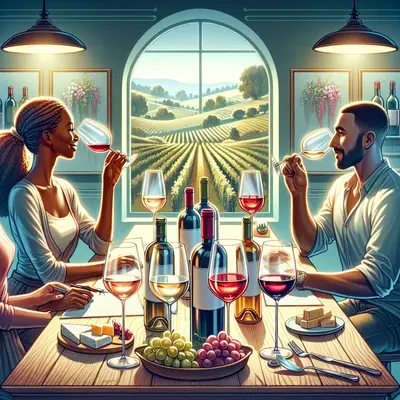
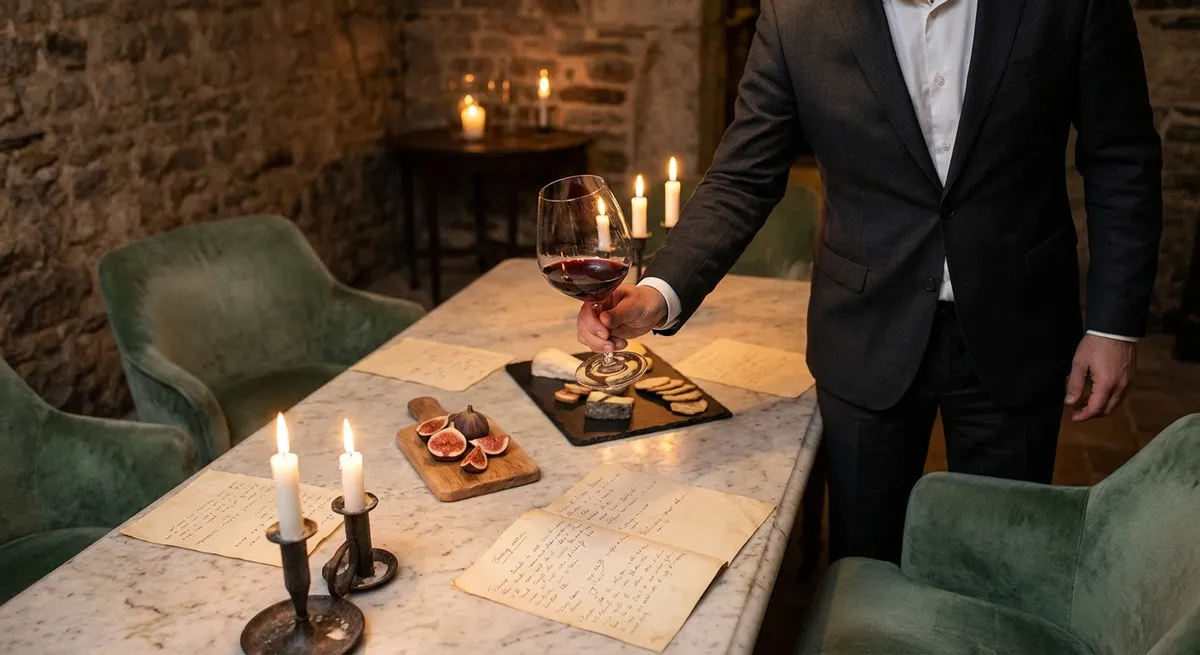
Even the most extraordinary bottle can feel diminished if the context around it is careless. Elevated wine tasting is as much about orchestrating the surroundings as it is about the wine itself. The slant of late-afternoon light in a hillside vineyard, the hush of a stone cellar, the quiet hum of a conversation with someone who listens as intently as you taste—these elements compose the frame in which the wine is experienced.
When planning a wine tour, think in terms of narrative rather than logistics. Start with a bright, energetic tasting earlier in the day—sparkling wines, crisp whites—then move gradually into more contemplative reds as the sun softens and the landscape deepens in tone. Choose one estate where you linger longer, perhaps pairing wines with thoughtfully prepared small plates or a vineyard walk. Limit the number of stops so each visit feels meaningful, not hurried. The result: every glass you raise becomes anchored to a specific, curated moment, transforming your memories of the journey into a cellar of experiences you can return to again and again.
Conclusion
Elevated wine tasting is not about complexity for its own sake. It is about a heightened attentiveness—to cadence, to texture, to the subtle signatures of vintage, to the quiet influence of glassware and setting. With each tour and each pour, you are refining not only your palate, but your way of seeing and feeling the world.
Wine Tour Adventures exists for those who wish to experience wine not merely as a beverage, but as a carefully crafted intersection of place, time, and intention. When you next step into a tasting room or walk between rows of vines, bring these nuances with you. The wines themselves have countless stories to tell—your role is simply to be prepared to hear them.
Key Takeaway
The most important thing to remember from this article is that this information can change how you think about Wine Tasting.