The finest vineyard visits linger in memory not because of spectacle, but because of precision—of detail, timing, and intention. For the traveler who already understands grape varieties and can parse a tasting note, the true luxury lies in how a visit is curated: the quiet corners of an estate, the way light falls across a barrel hall, the conversation that reveals a philosophy rather than a sales pitch. This is where Wine Tour Adventures lives—at the intersection of elevated experience and insider access. Below, discover five exclusive insights that transform a pleasant winery stop into an exquisitely orchestrated encounter with place, craft, and time.
Reading the Vineyard Before You Taste
Before the first pour, the vineyard itself offers the most articulate introduction to the wine. For the experienced enthusiast, a guided walk among the rows is not a romantic add-on but a masterclass in context.
Notice the incline and orientation of the slopes: south-facing parcels in the northern hemisphere (and north-facing in the southern) often enjoy more sunlight, which can translate to riper fruit and richer texture. Observe the spacing between vines and the height of the canopy; tightly planted vines often signal a focus on concentration and competition for resources, while more generous spacing can indicate a style that prioritizes elegance and freshness.
Pay attention to the underfoot texture: stones that radiate warmth into the night, clay that retains water, sandy soils that drain quickly—each leaves an unmistakable imprint on the final wine. Ask to see contrasting plots if the estate works with multiple soil types; tasting wines from these parcels side by side later becomes far more revealing when you have walked those differences. A sophisticated visit begins here, with the ability to “read” the land before a single aroma rises from the glass.
Exclusive Insight #1: Request a comparative vineyard walk focused on micro-parcels—older vines versus younger, differing exposures, or soil terraces—and have your later tasting curated specifically from those exact plots. The continuity between what you see and what you taste is profoundly elevating.
Timing Your Visit to the Rhythm of the Estate
Vineyards exist on a calendar that does not always align with conventional tourism patterns. Understanding this rhythm allows you to step into the most meaningful—and often most private—moments of the wine year.
Visiting just before harvest offers an almost electric tension: growers are watching weather patterns with near-clinical intensity, and small decisions carry disproportionate weight. In contrast, winter lays the structural bones of the vineyard bare; pruning season is often when winemakers and viticulturists are most reflective and have time to engage in deeper conversation. Spring budbreak and flowering show the vulnerable side of the vine, when risk and promise are finely balanced.
For the cellar, consider the timing of bottling or racking—moments when wines are moving and the air is rich with aromatics you will never encounter in a finished bottle. These are periods when many estates restrict casual visits, but they are precisely when a carefully arranged appointment through a specialist platform can yield extraordinary access.
Exclusive Insight #2: Plan a visit anchored to a specific phase—winter pruning, spring budbreak, or immediately post-harvest—and arrange with the estate to observe (not disrupt) a live operation, whether it is pruning decisions in the vineyard or blending trials in the cellar. The insight into timing and judgment far surpasses any standard tour.
Quiet Privileges in the Cellar: Beyond the Public Tour
For the seasoned wine lover, the cellar is more than an atmospheric backdrop—it is a laboratory of choices. The difference between a general tour and a truly elevated encounter is measured in what you are permitted to taste, and from where.
Ask, in advance and discreetly, if the estate is willing to offer barrel or tank sampling. Tasting the same wine at different stages of élevage—young, raw, and aromatic versus more integrated and refined—reveals the hand of the winemaker with striking clarity. You may also encounter experimental lots that will never reach the market in their current form: different oak regimens, alternative vessels such as concrete or amphora, or micro-parcels vinified separately.
The most sophisticated estates are increasingly transparent about their technical choices, from fermentation temperatures to the percentage of whole-cluster use in reds. For an enthusiast, this is not about technical jargon for its own sake, but about understanding cause and effect: how a decision taken in the cellar unfurls in the glass years later.
Exclusive Insight #3: Arrange a focused “elevage” session in the cellar that compares the same wine across at least three stages—tank, young barrel, and nearly finished barrel or concrete. This vertical-in-the-making is a rare privilege that trains your palate far more effectively than multiple finished vintages alone.
Curating a Tasting That Mirrors Your Palate, Not the Price List
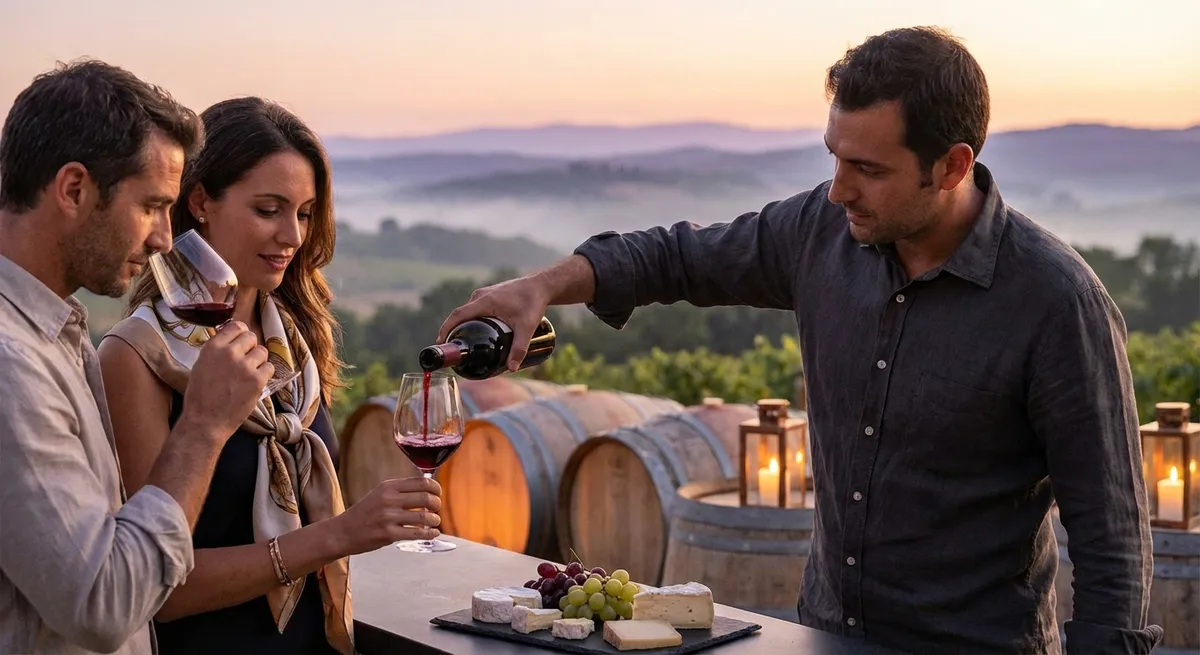
A premium experience is not defined by the most expensive label in the lineup, but by how precisely the tasting has been assembled around your preferences and curiosities. Too many visitors, even knowledgeable ones, simply accept the default flight.
Before you arrive, consider what truly interests you: perhaps understanding how a producer handles differing vintages, or exploring their philosophy on single-vineyard versus blended wines. Communicate that you are less focused on volume and more on depth, and request a tightly curated set of wines that tell a coherent story—such as a progression across soil types, a comparison of oak regimes, or a pure vintage study.
During the tasting, treat the experience as a dialogue. Ask why a particular wine was included and what question it is meant to answer. A serious estate will respond by layering in context: evolution of style over time, shifts in organic or biodynamic practices, or the rationale behind planting choices.
Exclusive Insight #4: Commission a “thematic tasting” rather than a standard portfolio overview. Themes like “evolution of our flagship wine over three contrasting vintages” or “expression of altitude within our estate” yield a tasting that feels like a private seminar, not a sales listing.
Extending the Experience: From Cellar to Table and Home
The most refined vineyard visits extend beyond the final sip at the estate. They shape how you dine, cellar, and share wine long after you leave the region.
If the winery offers a food pairing, look closely at how they frame the match. Are they emphasizing texture, acidity, or aromatic resonance? Ask for pairing principles rather than recipes; these guidelines will inform your own hosting long after the visit has ended. When possible, arrange for a collaborative experience with a local chef—lunch at the estate built around a specific vintage or grape variety, for example—so that the wines are shown in their intended culinary context.
Back home, the bottles you bring gain a richer narrative if you also carry the estate’s recommendations for aging windows and service rituals. An email follow-up with the winery can yield updated advice on when to open specific vintages or how current weather in the region is influencing the ongoing development of their wines. Your cellar, then, becomes an evolving conversation rather than a static collection.
Exclusive Insight #5: Request a “living dossier” for the wines you purchase: ideal drinking windows, decanting recommendations, suggested serving temperatures, and two or three pairing concepts from the estate’s own table. This transforms each future opening into a continuation of your visit, not just a reminder of it.
Conclusion
A vineyard visit at its highest level is less about spectacle and more about alignment: your curiosity with the estate’s willingness to reveal itself. By reading the vineyard before you taste, syncing your arrival with the estate’s seasonal rhythm, seeking quiet privileges in the cellar, curating thematic tastings, and extending the experience into your own dining and cellaring rituals, you move beyond tourism into true engagement. For the discerning traveler, that is where luxury resides—not in excess, but in intentional, deeply informed encounters with the world inside each bottle.
Sources
- University of California, Davis – Viticulture and Enology - Technical background on how vineyard factors such as climate, soil, and canopy management influence wine style
- Cornell College of Agriculture and Life Sciences – Wine Growing Resources - Insight into vineyard management practices and seasonal vineyard operations
- Wine Institute (US) - Overview of key winemaking decisions, cellar practices, and their impact on the finished wine
- Decanter Magazine – Understanding Terroir - Explains how site, soil, and climate shape the character of wines and vineyard experiences
- Institute of Masters of Wine – Serving and Storing Wine - Authoritative guidance on cellaring, serving temperatures, and wine service rituals that enhance post-visit enjoyment
Key Takeaway
The most important thing to remember from this article is that this information can change how you think about Vineyard Visits.