There comes a moment in every wine lover’s life when a tasting room counter and a souvenir glass no longer suffice. The truly rewarding wine tour unfolds not as a checklist of wineries, but as a carefully orchestrated passage through landscape, culture, and craft. At this level, the goal is not simply to taste more wines, but to experience fewer wines more profoundly. This is where Wine Tour Adventures lives: in the quiet space between the glass and the place it came from.
Below are five exclusive, often-overlooked insights that transform a pleasant winery visit into an unforgettable, deeply textured journey.
1. Travel on the Vineyard’s Clock, Not Your Own
The most nuanced wine experiences begin by aligning your visit with the vineyard’s natural rhythm rather than your vacation calendar.
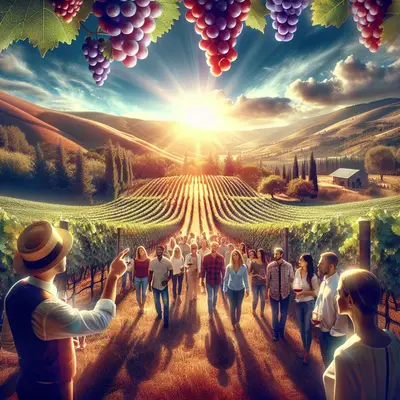
Arriving during harvest at dawn, you might walk the rows when grapes are cool and taut, watching picking teams move with practiced precision while the air holds a faint chill and the scent of crushed skins. In spring, a vineyard feels almost architectural—bare canes and emerging shoots revealing the structure the winemaker must master. Late summer shows a different drama: veraison, when berries shift from green to deep purple, a fleeting moment that few visitors time correctly.
For a refined trip, ask not “Which wineries are open?” but “What is happening in the vineyard this week?” Visiting Champagne during tirage and secondary fermentation, Burgundy during pruning, or Napa during barrel topping offers an intimacy that standard itineraries miss. The wines you taste afterward feel anchored, not abstract—each pour a continuation of what you just walked through.
2. Request to Taste Structure, Not Just Style
Sophisticated wine travelers don’t simply ask for “your reds” or “your reserves.” They ask to taste structure.
At a higher level of hospitality, many estates quietly offer comparative flights rarely listed on tasting menus: two vintages of the same cuvée from different growing seasons; the same wine raised in French oak versus large neutral foudres; or a lineup of single parcels that are usually blended away before bottling. These experiences reveal the skeleton of the wine—its tannin, acidity, and texture—rather than just its immediate aromatics.
When you book, ask if the estate offers “component tastings,” “barrel comparisons,” or “terroir flights.” A side-by-side of a cooler hillside parcel versus a warmer valley floor site, for example, will show you how the winemaker uses micro-differences in soil and exposure as building blocks. The most memorable tours leave you hearing the wine’s architecture long after the fruit notes fade.
3. Follow the Quiet Routes the Trade Uses
The world’s most serious buyers—sommeliers, importers, and collectors—rarely move through wine country the way tourists do.
They travel in arcs: starting with an estate known for pristine viticulture, moving on to a small producer working with similar soils but different clonal selections, then finishing at a domaine that vinifies those same varieties in a radically contrasting style. The goal is progression, not quantity—a narrative thread that ties each stop together.
You can borrow this approach. Rather than choosing wineries by reputation alone, select a theme. In the Willamette Valley, for instance, spend a day entirely focused on volcanic versus marine sedimentary soils. In Bordeaux, arrange a Left Bank route that moves from gravel-heavy Cabernet sites to more Merlot-leaning parcels on clay and limestone. In South Africa’s Swartland, explore old-vine bush-trained plots farmed without irrigation. A day curated this way feels less like a sequence of tastings and more like a master class you walk through, glass in hand.
4. Invest in One Immersive Session Instead of Multiple Quick Stops
There is a particular elegance in choosing depth over breadth.
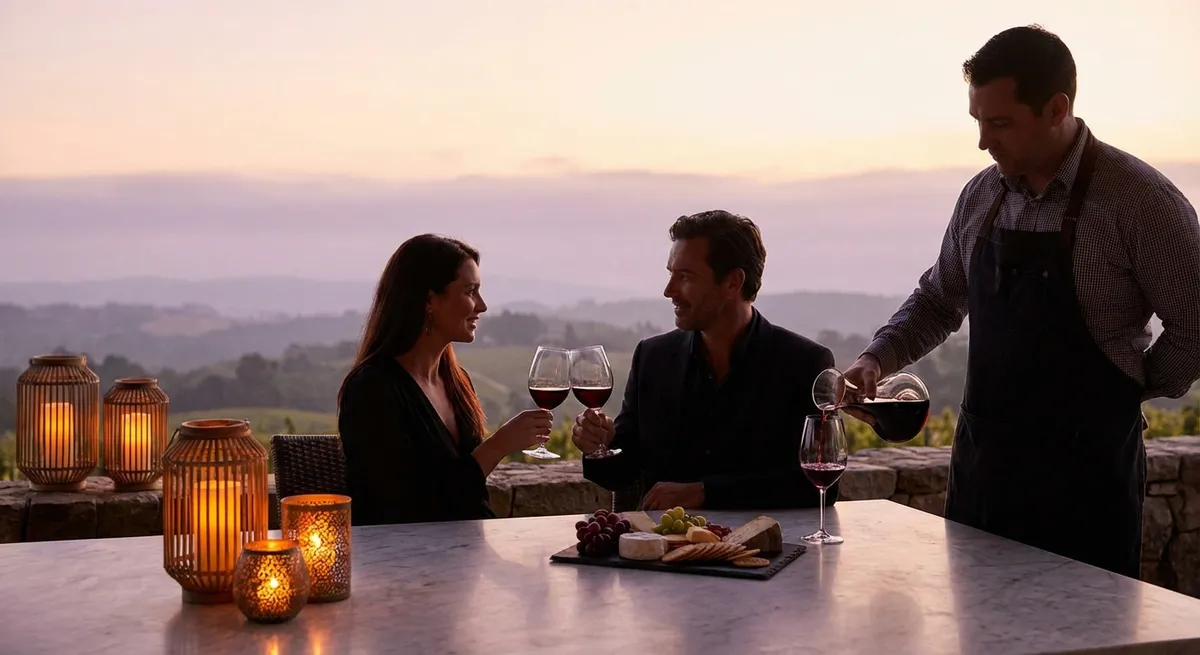
Five rapid tastings at five estates may feel efficient, but the wines blur into a single memory. A single, thoughtfully extended engagement—two to three hours devoted to one property—can be quietly transformative. Some top producers offer behind-the-scenes sessions that unfold in chapters: walking the vineyard, observing sorting or pressing if in season, tasting barrel samples, and finally sitting for a curated flight with small, precisely chosen pairings.
Ask specifically for an “estate immersion” or “vertical with technical discussion.” A vertical tasting (multiple vintages of the same wine) at the chateau itself, with a winemaker or estate director present, can unlock entire decades of landscape and weather in one progression of glasses. This is where nuanced details emerge: why a cooler vintage saw extended hang time, how a change in coopers altered the texture of the mid-palate, or why a block was converted to organic farming at a specific moment in time.
The luxury lies less in opulence and more in access—to the people who make the decisions and the time to ask the questions that rarely fit into a standard tour.
5. Treat the Region as a Cellar of Culture, Not Just Wine
In the most memorable wine journeys, the bottle is never the only object of focus; it becomes a lens on everything surrounding it.
In Piedmont, a day among Nebbiolo vineyards feels incomplete without an evening devoted to truffle-rich cuisine and conversations about the region’s truffle hunters and aging traditions. In the Douro, port tastings are magnified when you have first floated past terraced vineyards by boat, tracing the route historically used to transport barrels downstream. In New Zealand’s Central Otago, tasting Pinot Noir after hiking the schist-laced hillsides gives the wines a tactile familiarity; the textures in the glass mirror the mineral crunch underfoot.
Seek experiences that deepen the context: visits to cooperages where barrels are crafted, walks with vineyard managers discussing biodiversity corridors and cover crops, or time in local markets observing which foods the community actually cooks with the wines you’re tasting. These interludes refine your palate in ways that formal technique alone cannot. Over years, you’ll find that you no longer remember regions solely by their signature grape, but by the texture of the light, the architecture of the hills, and the cadence of meals shared nearby.
Conclusion
A truly elevated wine tour is not defined by how many prestigious labels you encounter, but by the clarity with which each experience connects place, people, and glass. When you move on the vineyard’s schedule, taste for structure, follow the quiet routes used by the trade, devote yourself to one estate at a time, and immerse in the culture that frames each bottle, wine travel becomes something more enduring than a holiday.
It becomes, in the best sense, an education—for your senses, your curiosity, and your appreciation of craftsmanship at its most considered. The next time you plan a journey with Wine Tour Adventures, think less about where you will go, and more about what, precisely, you hope to understand. The itineraries worthy of your cellar—and your memory—begin there.
Sources
- Wine Institute – Winegrowing & Winemaking - Overview of viticulture and winemaking practices that underpin many estate tour experiences
- UC Davis Department of Viticulture & Enology - Educational resources on grape growing, terroir, and wine production, supporting the article’s focus on structure and site
- Bordeaux Wine Council (CIVB) - Detailed explanation of terroir, soils, and regional differences relevant to curated regional routes
- Comité Champagne – The Wine - Insight into seasonal work in the vineyard and cellar, illustrating why timing a visit to production cycles matters
- UNESCO – Vineyard Landscapes - Information on culturally significant vineyard regions, reinforcing the link between wine, landscape, and local heritage
Key Takeaway
The most important thing to remember from this article is that this information can change how you think about Wine Tours.